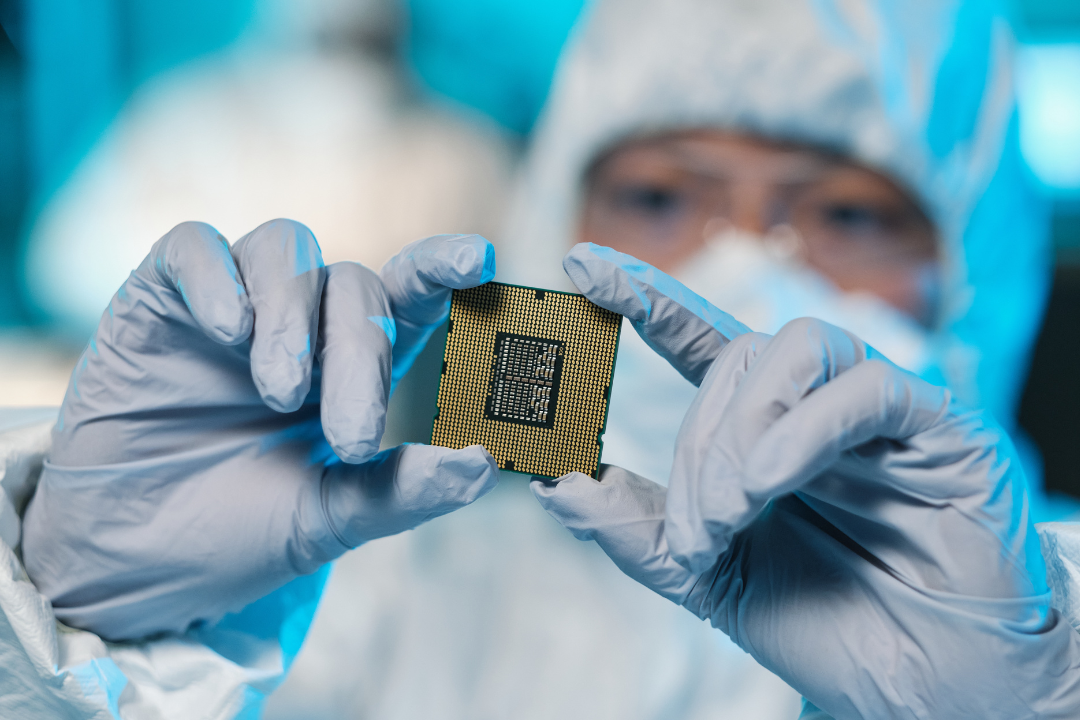
The DTI 2030 Semiconductor Roadmap aims for 128,000 upskilled workers, three national labs, and a bold shift from assembly to chip design.
A $110 billion export goal for semiconductors and electronics is now in focus, a scale that could reframe how the Philippines earns, hires, and competes in the global tech supply chain.
At that level, growth goes beyond headline numbers, opening the door to higher-value jobs, stronger wages, and a clearer path for Filipino engineers and technicians to build careers at home instead of looking abroad.
The Department of Trade and Industry laid out this direction through its Philippine Semiconductor and Electronics Industry roadmap, which aims to move the country beyond assembly and packaging into chip design and eventually manufacturing. A parallel five-year plan targets 128,000 newly trained and upskilled workers to support that shift.
A more capable local ecosystem starts to come into view, with deeper supplier networks, faster production cycles, and greater leverage in securing global contracts.
Moving up the global value chain
The sector already accounts for nearly three-fifths of exports and employs about three million Filipinos, which means any gains or delays will ripple across jobs, costs, and overall economic momentum, putting pressure on how quickly plans turn into actual output.
The roadmap also signals a change in how the country positions itself in the global value chain, where the competition is no longer just about cost advantages but about technical depth and speed of innovation. Moving into chip design and advanced manufacturing requires not only infrastructure but also consistent investment in research, testing facilities, and specialized training that can keep pace with rapidly evolving semiconductor technologies.
Officials and industry stakeholders are framing the push as a long-term transition rather than a short-term expansion, with implementation seen as the real test. The challenge now lies in aligning policy, education, and private sector capacity so that targets do not remain aspirational but translate into measurable output, sustained investment, and stable employment opportunities over the next decade.
The DTI’s 2030 roadmap targets $110B in chip exports and 128,000 new roles, moving the Philippines beyond assembly into high-value IC design and wafer fabrication.
READ: