A closer look at how user authorization rules, regulations, and legal remedies affect reversal requests.
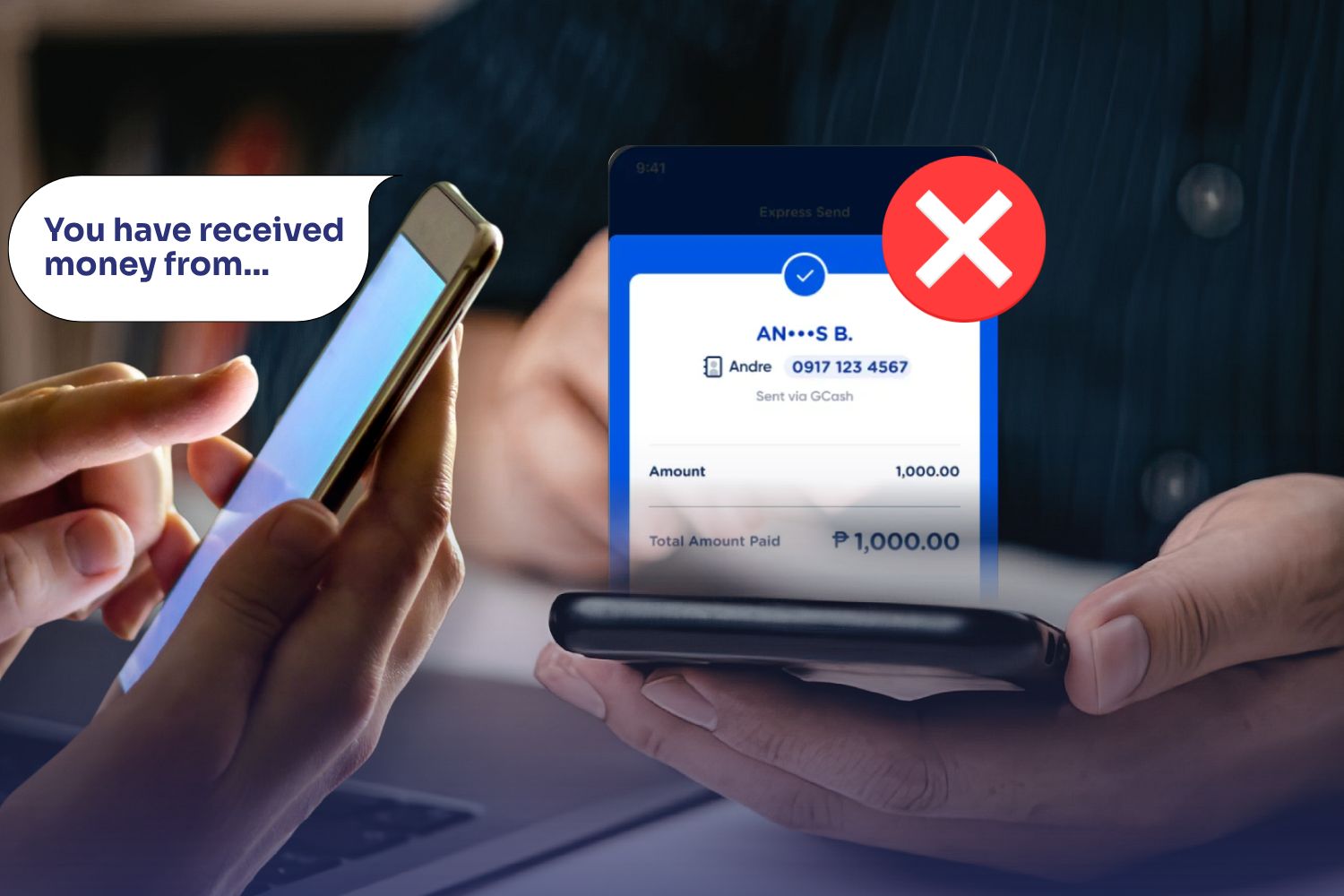
A recent ‘wrong send’ discussion that circulated widely online struck a nerve, especially after posts questioned why digital payments cannot simply be reversed with a quick report saying the money was sent to the wrong number.
The frustration is understandable. Digital transfers feel immediate, so the expectation is that mistakes should be just as easy to undo. In practice, it is not that simple.
The doctrine of finality
Once a transaction is completed through platforms like GCash, it is treated as final and user-authorized. Before any transfer is completed, users are prompted to review and confirm key details such as the recipient and amount. After confirmation, the system proceeds on the assumption that the instruction was intentional.
Fair treatment vs. instant fixes
This is where most of the friction begins. “Wrong send” cases do not trigger automatic reversals. Instead, they move through a structured review and dispute process guided by standards set by the Bangko Sentral ng Pilipinas. These safeguards are in place to ensure that both sender and recipient are treated fairly, which requires verification, coordination, and time before any resolution can be made.
The legal safety net: Solutio Indebiti
There is also a legal framework that supports recovery. Under Solutio Indebiti, money received by mistake must be returned to its rightful owner. In practice, however, recovery depends on cooperation between parties or escalation through formal complaint channels. E-wallet providers can assist by providing transaction records and facilitating communication, but they cannot directly retrieve funds once a transfer has been completed.
What the system prioritizes is not immediacy, but due process. That trade-off is intentional, designed to prevent misuse while maintaining consistency in how disputes are handled, even when the issue begins with something as simple as a mis-tap.
Mis-tapped a number on GCash or Maya? Discover why the ‘immediacy’ of digital payments doesn’t apply to mistakes and the legal hurdles involved in recovering your funds.
READ: