The vibrant Lantana camara is far more than a phonetic misunderstanding—it is a resilient pioneer species that has colored the Philippine countryside for generations.
In many Filipino backyards and roadside thickets, the kantutay quietly blooms—unbothered, resilient, and often overlooked. Its clusters of tiny flowers shift from yellow to orange, then to pink or red, as if telling a story in color. But for a plant so visually charming, it carries a name that tends to raise eyebrows—and lately, confusion.
To set the record straight: the kantutay is not the same as the viral “kantutan plant.”
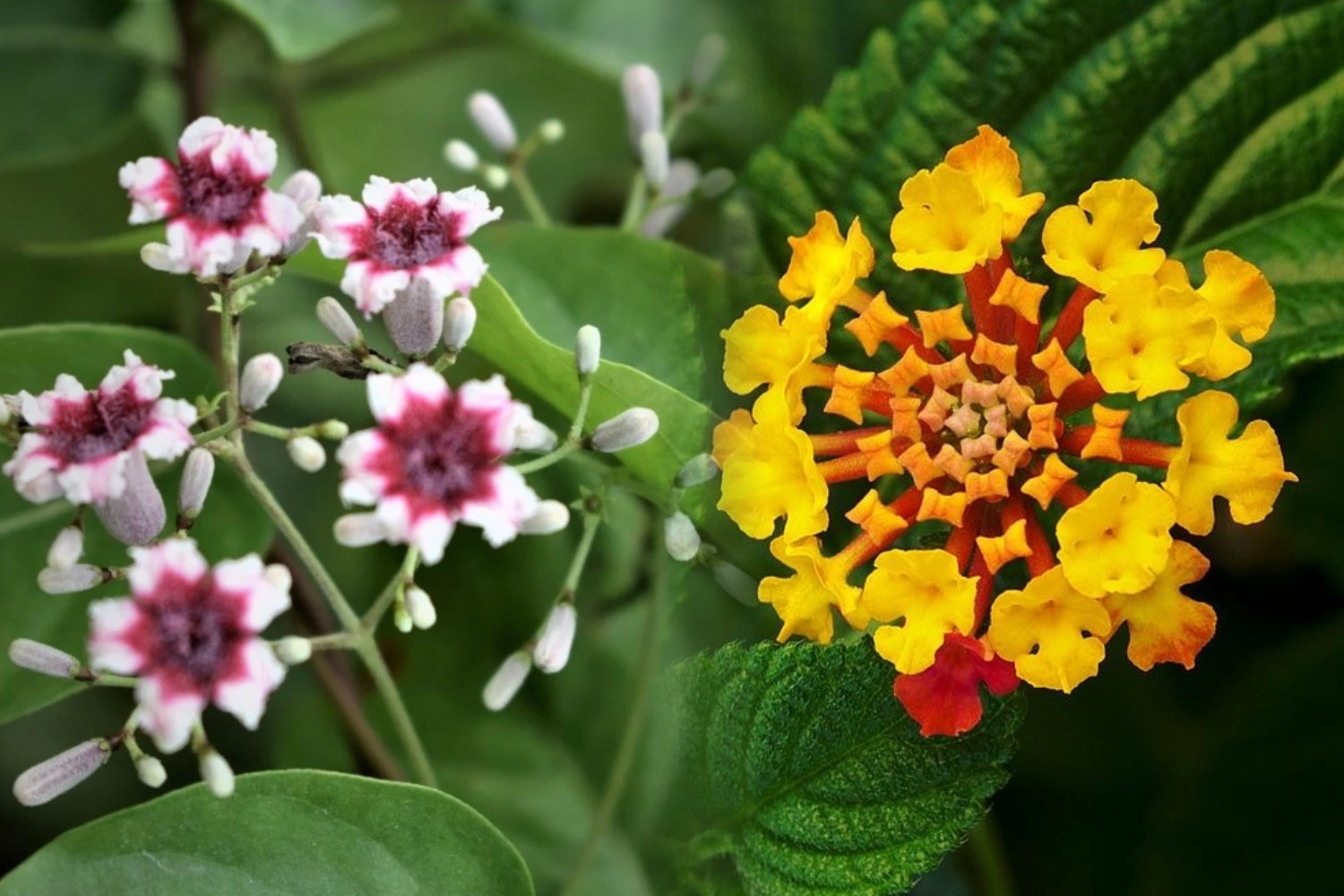
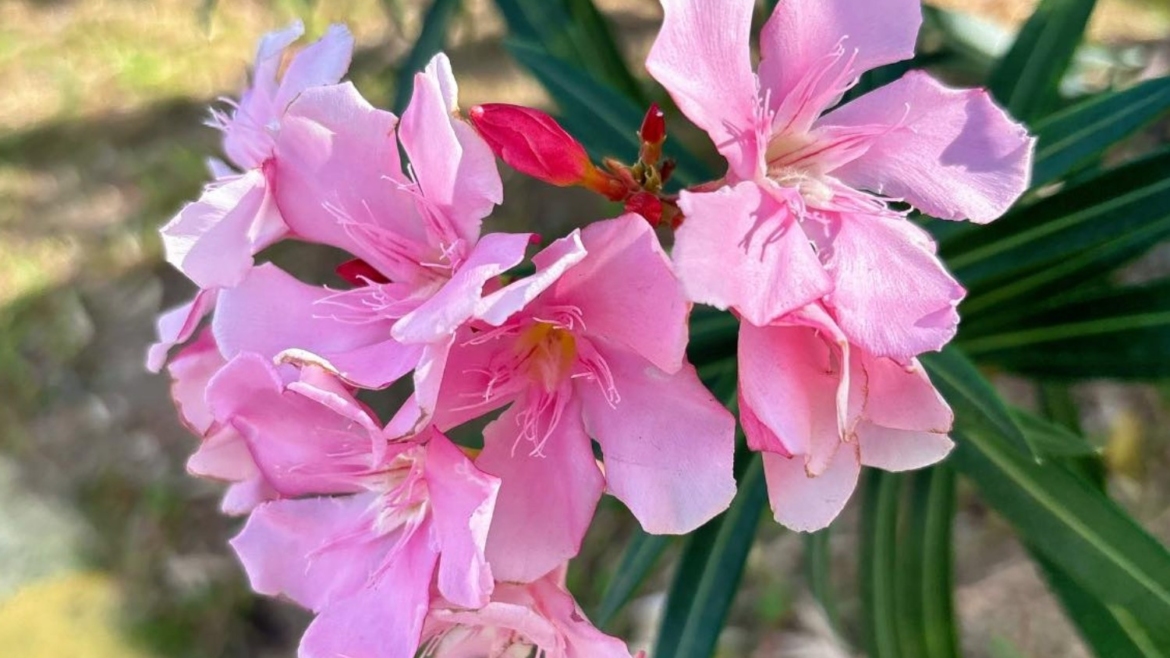
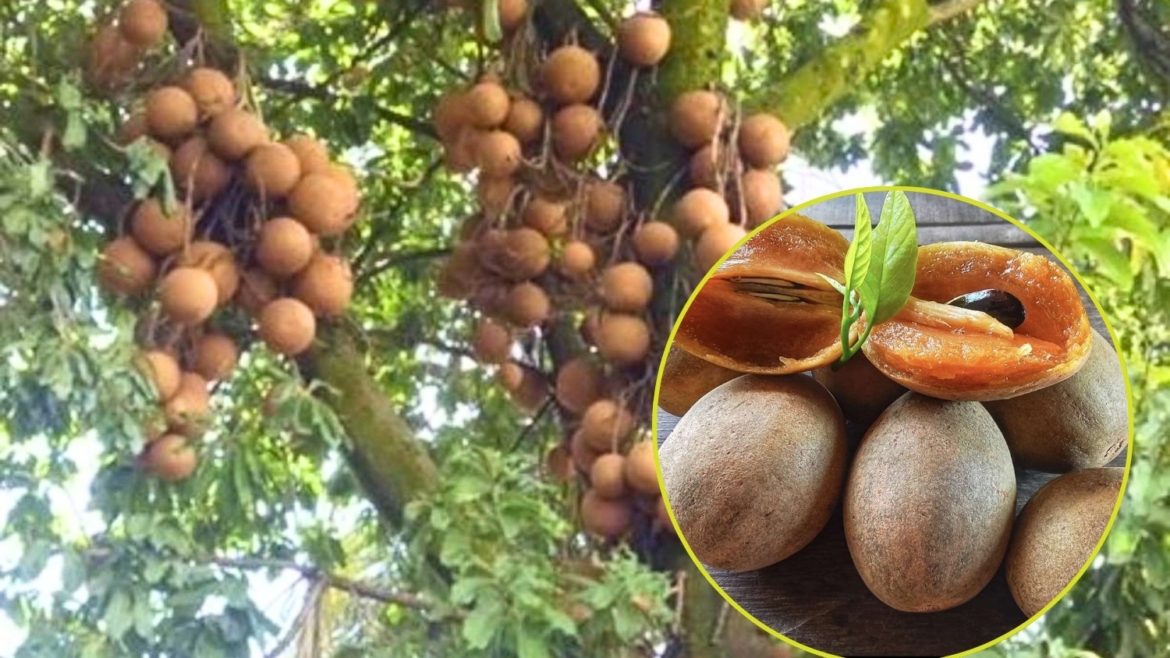
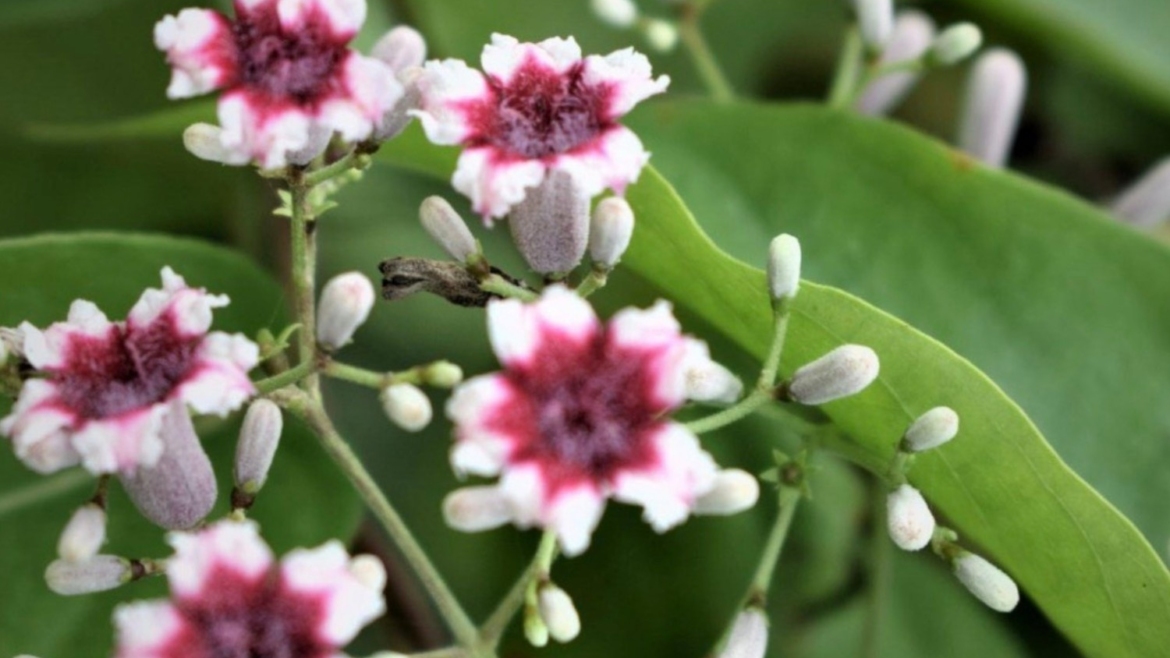
The kantutay is the local name for Lantana camara, a hardy flowering shrub long naturalized in the Philippines. It has existed in the local landscape for generations, known as much for its distinct smell as for its vibrant blooms. The so-called “kantutan plant,” meanwhile, is a social media curiosity—a completely different plant species that gained attention largely because of its provocative nickname. The similarity ends with the wordplay.
The colorful architecture of a survivor
What makes kantutay remarkable is its toughness. It grows almost anywhere—along roadsides, in abandoned lots, even in poor soil where other plants would fail. Reaching about one to two meters tall, it can spread quickly, forming dense shrubs that seem to thrive on neglect.
Its flowers are its most striking feature. Each cluster is a mix of colors that change as the flowers mature, creating a natural gradient that attracts butterflies and pollinators. Beneath that beauty, however, is a rough, textured leaf that releases a sharp, pungent scent when crushed—earning it names like baho-baho in the Visayas.
The hidden risks of a wild beauty
Despite its ornamental appeal, kantutay is not entirely harmless. Its unripe green berries and leaves are toxic when ingested, posing risks to both humans and animals. This dual nature—beautiful yet potentially dangerous—has made it a plant that commands both admiration and caution.
In some rural communities, however, it has found a place in traditional practices. Extracts from the plant have been used in folk remedies for cough, fever, and skin conditions. It is also valued as a natural insect repellent or hedge, thanks to its dense growth.
If there is one reason kantutay is both respected and resented, it is its ability to spread aggressively. It is considered an invasive species in many parts of the world, including the Philippines, because it can outcompete native vegetation and dominate ecosystems.
And yet, its persistence is also what makes it familiar. For many Filipinos, kantutay is part of childhood memory—those wild shrubs along dusty roads, the curious act of crushing its leaves just to smell its unmistakable scent, or the bright flowers picked absentmindedly during walks home.
In the age of viral content, names can take on a life of their own. The rise of the “kantutan plant” online has led some to mistakenly associate it with kantutay. But beyond the similar-sounding names, they are entirely different plants with different origins, characteristics, and cultural contexts.