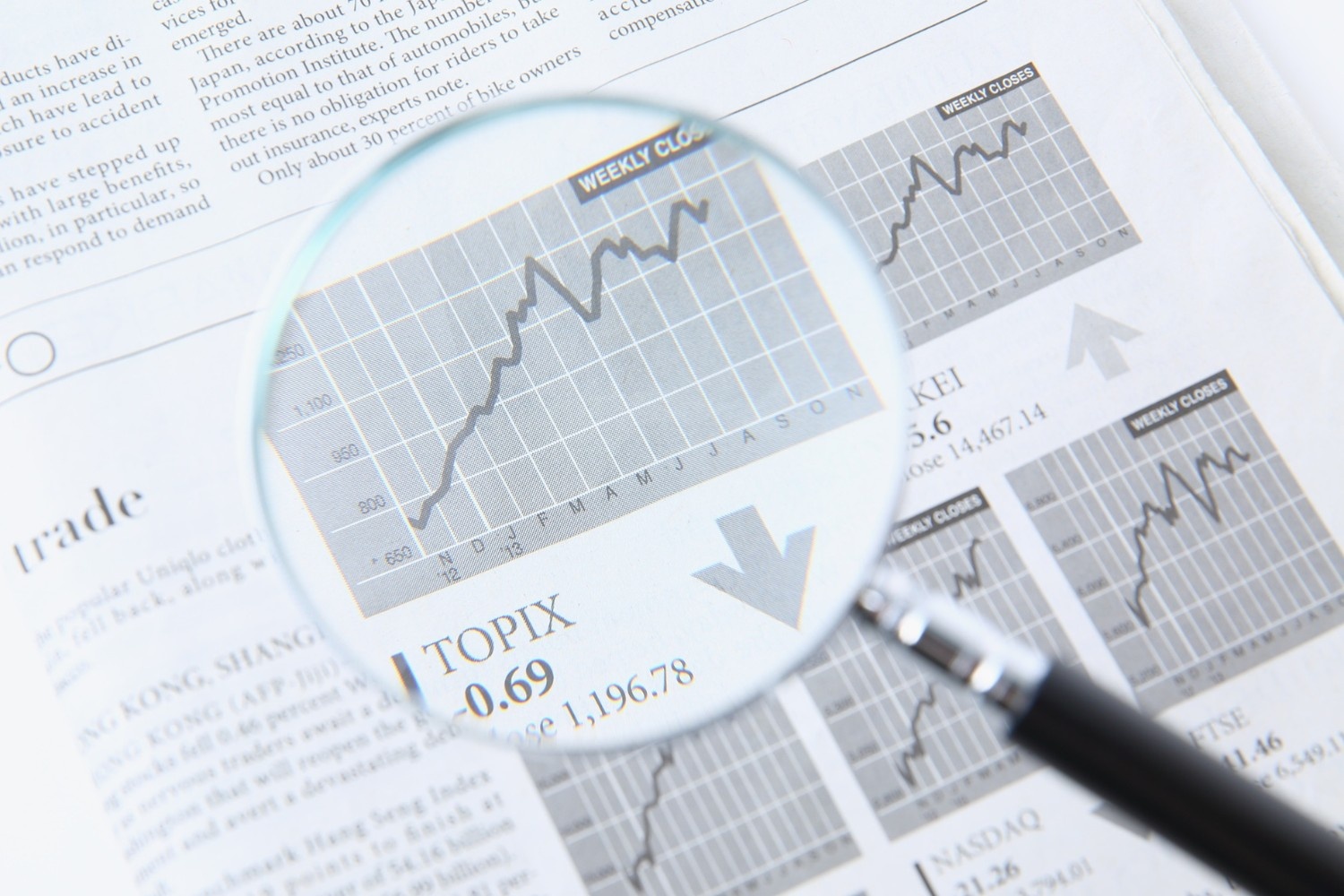
Transforming market perception into a disciplined investment strategy.
(This is Part 1 of an ongoing series on how to pick stocks.)
Most investors start with a screener. They hunt for low P/E ratios, high dividend yields, or deep discounts to book value. These numbers matter, but they are rarely the whole truth.
In a market like ours, “cheap” can be a gift. It can also be a trap. A stock trading at a discount might be a bargain, or it might be a business the market has rightly given up on. Valuation is not the finish line. It is the starting block.
Build a thesis, not just a portfolio
The real work starts with a thesis. This is the story you believe is unfolding, backed by observable facts. It answers one simple question: why should this company be worth more in three years than it is today?
A proper investment narrative is not fantasy. It is a bridge between perception and reality. Here are two examples:
The market’s view: “This telco is slow and mature. There is not much upside.”
Your thesis: “People still pay their phone and internet bills every month, and if spending on new infrastructure slows down, more cash can flow back to shareholders.”
The market’s view: “This grocery chain is boring. It is not a hot growth stock.”
Your thesis: “People still need to buy food, the stores are always busy, and steady cash flow can matter more than excitement.”
That gap between what the market dismisses and what the business continues to produce is where opportunity often begins. If you cannot articulate the story, the numbers will not save you when the market gets volatile.
Thinking like an owner
When you invest in a story rather than a ticker symbol, your perspective shifts. You stop being only a price watcher and start thinking like a business owner.
The ticker watcher reacts to the daily noise of the board. The business owner monitors the health of the company.
A clear thesis gives you the conviction to hold during a dip and the clarity to sell if the story actually breaks. It turns patience from a chore into a strategy. That distinction matters because patience is not stubbornness. Patience means waiting while the thesis remains intact. Stubbornness means staying even after the facts have changed.
Look around you
The best stories are not always hidden in complex global macro trends. They are often right in front of us: the bank where you queue, the telco you pay every month, the grocery you keep returning to, or the developer behind the mall where you spend your weekends.
This is your circle of competence. Investing does not have to begin as a mystery. It can start with a simple question: what businesses do I already understand better than most?
That does not mean buying every company you like. It means using familiarity as the first filter, then testing the story with facts, numbers, and valuation.
Start with the story
A stock is not just a P/E ratio, a dividend yield, or a book value discount. It is a business with customers, assets, risks, management decisions, and a future the market may or may not be pricing correctly.
Start with the story. Verify with the numbers. Then, if the thesis holds, invest and let time do the heavy lifting.
This article is for informational purposes only and should not be taken as financial advice. Investors should do their own research or consult a licensed financial adviser before making investment decisions.