The rich cultural evolution of a beloved Philippine summer tradition.
You can always tell when Flores de Mayo season has arrived.
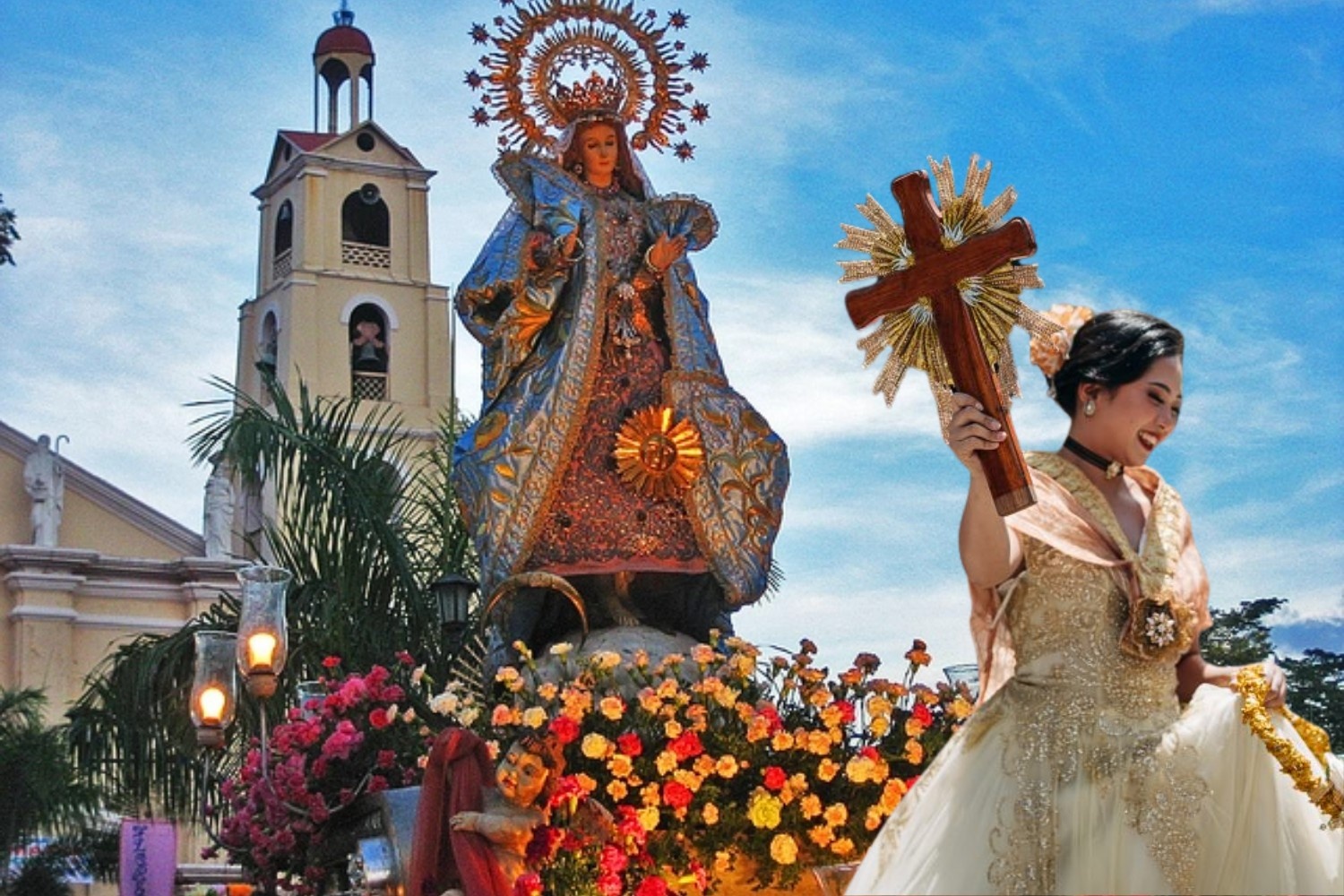
The air smells faintly of sampaguita and candle wax. Little girls in white dresses nervously clutch flower baskets inside humid chapels while mothers fix veils and flower crowns. Outside, boys run around the churchyard as loud electric fans struggle against the summer heat. By late afternoon, entire barangays gather outside waiting for the Santacruzan procession to begin.
For many Filipinos, Flores de Mayo feels less like a religious tradition and more like a core childhood memory.
Weeks before the procession, parents already begin preparing outfits for their children. Some save money just to buy new shoes, flower crowns, tiny barongs, or rented gowns for daughters chosen as sagalas or angels. In many towns, participating in Flores de Mayo feels like a rite of passage. Children excitedly anticipate their roles while families proudly watch from the sidelines as if witnessing a major milestone.
The Spanish seeds
But before it became the colorful Santacruzan processions we know today, Flores de Mayo actually began as a Catholic devotion introduced by the Spanish in the 1800s.
The practice grew after Pope Pius IX declared the Dogma of the Immaculate Conception in 1854, sparking stronger devotion to the Virgin Mary worldwide. In the Philippines, Augustinian friar Fray Raymundo Lozano Mejía helped establish the tradition through the publication of “Diario de María” in Iloilo in 1855. Later, priest Mariano Sevilla popularized it further through the Tagalog devotional booklet “Flores de María,” encouraging children to offer flowers to Mary throughout May.
But Filipinos did not simply copy the tradition.
We transformed it.
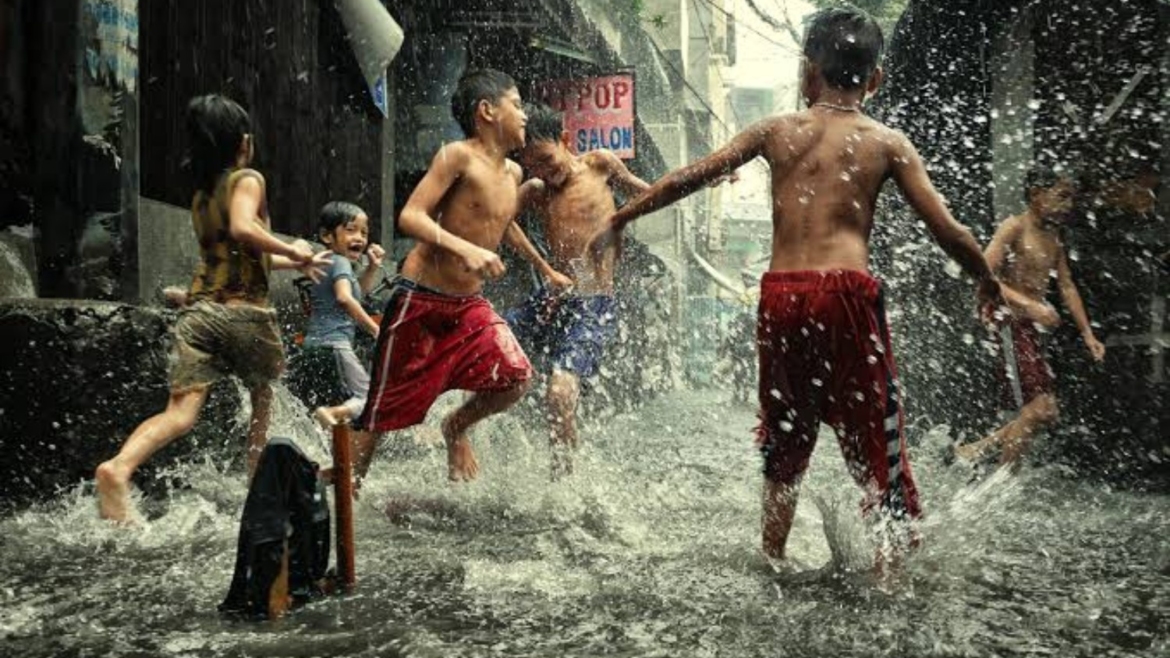
Because May in the Philippines was also the season when flowers bloomed again and the first rains arrived after months of brutal heat. Farmers connected the devotion to thanksgiving and renewal, while communities slowly turned it into a social and cultural celebration.
Eventually, the daily flower offerings merged with the Santacruzan procession inspired by Mexico’s “Santa Cruz de Mayo.” And that became the distinctly Filipino twist.
What began as quiet prayer evolved into an entire town spectacle complete with queens, elaborate Filipiniana gowns, flower-covered arches, marching bands, and processions that felt almost theatrical.
That is the beauty of Flores de Mayo.
We took a foreign religious devotion and filled it with Filipino warmth, pageantry, family pride, and celebration until it became unmistakably ours.
Discover the brief history of Flores de Mayo, from its 1854 origins to the theatrical Santacruzan.
READ: