First-generation idol groups endured ridicule and rejection as they quietly built the foundation of today’s booming P-Pop industry.
Picture a packed mall in the early 2010s.
A Filipino idol group is onstage performing synchronized choreography. A cluster of screaming fans gathers in front of the stage. Some wave banners. Others sing every word.
But not everyone is cheering.
At the back of the crowd, some spectators raise their eyebrows. A few laugh. Others dismiss the performers as “K-Pop wannabes.”
Online, the criticism is even harsher.
On social media and internet forums, many music fans—particularly K-Pop purists and rock enthusiasts—ridicule the groups for copying foreign trends. Their clothes, hairstyles, choreography, and even their dreams of becoming Filipino idols become punchlines.
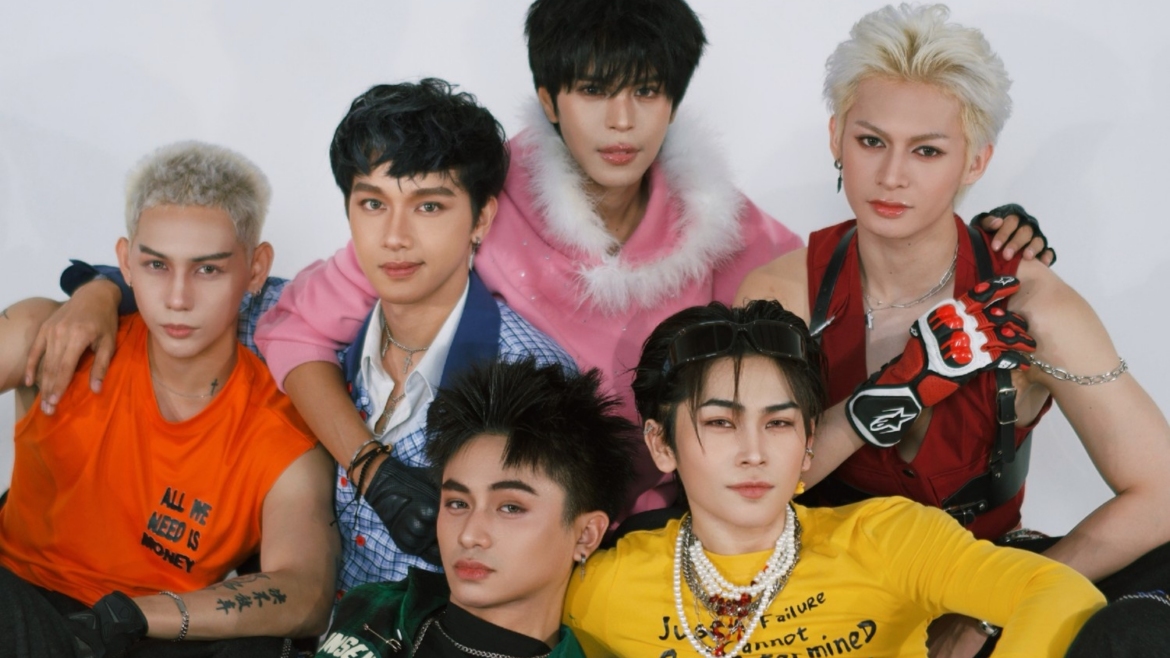
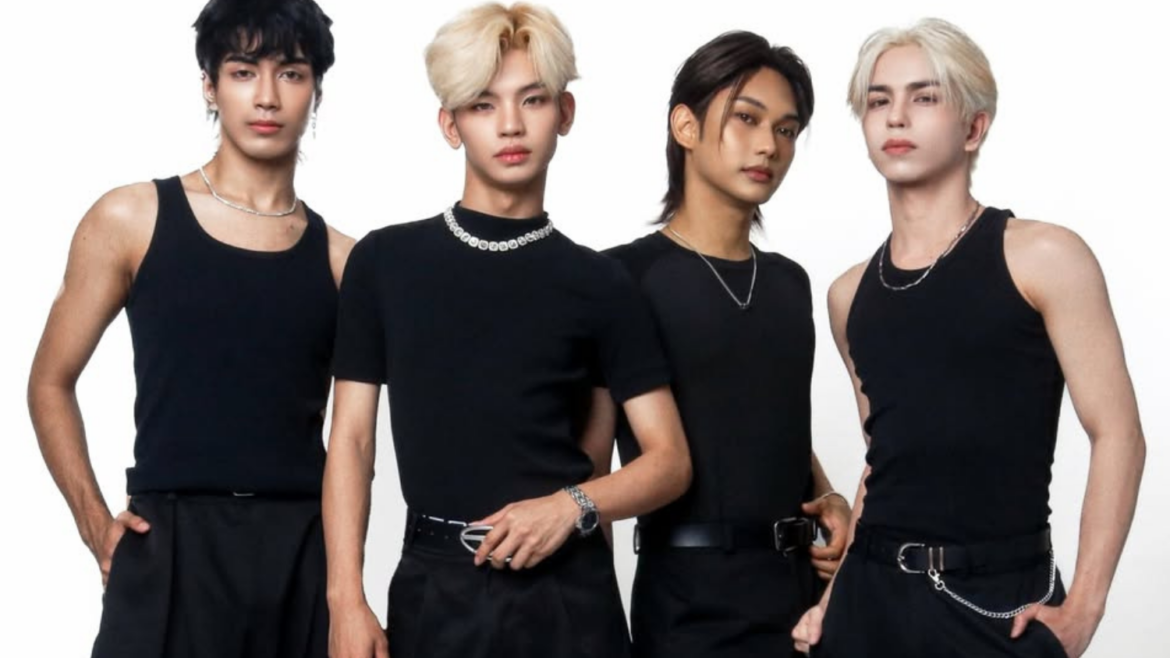
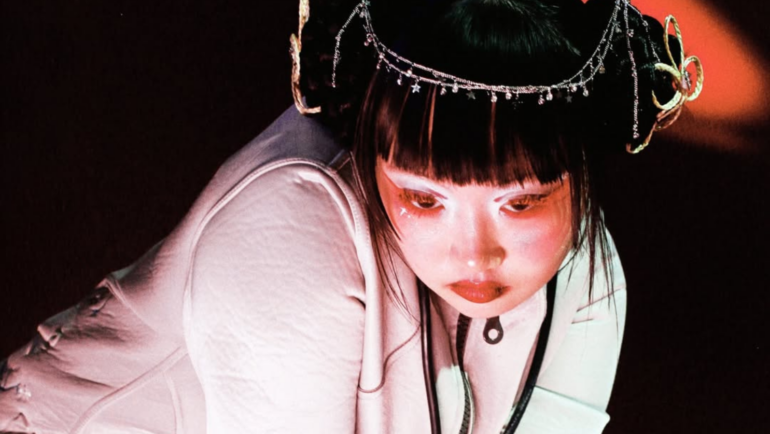
Today, as P-Pop enjoys unprecedented success through groups like SB19, BINI, ALAMAT, G22, and KAIA, it is easy to forget the artists who took the first wave of criticism so others could eventually thrive.
These were the first-generation P-Pop pioneers.
1:43: The group that delivered a monster hit

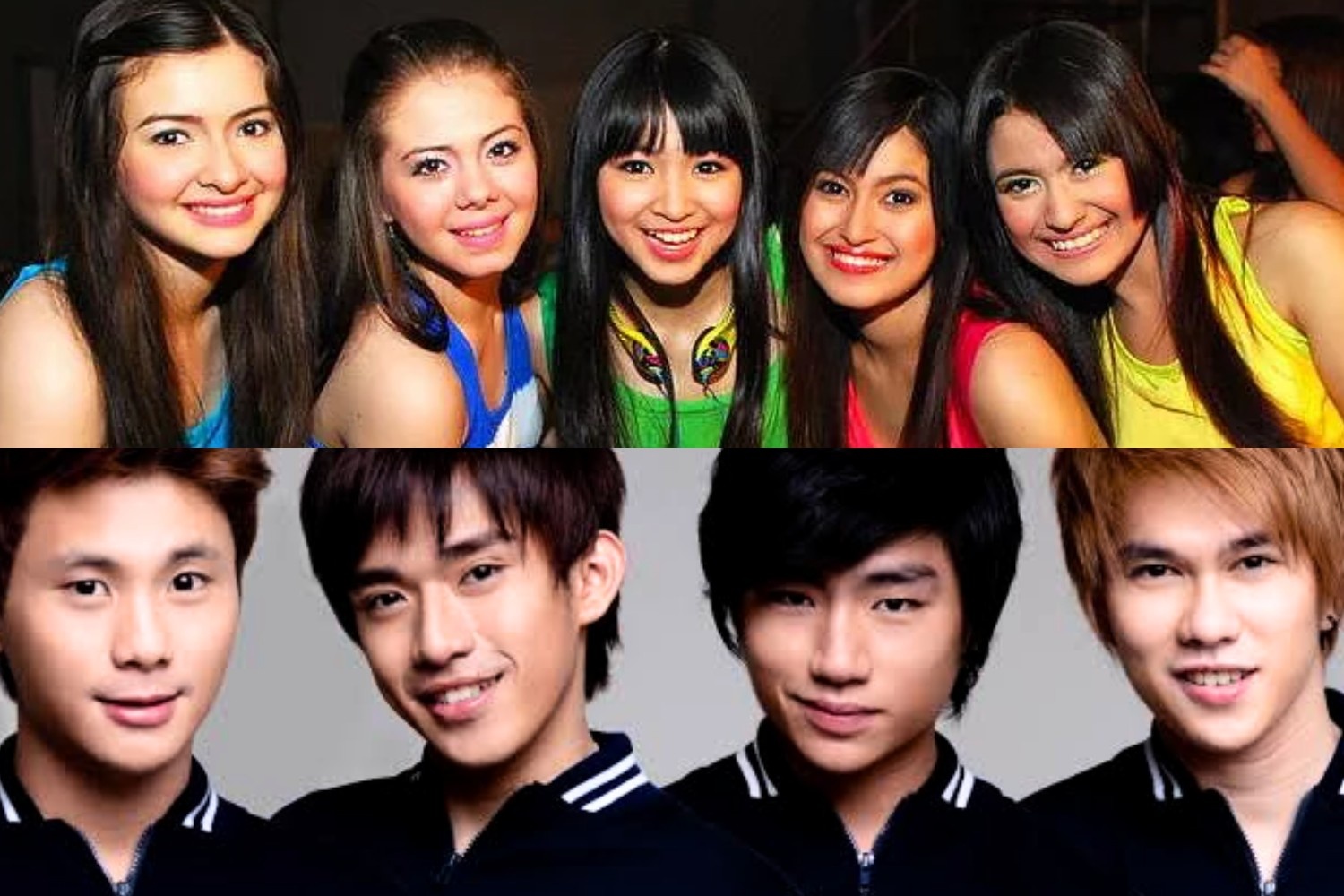
Formed in 2010 by publicist Chris Cahilig, 1:43 became one of the first Filipino idol groups to break through to the mainstream.
Unlike many groups of the era that focused heavily on dance-pop, 1:43 embraced a more distinctly Filipino sound rooted in romance, harana, and heartfelt ballads.
Its classic lineup featured Anjo Resurreccion, Gold Aquino, Yuki Sakamoto, and Kim Nicolas (who was later replaced by Yheen Valero).
The group’s biggest breakthrough came through “Sa Isang Sulyap Mo,” a song that became a nationwide hit and won Song of the Year at the 2013 Star Awards for Music. The track was later featured in ABS-CBN’s hit fantasy series “PBB Teen Edition” and “Juan dela Cruz”.
The group followed it up with songs such as “Hayop Sa Ganda,” “Ikaw At Ako,” and “Ang Saya-Saya,” helping prove that a Filipino boy band could generate a genuine mainstream hit.
More importantly, 1:43 demonstrated that P-Pop could be localized rather than simply imitating foreign trends.
XLR8: The original idol experiment

If there was a group that fully embraced the idol formula, it was XLR8.
Launched by Viva Records in 2010, the eight-member act featured Arkin del Rosario, Carlo Lazerna, twins MJ and MM Magno, Kiko Ramos, Caleb Santos, AJ Muhlach, and Hideaki Torio.
With synchronized choreography, colorful styling, and energetic performances, XLR8 became one of the earliest Filipino groups to mirror the K-Pop system.
Their debut single “You’re So Hot” became their signature anthem, while songs such as “I Love You Girl” and “I’ll Be There” helped build a dedicated fanbase.
The group’s self-titled debut album earned a Gold Award and made them regular fixtures on GMA-7’s ‘Party Pilipinas.’
While they were among the most heavily criticized for being “too Korean,” XLR8 helped normalize the idea of idol groups in Philippine entertainment.
Down to Mars: The futuristic boy band
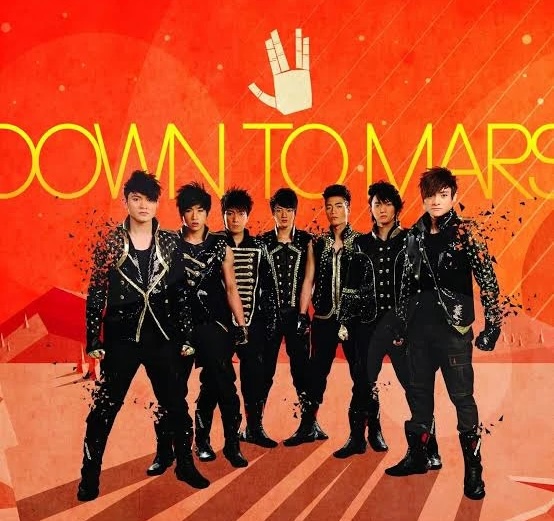
PolyEast Records entered the P-Pop race in 2012 with Down To Mars.
Featuring Kenji Chua, Jang Amparna, Sky Young, Kiro Rivera, Daisuke Hagihara, Jeongwon Song, and Yheen Valero, the group stood out because of its futuristic image and multicultural lineup.
Their songs “My Everything,” “Oh Oh We Are,” and “Fly” combined electronic pop production with polished choreography.
Like XLR8, they became regular performers on ‘Party Pilipinas,’ exposing mainstream audiences to the growing P-Pop movement.
The group also represented the Philippines in Japan, where they performed a series of shows while helping raise funds for victims of Typhoon Yolanda.
Though their run was relatively short, Down To Mars showed that Filipino groups could aspire to international stages.
Pop Girls : The first P-pop girl group wave

Before BINI became a household name, there was Pop Girls.
Created by Viva Entertainment in 2009, the group introduced a synchronized, polished girl-group concept years before P-Pop became mainstream.
The original lineup featured future superstar Nadine Lustre, Shy Carlos, Rose Van Ginkel, and twin sisters Lailah and Mariam Bustria.
Their songs “Crazy Crazy,” “Sabi Ko Na Nga,” and “True Love” showcased catchy bubblegum pop designed specifically for young Filipino audiences.
Although the group experienced multiple lineup changes, its biggest legacy may be serving as the launching pad for Nadine Lustre, who would later become one of the country’s biggest stars.
Pop Girls also proved that female idol groups could have a place in the local music industry.
They took the hits so others could shine
The first generation of P-Pop did not enjoy sold-out arenas, billion-view music videos, or global chart success.
Instead, they faced ridicule, skepticism, and constant comparisons to foreign acts.
Yet they persisted.
They performed in malls, schools, festivals, and television programs while introducing Filipino audiences to concepts that now define modern P-Pop: idol training, synchronized performances, fandom culture, and highly organized groups.
Without them, there might never have been a path for today’s P-Pop stars.
SB19, BINI, ALAMAT, G22, KAIA, and many others may be leading the movement today, but the road was first paved by artists willing to endure criticism when believing in Filipino idol music was far from popular.
The first generation may not have received the flowers they deserved at the time. But looking back, they were the ones who planted the seeds.