In platforms like X and TikTok, the growing sentiment among the youth remains loud and unapologetic.
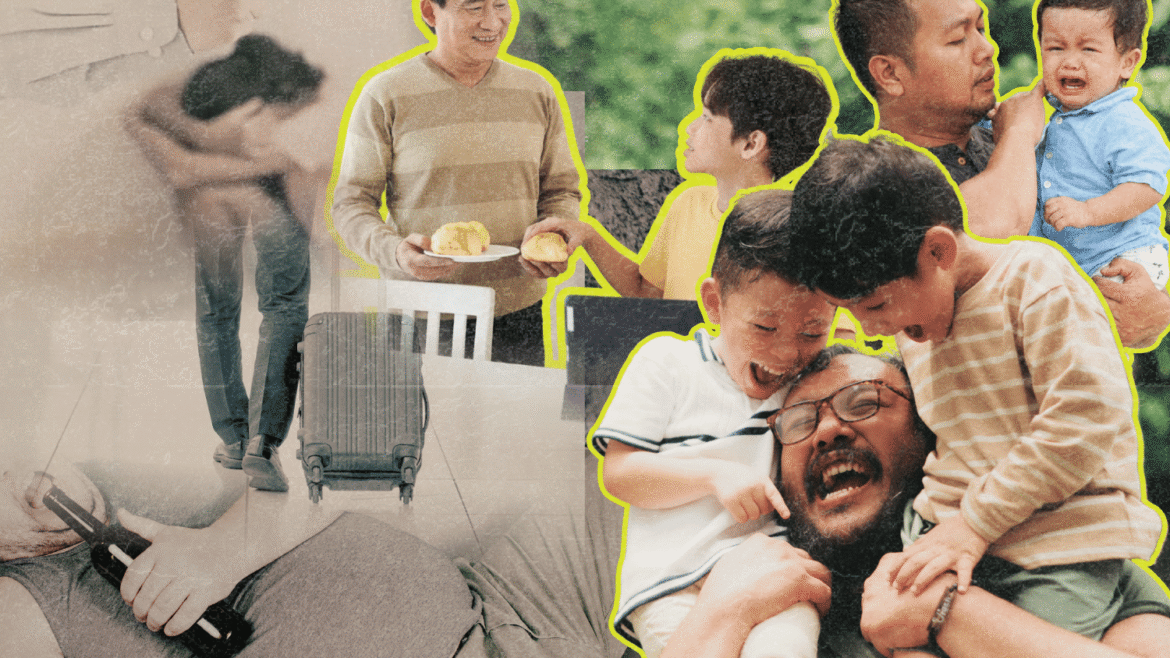
A growing number of Filipinos are choosing to have fewer children—and increasingly, none at all.
A recent YouTube video by Asian Boss reignited conversations about the Philippines’ falling birth rate.
Instead of worry, the response from young Filipinos—particularly Gen Z—was immediate and blunt: “ayoko mag-anak.”
What reads as a demographic concern on paper is being reframed online through humor, resignation, and refusal.
The Philippines’ fertility rate—or the average number of children born to a woman—has now dropped to 1.7. To sustain population growth, a replacement level of 2.1 is needed.
On the ground, however, the reaction is less about panic and more about pause. For many young Filipinos, the question is no longer when to start a family, but whether it is worth starting at all.
Across X and TikTok, the sentiment is loud and unapologetic. “Mas aware na nga kami ngayon huwag nang mag-anak kung hindi kayang buhayin,” one user wrote, pointing to financial pressure as a major factor.
Others turn to humor to express the same reality: “In this economy, the only child I’ll be raising is my inner child,” and “Raising myself is already taking the whole budget.”
For some, reluctance extends beyond cost. Structural concerns also shape the decision. “Who tf wants to get married in a system where you literally can’t legally escape a toxic or abusive marriage?” one commenter noted, pointing to the absence of divorce in the Philippines.
In everyday life, the shift is also visible. As one user observed, “If you walk around Philippine malls, it’s Millennials and Gen Zs with their pets in strollers.” Care and companionship remain—but are increasingly redirected into more manageable forms.
The idea of being NBSB (No Boyfriend Since Birth), once stigmatized, is now framed by some young Filipinas as a choice tied to independence and higher standards rather than lack or delay.
The resurgence of the DINK (Dual Income, No Kids) lifestyle reflects this same recalibration. Once niche, it is now more openly discussed as a preference for stability, flexibility, and peace of mind.
What emerges is a generation that is more self-aware and deliberate—one weighing long-term consequences over social expectations.
The disconnect, then, is not apathy but intention. While the country confronts a looming population concern, many young Filipinos are choosing practicality over pressure—and peace over precedent.
Clarisse Dane Phillippe Tarroja Rubite is a dedicated Communication Arts student at De La Salle University Manila, where she is honing her skills in storytelling and media production. Currently, she serves as a researcher and writer for Archers Network, the university's official television network, where she uses her academic insights with practical experience.