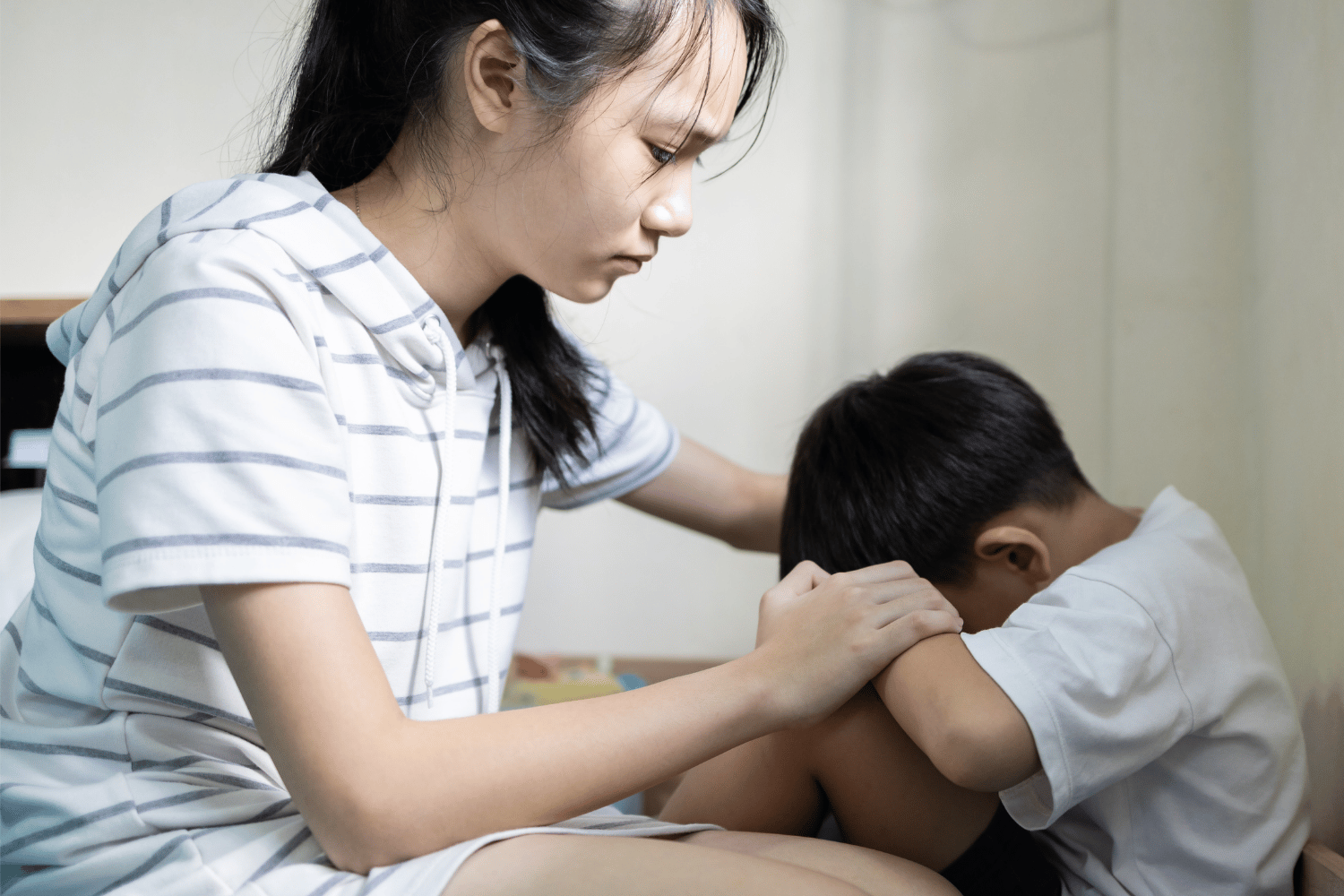
A trauma-informed approach is essential for supporting affected communities and preventing future school violence.
The country’s largest organization of psychologists has called for a trauma-informed and evidence-based response to the recent school shooting in Tacloban City, stressing that healing victims and preventing future violence require far more than assigning blame.
In a public statement released on July 6, the Psychological Association of the Philippines (PAP) expressed sympathy to the families of those killed and injured, while urging the public, schools, media, and policymakers to avoid speculation as investigations continue.
“Schools must remain places where children and adolescents can learn, develop, build relationships, and flourish in safe and supportive environments,” the organization said.
The PAP emphasized that children and communities affected by violence need immediate psychosocial support, noting that exposure to school violence can trigger acute stress, grief, anxiety, fear, and other trauma-related symptoms.
Among its recommendations are prioritizing physical and psychological safety, providing clear and accurate information, avoiding repeated retelling of traumatic experiences or exposure to graphic details, respecting the privacy and dignity of victims, and ensuring timely access to mental health services.
The group also appealed to media organizations and social media users to report responsibly by avoiding sensationalism and speculation, saying irresponsible reporting can worsen trauma and spread misinformation.
Beyond the immediate response, the PAP said preventing school violence requires understanding that such incidents rarely stem from a single cause.
Instead, psychological research shows that youth violence develops through a complex interaction of individual, family, school, community, cultural, and societal factors. Emotional distress, bullying, family conflict, social isolation, unsafe school environments, exposure to violence, and even online influences may all contribute to risk, while strong family relationships, supportive schools, positive peer connections, and access to mental health care serve as protective factors.
The organization cautioned against simplistic explanations that attribute violent behavior solely to video games, social media, mental illness, or any single factor.
“Most young people exposed to adversity do not commit serious acts of violence,” the statement noted, adding that protective factors and supportive relationships can significantly reduce the likelihood of violent behavior.
To prevent future tragedies, the PAP called for stronger school mental health systems, anti-bullying initiatives, emotional regulation and conflict resolution programs, early identification of students in distress, coordinated intervention by mental health professionals, and closer collaboration among schools, families, communities, government agencies, and child protection groups.
The organization also underscored the need for responsible firearm ownership and secure firearm storage in households with children and adolescents.
Ending its statement, the PAP said every Filipino child deserves to grow in environments where they feel safe, connected, respected, and supported.
“Prevention and accountability are not competing goals,” the group said, stressing that long-term solutions begin with creating communities that foster dignity, belonging, resilience, and hope for every child.
READ: