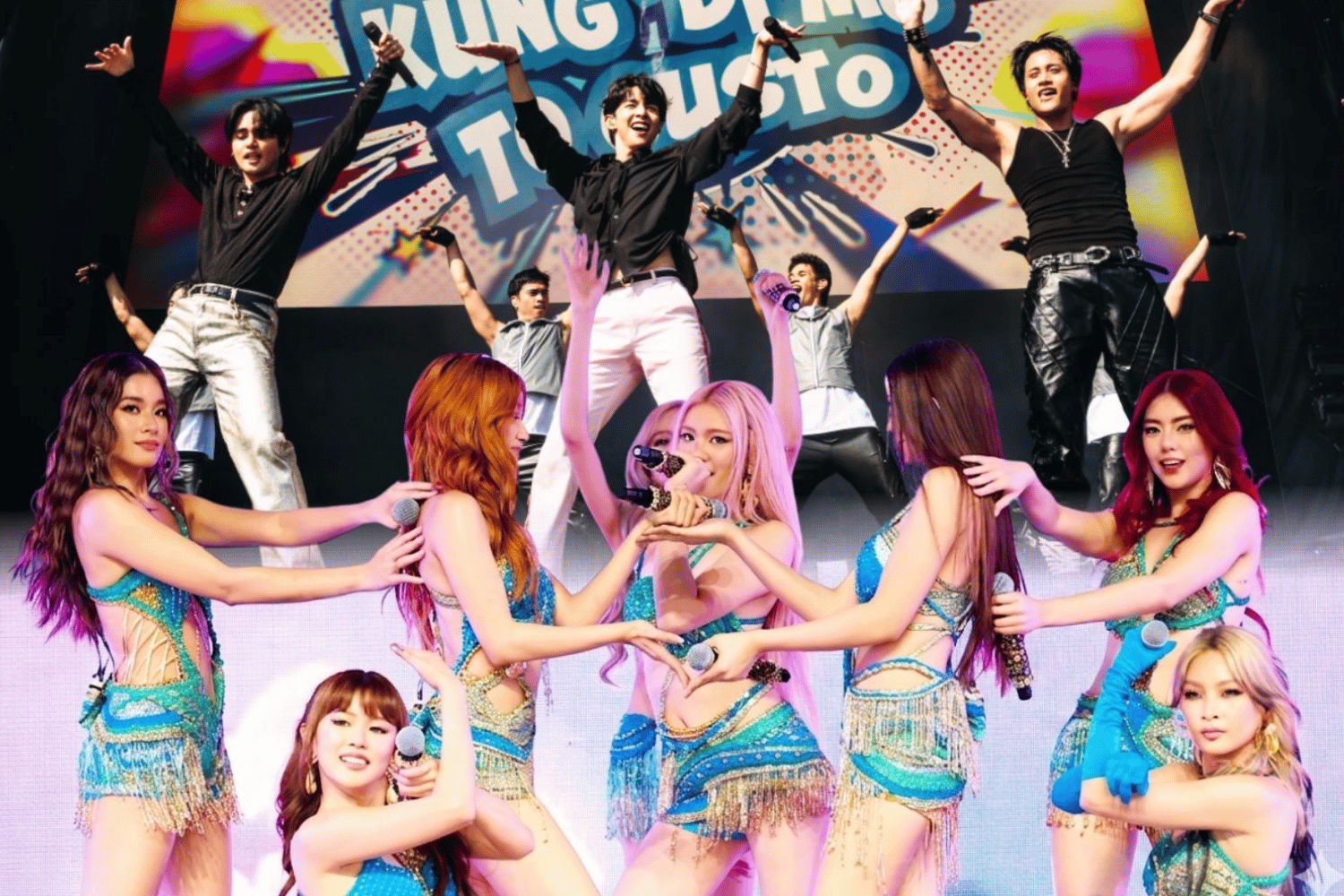
P-pop acts make history on two of the world’s biggest stages, highlighting different paths to global breakthrough.
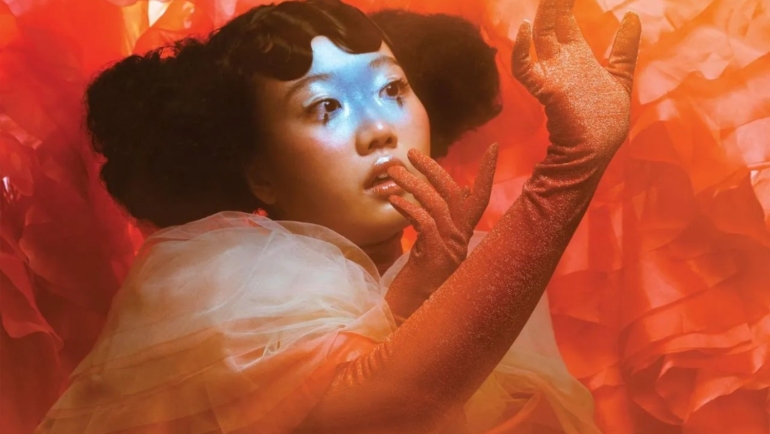
Just months after BINI made history at Coachella, SB19 has now become the first Filipino act to perform at Lollapalooza, putting P-pop on two of the world’s biggest music festival stages in the same year.
To many Filipinos, the two festivals can seem interchangeable. Both boast superstar lineups, massive crowds, and global livestreams. Both have become dream stages for artists hoping to break into the international music scene. But while they occupy the same league, Coachella and Lollapalooza were built with very different philosophies, audiences, and cultural identities.
Desert destination vs. urban playground
The biggest difference is where the festivals happen.
Coachella transforms the Empire Polo Club in Indio, California into a temporary music city in the middle of the desert. Attending it often means booking flights, hotels or campsites, shuttle buses, and enduring intense daytime heat before chilly desert nights.
Lollapalooza, meanwhile, takes over Grant Park in downtown Chicago. Concertgoers can ride public transportation to the venue, spend the day watching performances, then continue the experience through restaurants, bars, and official aftershows scattered across the city.
The settings shape the entire festival experience. One is designed as a destination getaway, while the other becomes part of everyday city life.
Who goes to each festival?
The crowds are just as different.
Coachella generally attracts an older audience, mostly in their late 20s to early 30s, with many attendees flying in from around the world. The festival welcomes about 125,000 people each day across two identical weekends, resulting in around 250,000 unique ticket holders.
Lollapalooza draws roughly 400,000 people over one four-day weekend. Because it’s located in the heart of Chicago, it attracts a younger crowd—many between 17 and 24 years old—along with thousands of visitors from across the American Midwest and beyond.
Two different ways of going global
Although both festivals have worldwide influence, they expanded in different ways.
Coachella has remained focused on a single flagship event in California. Fans from dozens of countries travel there every year, while millions more watch performances online through its livestreams, turning every major set into an instant global conversation.
Lollapalooza took another route. Instead of remaining in one city, it built an international family of festivals, with editions in Berlin, Paris, Mumbai, São Paulo, Santiago, and Buenos Aires. Rather than asking the world to come to Chicago, Lollapalooza brought its brand to the world.
Different cultural identities
Beyond music, Coachella has become synonymous with fashion, celebrity culture, art installations, and social media moments. A memorable performance there often translates into streaming spikes, brand partnerships, and internet buzz that lasts long after the festival ends.
Lollapalooza, founded in 1991 as a touring alternative rock festival, has retained its reputation as a celebration of live music across genres. It has become known for introducing emerging artists to enormous crowds while remaining deeply connected to the energy of a major city.
Neither identity is bigger than the other—they simply represent different ways a music festival can shape culture.
Why both matter for P-pop
For Filipino artists, performing at either festival is a milestone—but for different reasons.
BINI’s Coachella appearance placed the group at the center of one of pop culture’s biggest annual events, exposing them to millions of viewers following the festival online.
SB19’s Lollapalooza performance, meanwhile, showcased the group before one of North America’s largest live festival audiences and inside one of music’s longest-running festival institutions.
Recent global festival rankings reflect those different strengths. Coachella currently ranks as the world’s most attractive music festival, while Lollapalooza Chicago remains among the world’s top-tier events with one of the strongest international festival brands.
Together, the two performances tell a bigger story than simply checking off two famous festivals. They show that P-pop is finding space across different corners of the global music industry—from the trendsetting desert spectacle of Coachella to the energetic urban legacy of Lollapalooza.
For Filipino music, that’s a breakthrough worth celebrating twice.
READ:
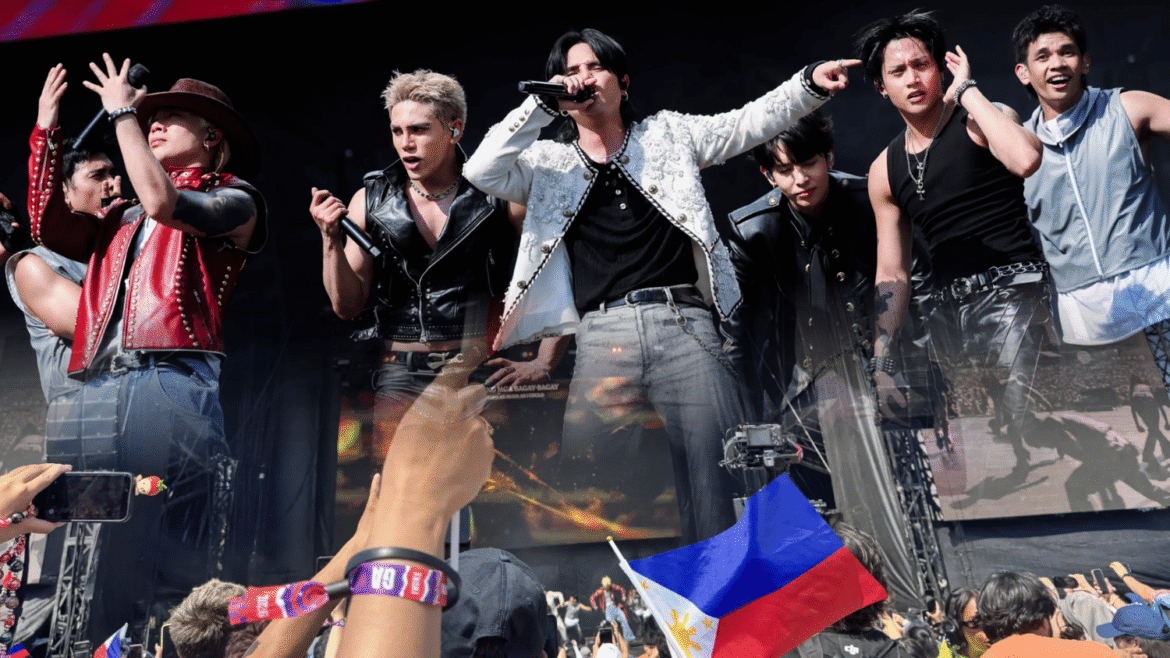
Int’l artists, content creators congratulate SB19 for Lollapalooza debut
Annah Bautista
August 3, 2026
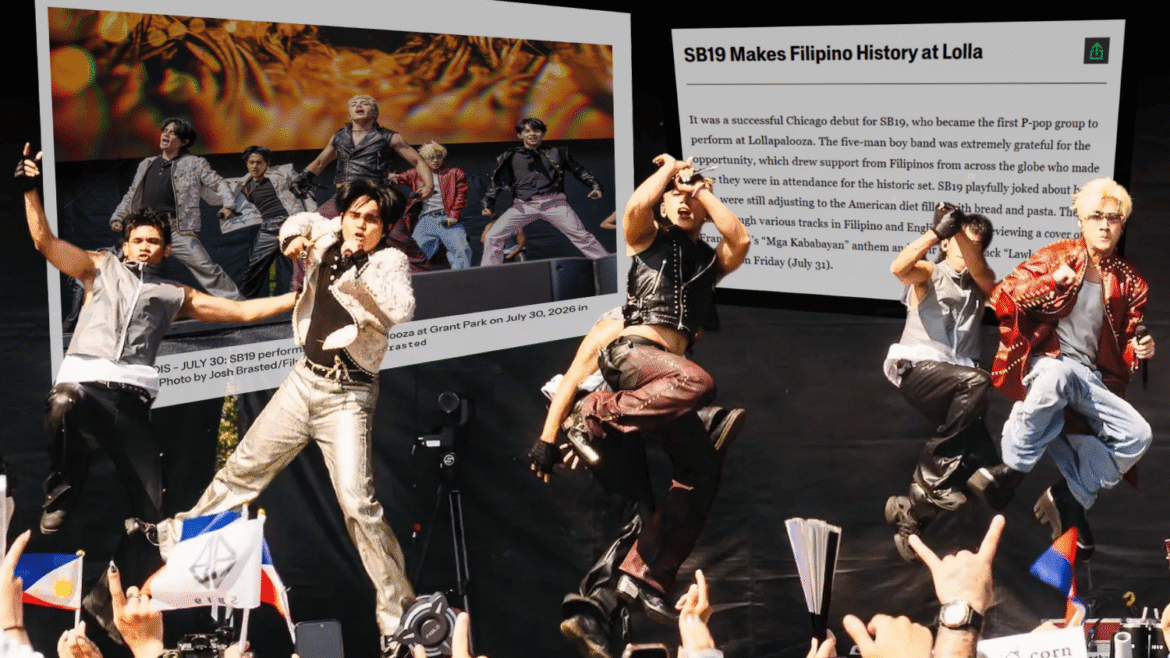
Billboard, Teen Vogue spotlight SB19 after history-making Lollapalooza debut
Denchelle Castro
August 2, 2026

BINI goes global: From Coachella first-timers to Billboard powerplayers
Marinel Cruz
April 30, 2026