What beauty standards call “imperfections” can actually create identity.
You’re scrolling through photos of celebrities and influencers when suddenly you have to look twice. Who is that again? Wasn’t that the other girl?
Different names. Different people. But somehow, they have started looking alike.
The same tiny nose. High cheekbones. Full lips. Sharp jawline. Lifted eyes.
“Pare-pareho sila ng doctor na pinagpagawaan,” someone inevitably jokes.
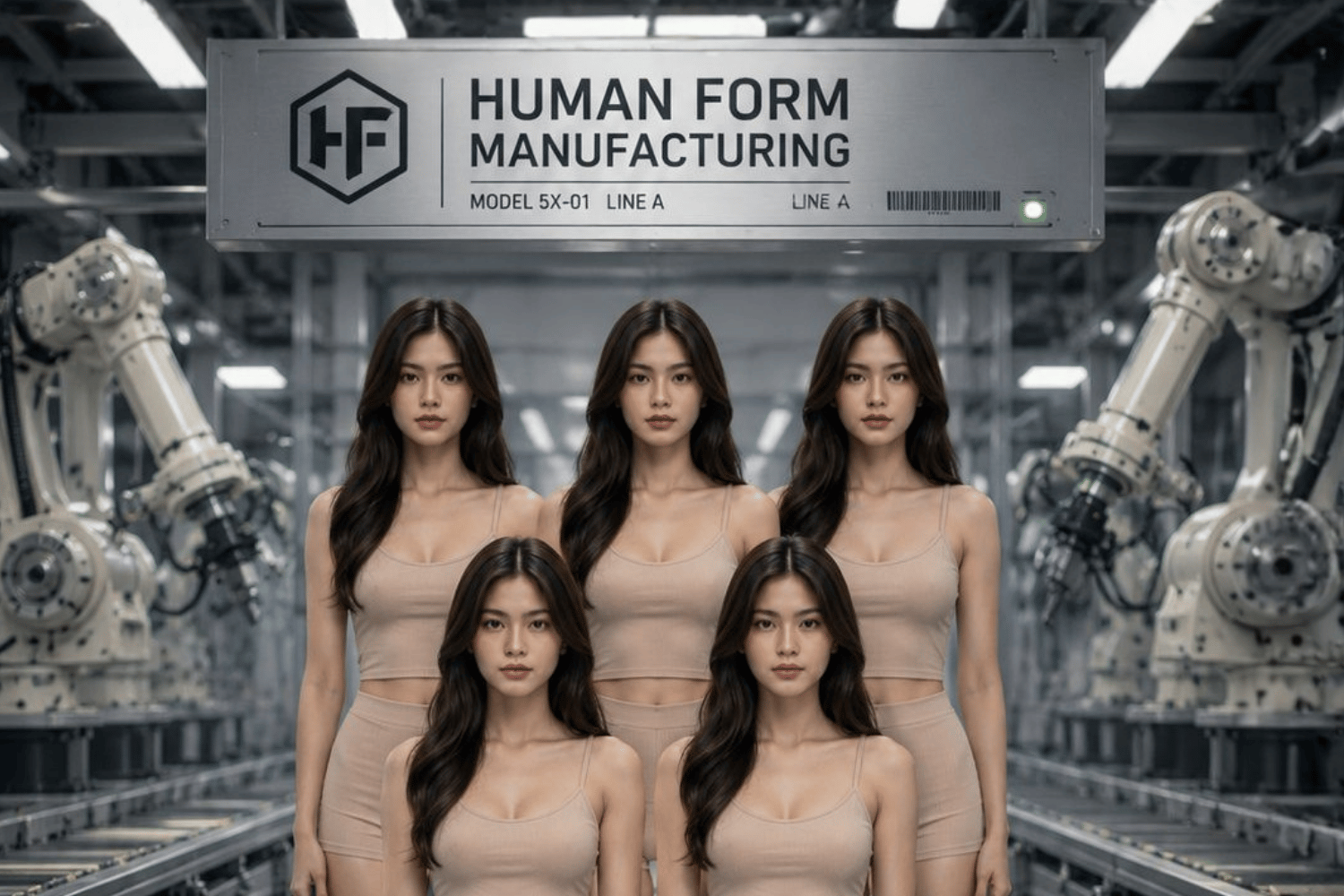
It can feel as if modern beauty has acquired an assembly line, with faces coming out of the same beauty factory.
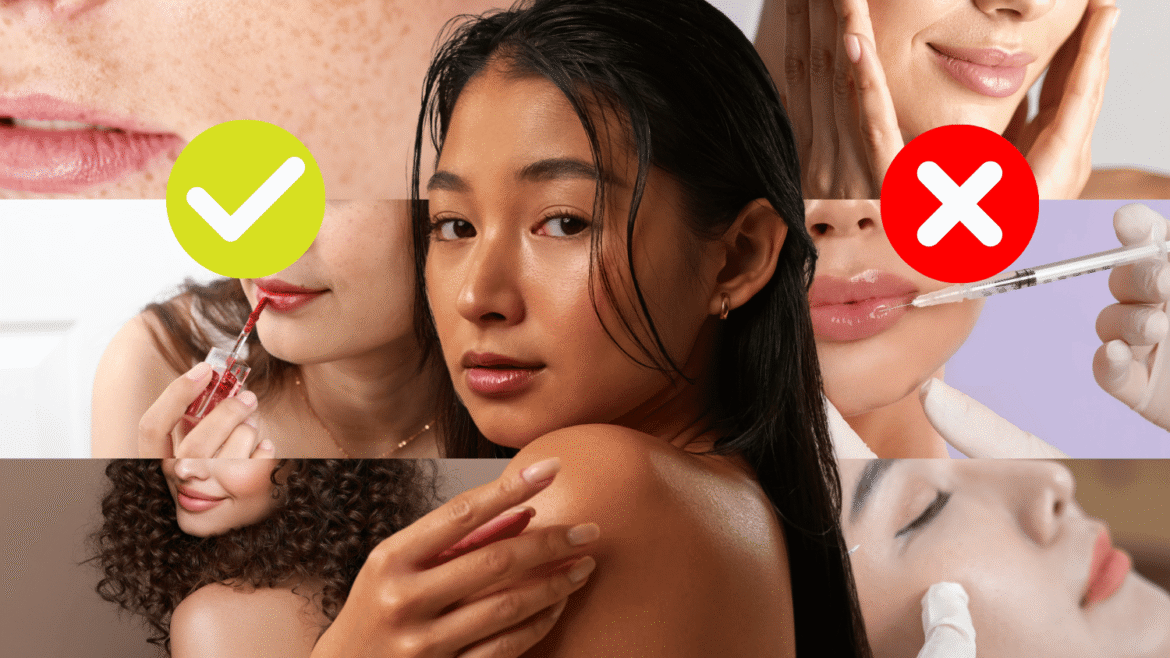
There is nothing wrong with cosmetic surgery or aesthetic treatments. People have every right to change their appearance, and procedures can help them feel more confident. But chasing the same beauty ideal can have an unintended effect: people may become conventionally more attractive while becoming less distinctive.
The ‘Instagram face’
Social media has popularized a recognizable beauty template sometimes called the “Instagram Face”: sculpted cheekbones, lifted eyes, a narrow nose, defined jaw and full lips.
No individual feature is the problem. Similarity emerges when many people request the same combination.
A broad nose gets narrowed. A square jaw becomes V-shaped. Thin lips become fuller. Hooded eyes are lifted. Round cheeks become sculpted.
Eventually, some of the features that made a face instantly recognizable disappear.
When ‘flaws’ create character
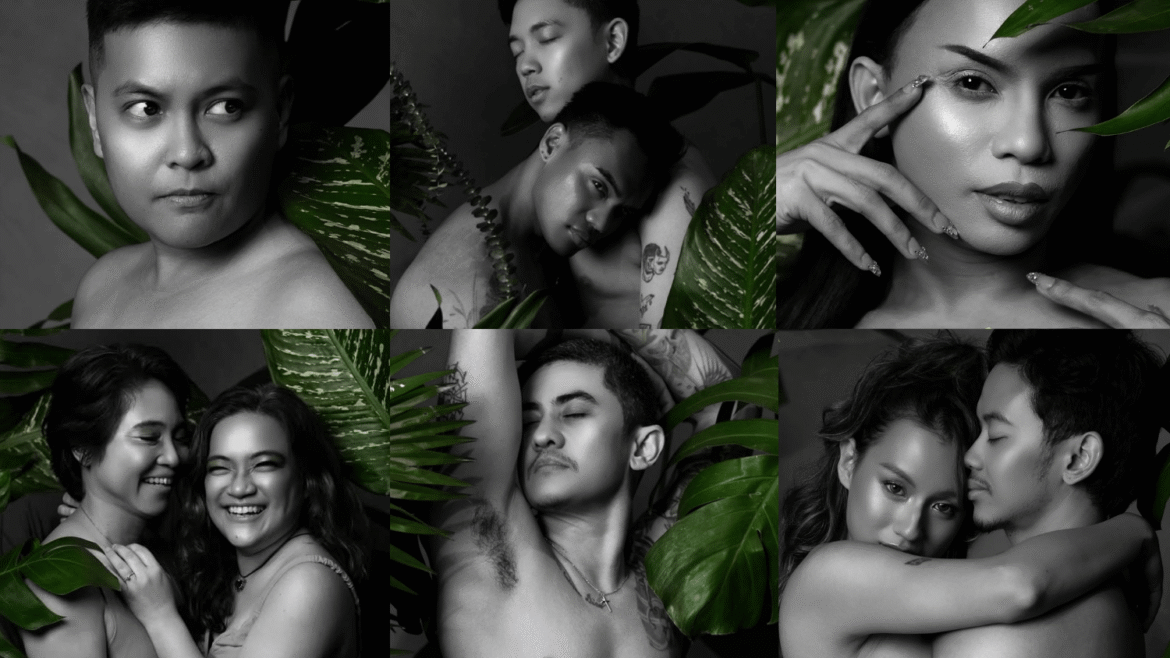
Human faces aren’t supposed to follow one blueprint. Genetics and ethnicity give us different noses, eyes, cheekbones, jaws and proportions.
And what beauty standards call “imperfections” can actually create identity.
Think of recognizable faces: a prominent nose, wide-set eyes, round cheeks, heavy eyelids, a square jaw or an uneven smile may be exactly what makes someone memorable.
Remove enough of these distinctions and the face can become smoother and more conventionally beautiful—but also more generic.
The filter became the blueprint
Filters intensify the effect. They narrow noses, enlarge eyes, sharpen jaws and plump lips instantly. After repeatedly seeing these altered faces, the filtered version can begin to look “normal.”
None of this means people should avoid cosmetic enhancements. The point is simply to be conscious of what may be lost while pursuing perfection.
Beauty trends change. Your distinctive features are yours.
Cosmetic enhancement can make you feel more beautiful without erasing what makes you recognizable.
Sometimes, the feature you want “fixed” is exactly what makes your face uniquely yours.
READ: