“But the number of productions is only one aspect of what might properly be called a ‘renaissance,’” Pichay wrote.
He also challenged claims that Philippine theater has become elitist because of expensive tickets, asking whether there is actual demographic and economic data on theatergoers.
“Do we actually know the economic status of the people who are buying the high-priced tickets? Are they all nepo babies?” he asked. “Can some of them not be call-center agents who saved up on those tickets?”
For Pichay, the same demand for evidence should apply to debates about whether theater companies should prioritize public service over profit.
The playwright acknowledged that expensive tickets can limit access to the arts but questioned whether individual companies should carry the entire burden of democratizing theater while also paying for venues, materials, equipment and living wages for artists and technicians.
If wider access to theater is a public objective, Pichay said government cultural agencies such as the National Commission for Culture and the Arts should also be scrutinized over their role in making the arts accessible.
“These are questions that require evidence, not mere passion or ideology,” he wrote.
Pichay summed up his argument with a pointed line: “Assertions need both passion and a resibo.”
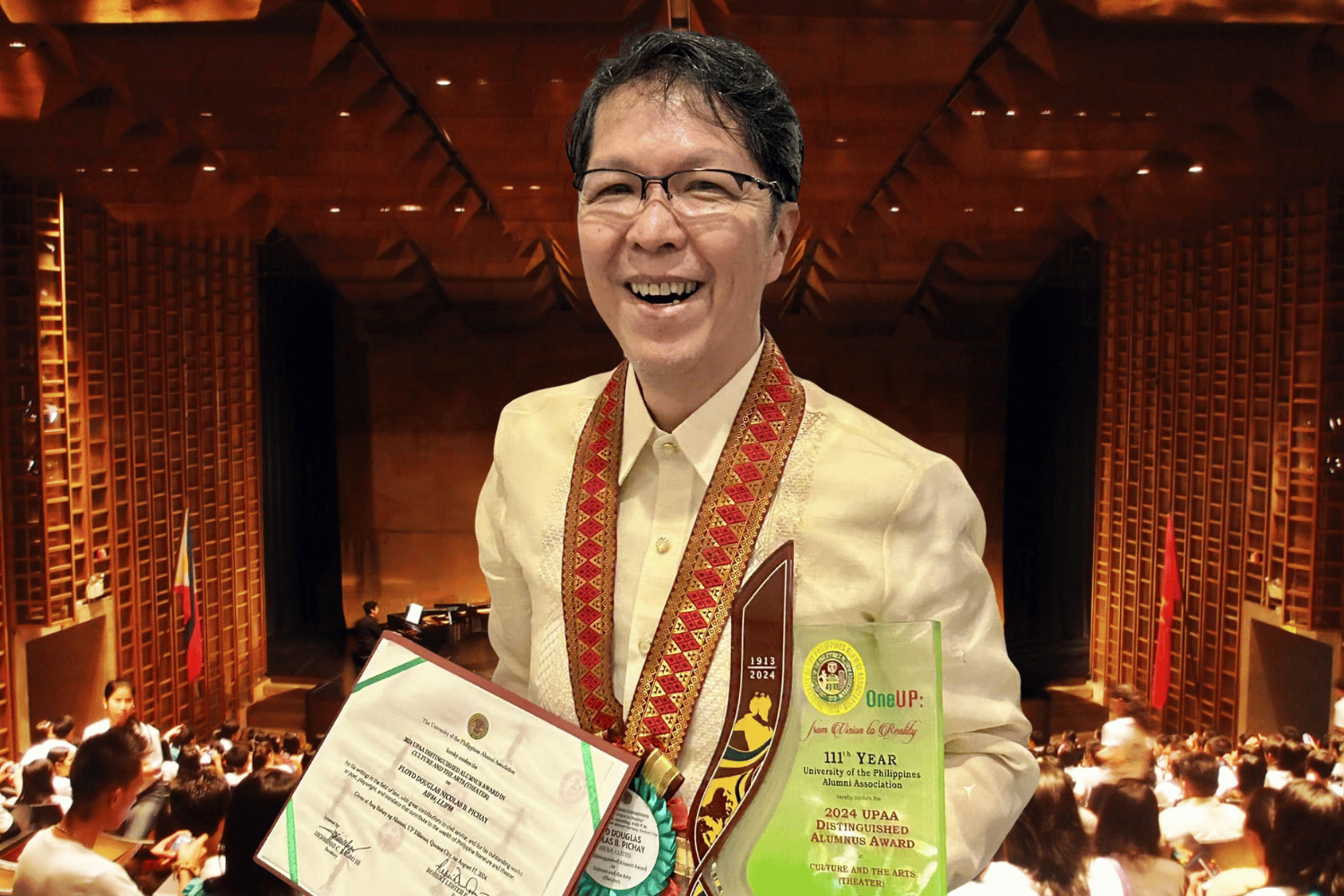
Pichay is a prominent Filipino playwright, poet, lawyer and civil servant who entered the Carlos Palanca Memorial Awards Hall of Fame in 2007 and received the S.E.A. Write Award in 2023. His works include “Almanac for a Revolution,” “Isang Araw sa Karnabal” and “The Angina Monologues,” and he wrote the book and lyrics for “Maxie The Musicale.”
While Pichay said everyone wants Philippine theater to flourish—with more productions, broader audiences, better wages and more affordable venues—he maintained that declaring a renaissance without knowing the actual state of the industry is premature.
“If we do not know the state of Philippine theatre as it now stands,” he wrote, “our disagreement whether we are experiencing a renaissance is beside the point.”
READ: