Almost half report scams to platforms versus 16% to police, study finds.
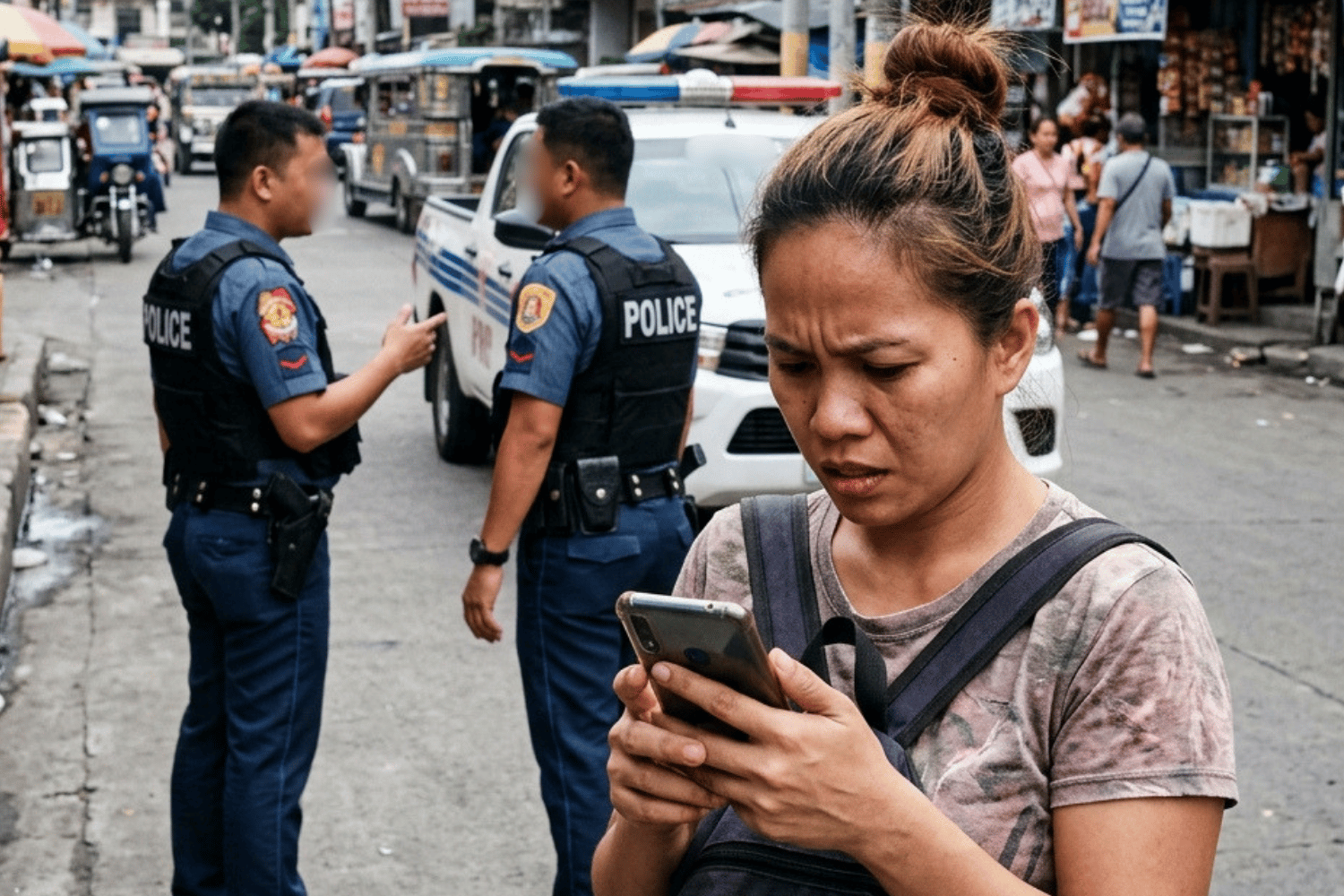
Filipino scam victims are three times more likely to report fraud to digital platforms than to the police, a pattern that raises questions about where consumers actually turn when they need help recovering stolen money.
The GSMA ASEAN Consumer Scam Report 2026 found that almost half of Filipino victims reported scams to digital platforms, compared with only 16% who went to the police.
The figures do not establish why Filipinos prefer platforms over law enforcement, but the gap points to a trust and response problem when victims need an institution to act after money has already been taken.
That reliance is especially notable because reporting a scam does not necessarily mean getting the money back. Across the six Southeast Asian markets covered by the study, 45% of reported scam cases remained unresolved.
The study revealed that among victims who lost money, 82% recovered nothing, while only 10% recovered their money in full.
Filipinos are also the most worried about scams in the region, with 76% describing themselves as very concerned about online security. About 10% said they had been scammed in the past year.
Investment and cryptocurrency scams accounted for 41% of Filipino victims’ reported scam experiences, the highest share among the six markets surveyed.
With scams increasingly moving through messaging apps and leveraging AI-generated voices, deepfakes, and automated phishing, consumers are increasingly encountering AI-enabled scams that use voice cloning and other AI tools.
READ: