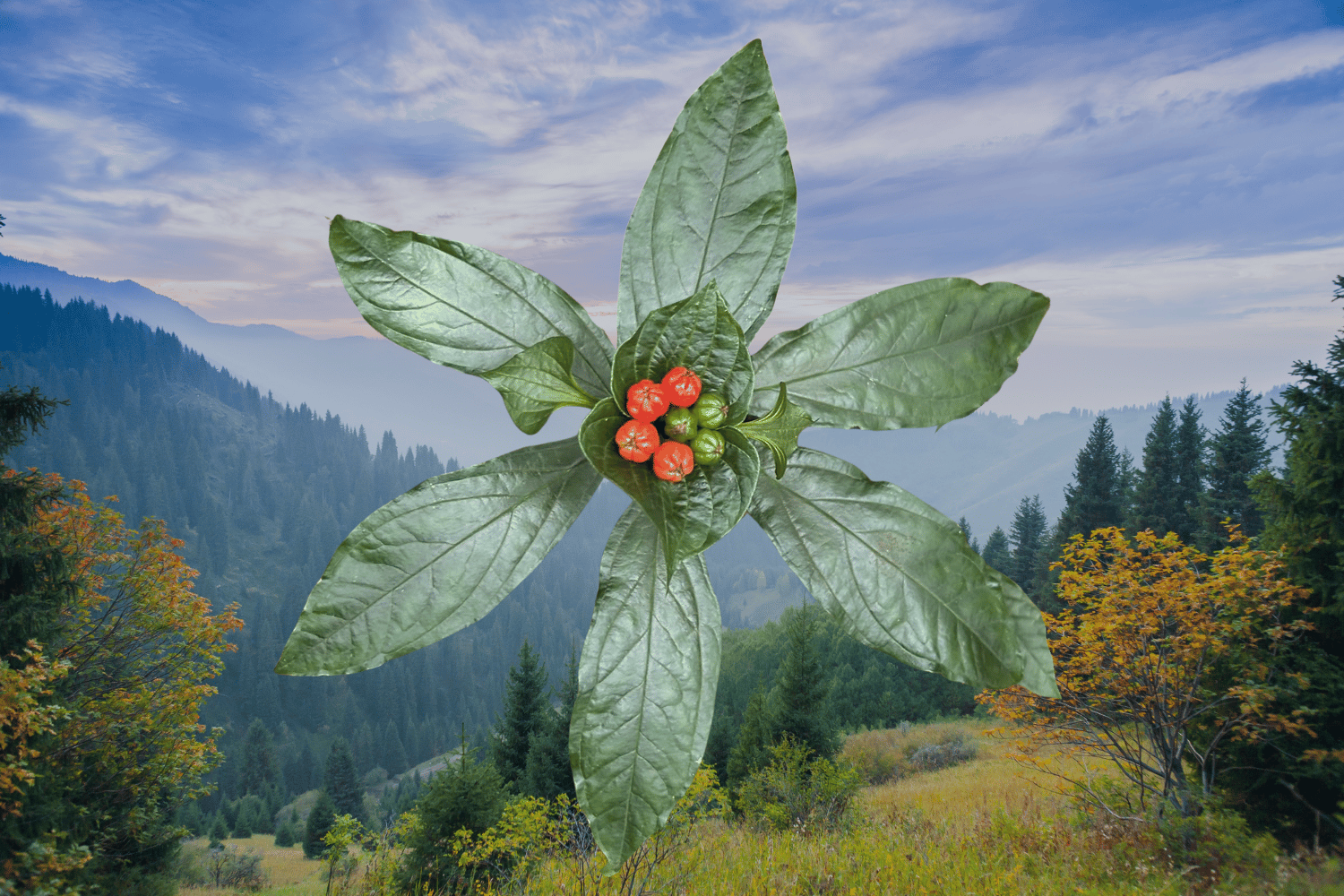
The flower’s natural habitat stretches well across Southeast Asia.
Deep in the shade of Philippine forests grows a plant so strange it hardly looks real.
Its leaves spread like giant green hands. Above them rise clusters of green and violet flowers resembling tiny bats or hooded insects. Eventually, bright-red berries emerge.
It is Tacca palmata, the green bat flower, locally known as payung-payungan—and protecting plants like it means protecting the forests that allow them to survive.
A native hiding in plain sight
Tacca palmata is native to the Philippines and other parts of Southeast Asia. Kew Science records its wider natural range from Indo-China through Malesia to New Guinea.
The perennial belongs to Dioscoreaceae, the botanical family that includes yams.
Singapore’s National Parks Board (NParks) records it growing in forest environments, bamboo groves and other shaded habitats up to around 1,000 meters in elevation.
Its unusual hand-shaped leaves help distinguish it from other bat flowers. Its blooms have green bracts tinged with violet but lack the spectacular long “whiskers” associated with the better-known black bat flower, Tacca chantrieri.
That understated appearance also makes T. palmata remarkably easy to overlook.
Conservation is about more than famous species
The Philippine conservation conversation often revolves around spectacular animals and plants already recognized as threatened.
But protecting biodiversity also means conserving less-famous native species before they reach a crisis.
Plants such as Tacca palmata depend on functioning forest ecosystems. When forests are cleared or fragmented, what disappears is not merely a collection of trees. The shade, moisture, soil conditions and relationships among organisms that understory plants depend upon are altered as well.
This makes habitat protection crucial even for species with relatively broad geographic ranges.
Leave wild plants in the wild
The popularity of unusual ornamental plants creates another reason for caution.
A fascinating plant encountered on a hike should never automatically become somebody’s next houseplant. Removing wild specimens can diminish local populations, while illegally collecting plants from protected areas can carry legal consequences.
Collectors should instead buy propagated plants from legitimate sources and avoid sellers offering specimens of questionable wild origin.
Traditional medicinal uses have also been recorded for Tacca palmata. NParks notes historical uses of its rhizome in the Philippines and elsewhere in Southeast Asia. These are ethnobotanical records, however, and should not be interpreted as evidence of medical safety or effectiveness.
Protect it before it becomes rare
Tacca palmata should not automatically be described as endangered simply because it is unusual or difficult to encounter. Its natural range extends well beyond the Philippines.
But conservation should not begin only after a species becomes endangered.
Protecting forests, discouraging wild collection and documenting native plant populations are ways to keep overlooked species from becoming tomorrow’s conservation emergencies.
The green bat flower may never command the instant attention of an eagle, tamaraw or rafflesia.
But it belongs in the Philippine forest just as much.
And that is where it should stay.
READ:
₱1.69-B Marikina bridge project raises concerns over impact on 500+ trees, plants
Kiara Gorrospe
July 18, 2026
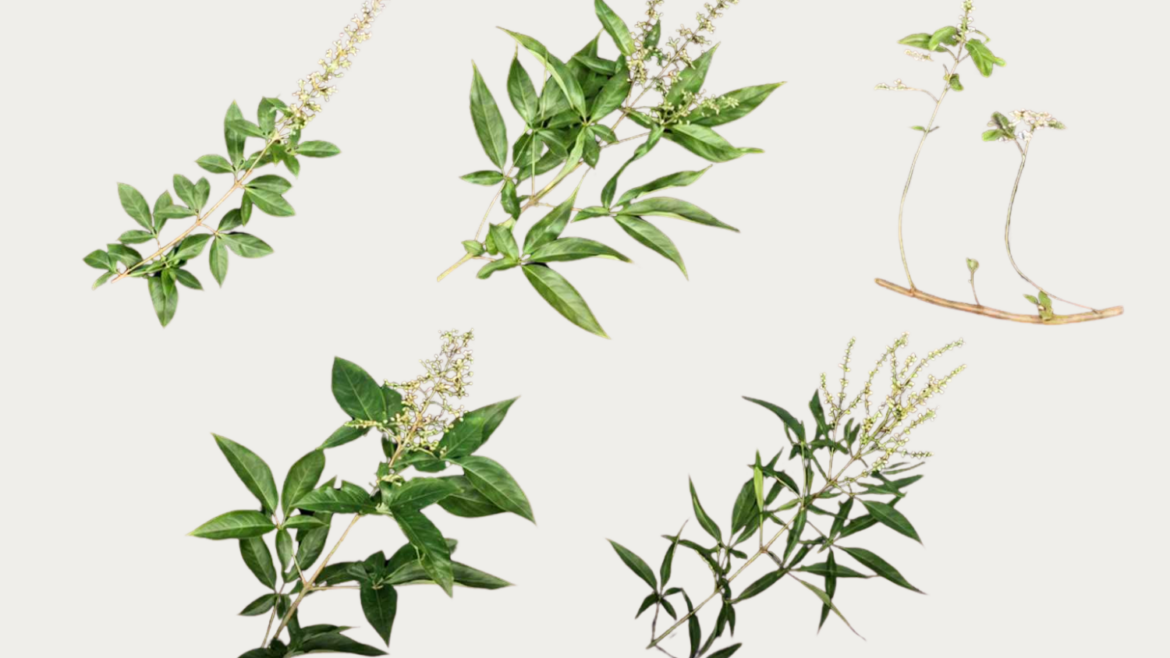
Scientists discover lagundi isn’t one plant—but five
Top Dagohoy
July 5, 2026

New Laguna poultry plant to boost PH chicken supply, create 400 jobs
John Lloyd Aleta
July 11, 2026