Businesses can get caught in the middle as governments tighten rules on global digital platforms.
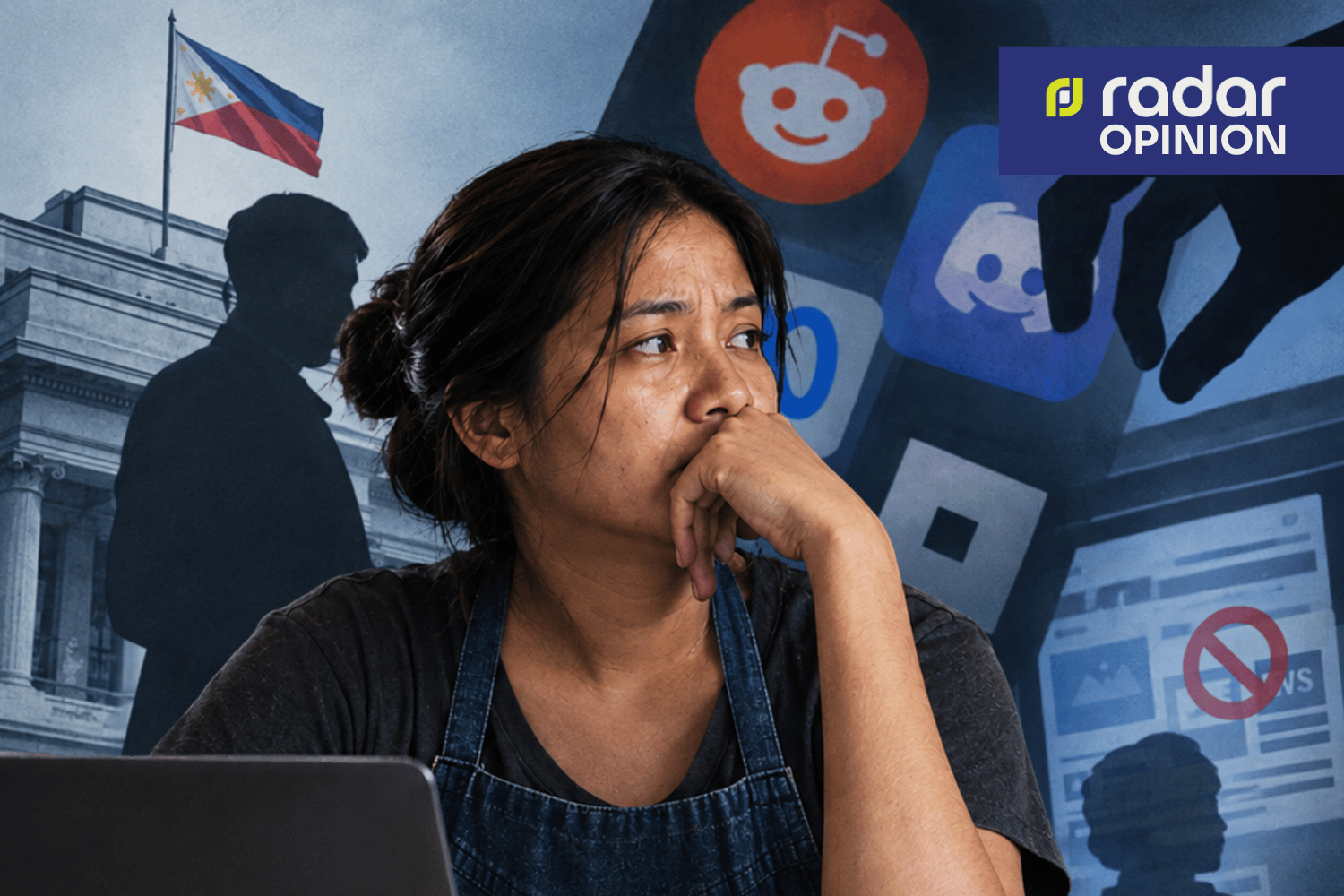
The Philippines is getting tougher on Big Tech. This week, the Cybercrime Investigation and Coordinating Center gave Reddit and Discord 24 hours to designate a resident agent or local representative in the country, warning that failure to comply could lead to restrictions on their operations or access.
The move came amid government concerns over online threats involving children and violent extremism following a string of school shootings.
The National Privacy Commission, meanwhile, issued show-cause orders to Meta, Roblox, Reddit and Discord over registration requirements under the Data Privacy Act and related rules.
The government’s concerns are serious, but so is another issue that tends to get lost when regulators and technology companies square off: what happens to everyone who depends on these platforms?
Canada offers an interesting case study.
Regulating platforms backfires
In 2023, Canada passed its Online News Act, creating a framework intended to make large digital platforms contribute to the sustainability of the country’s news industry.
Meta responded by removing news content from Facebook and Instagram for users in Canada. News links and content from publishers could no longer be viewed or shared by Canadian users, although the platforms themselves remained available for other purposes, including businesses and community groups.
The episode was a reminder that governments can regulate platforms, but platforms also have choices when they face regulations they consider unacceptable or too costly to comply with.
That is the part Philippine businesses should pay attention to. A small business that relies on Facebook to reach customers, Instagram to market products or Messenger to handle inquiries has little control over what happens when those platforms change their rules or the government changes the conditions under which they operate. The same applies to communities, developers and creators that have spent years building audiences on Reddit, Discord or Roblox.
None of this means the government should simply leave Big Tech alone. If platforms are being used in ways that expose children to exploitation or facilitate real-world violence, authorities have a legitimate reason to demand accountability and faster cooperation, particularly when the companies involved have millions of Filipino users.
But regulation also has a second-order effect that deserves more attention.
The Philippines has spent years encouraging businesses to go digital, and that has created opportunities for entrepreneurs that would have been difficult to imagine a generation ago. At the same time, the more commerce, marketing and customer relationships move onto private platforms, the more businesses become exposed to decisions made by companies they do not control.
And that cuts both ways. The government may have the authority to demand compliance, while a global platform may have the ability to change its services, restrict certain features or, in an extreme case, reconsider how it operates in a particular market. The small business caught between the two has considerably less room to maneuver.
That is why the conversation should not stop at whether Big Tech should be regulated. Businesses should also be asking how much of their customer base, sales, and community they have entrusted to platforms that can change the rules without asking them first.
Building a digital business is good business. However, they cannot decide how governments regulate these platforms, nor can they decide how the platforms respond. What they can decide is how much of their business they are willing to leave in someone else’s hands.
That’s the point.
READ:






OPINION: Smoking areas were supposed to be a good thing. Are they really?