It’s your rest day, at last. You can cook for the family again after days of simply ordering food.
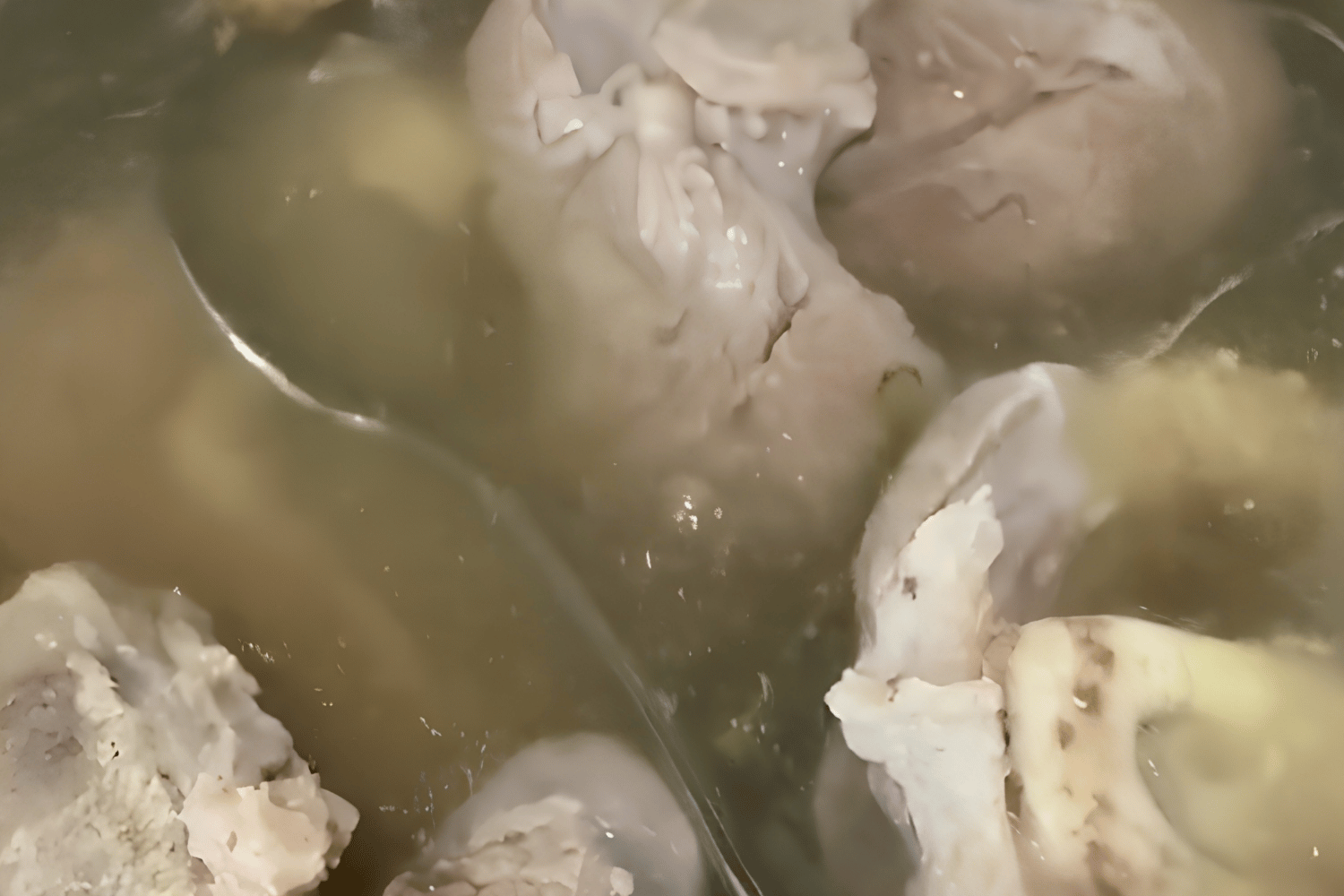
You know how your mama, tita, tito, lolo, and pinsan love your Batangas-style bulalo—the kind with fork-tender beef and umami-filled sabaw.
As the pot simmers, you remember your late lola’s advice: put a metal spoon or fork into the pot.
You’ve heard the explanation before. The metal supposedly helps transfer heat, making the pagpapalambot faster. So you drop the spoon in and let the bulalo cook, just as your lola taught you.
It’s a familiar piece of Filipino kitchen wisdom, passed around so often that you rarely stop to question it. Even your relatives on your papa’s side swear by it.
But being the curious kusinero that you are, you start digging. You scroll through Facebook posts, watch YouTube videos, and scour cooking blogs. Many repeat the same advice.
So, what does the science really say?
Tender meat is less about having a piece of metal in the pot and more about time, temperature, and connective tissue. Tough cuts of beef contain collagen, which gradually breaks down into gelatin during slow, moist cooking.
That’s what gives bulalo its soft, almost falling-apart texture—and why the same principle applies to kaldereta, mechado, beef pares, and other slow-cooked dishes.
But there may be more to the spoon than an old wives’ tale. In 2025, Dr. Tuti Suryati of Institut Pertanian Bogor University, a leading university in Indonesia, supported the idea. “The presence of a spoon in the boiling water can increase and maintain the heat of the water and air in the pot more quickly and stably. This heat is then transferred to the meat tissue, making the meat tenderize faster compared to not using a metal spoon or fork,” she’s quoted as saying in the university’s website in September 2025.
Still, Tuti said simmering time depends greatly on the type, cut, and size of the meat. She noted that loin and tenderloin tenderize more quickly than meat from the thigh or shank, which have more connective tissue.
If heat and cooking conditions can affect how quickly meat tenderizes, what happens when those conditions are changed more dramatically?
Enter the pressure cooker.
Depending on the cut and recipe, an hour of typical simmering can sometimes be reduced to around 10 minutes under pressure. A pressure cooker raises the boiling point of water, allowing meat to cook at a higher temperature while staying moist. The extra heat can help collagen break down faster.
The difference is that a pressure cooker deliberately changes the cooking environment. Whether a humble spoon can produce a similar effect is another question.
In 2025, food platform FEATR put that question to the test. As part of an episode testing cooking myths passed down by Filipino moms and lolas, the team prepared two pots of mechado using the same method and cooking time, with a spoon added to one.
A co-host couldn’t tell a meaningful difference between the two. “A myth is a myth,” the host said.
But perhaps that doesn’t quite settle why the practice has survived for generations.
Still, you keep doing what your lola once taught you. After all, some pieces of Filipino kitchen wisdom live on not because they’re proven, but because they’re passed down with the same care as the recipes, stories, and memories that come with them.
READ: