Seven deadly snakes are lurking across the PH islands
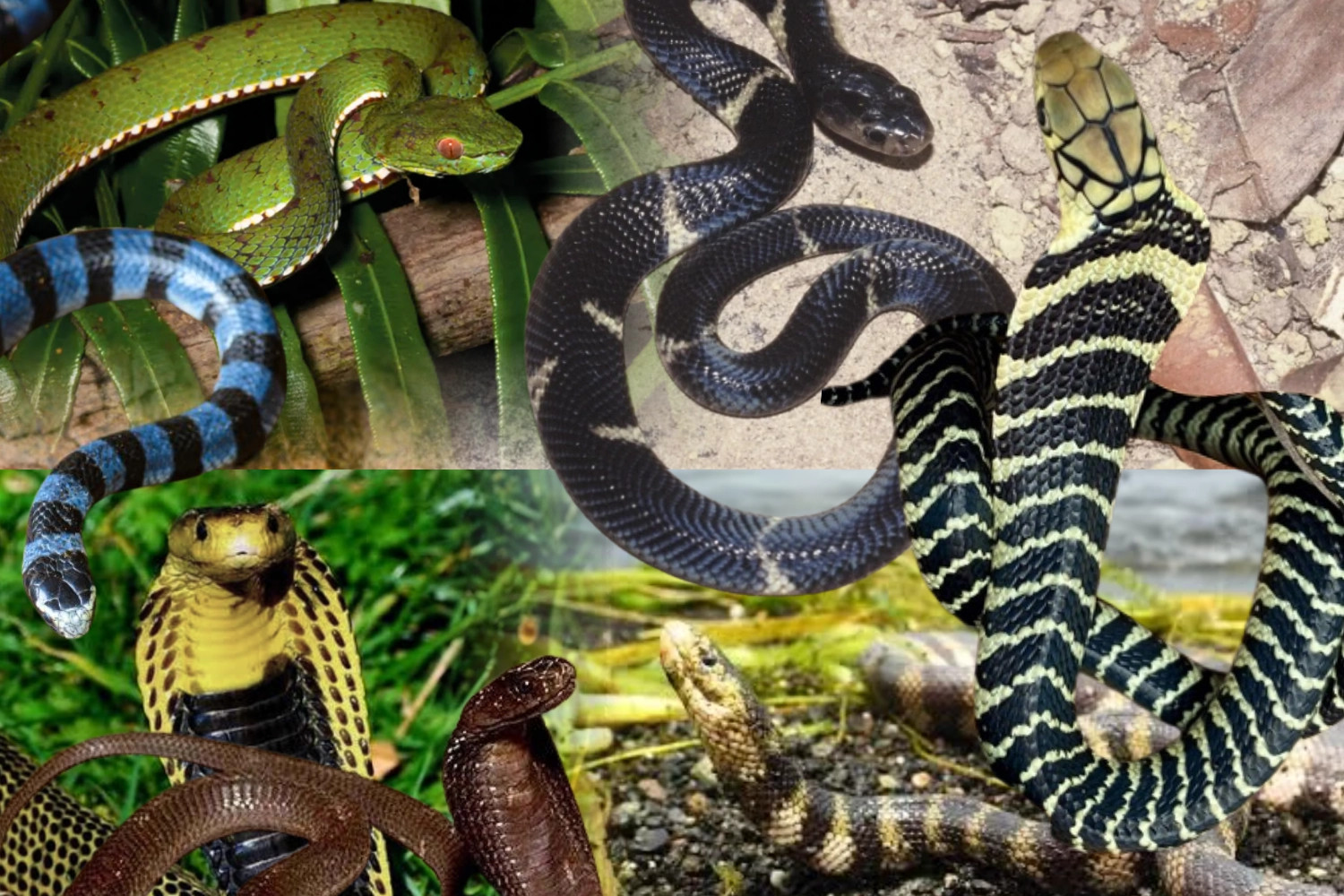
You’re walking through a rice field when a cobra suddenly raises its head and spreads its hood. Or perhaps you’re snorkeling over a coral reef when a black-and-white striped snake swims past your feet.
Would you know which ones could kill you?
The Philippines is home to several highly venomous snakes. Some produce toxins that can paralyze breathing muscles, others can cause severe tissue damage, while certain cobras can even spit venom into a person’s eyes.
Here are seven species every Filipino should know.
1. Philippine cobra (Naja philippinensis)
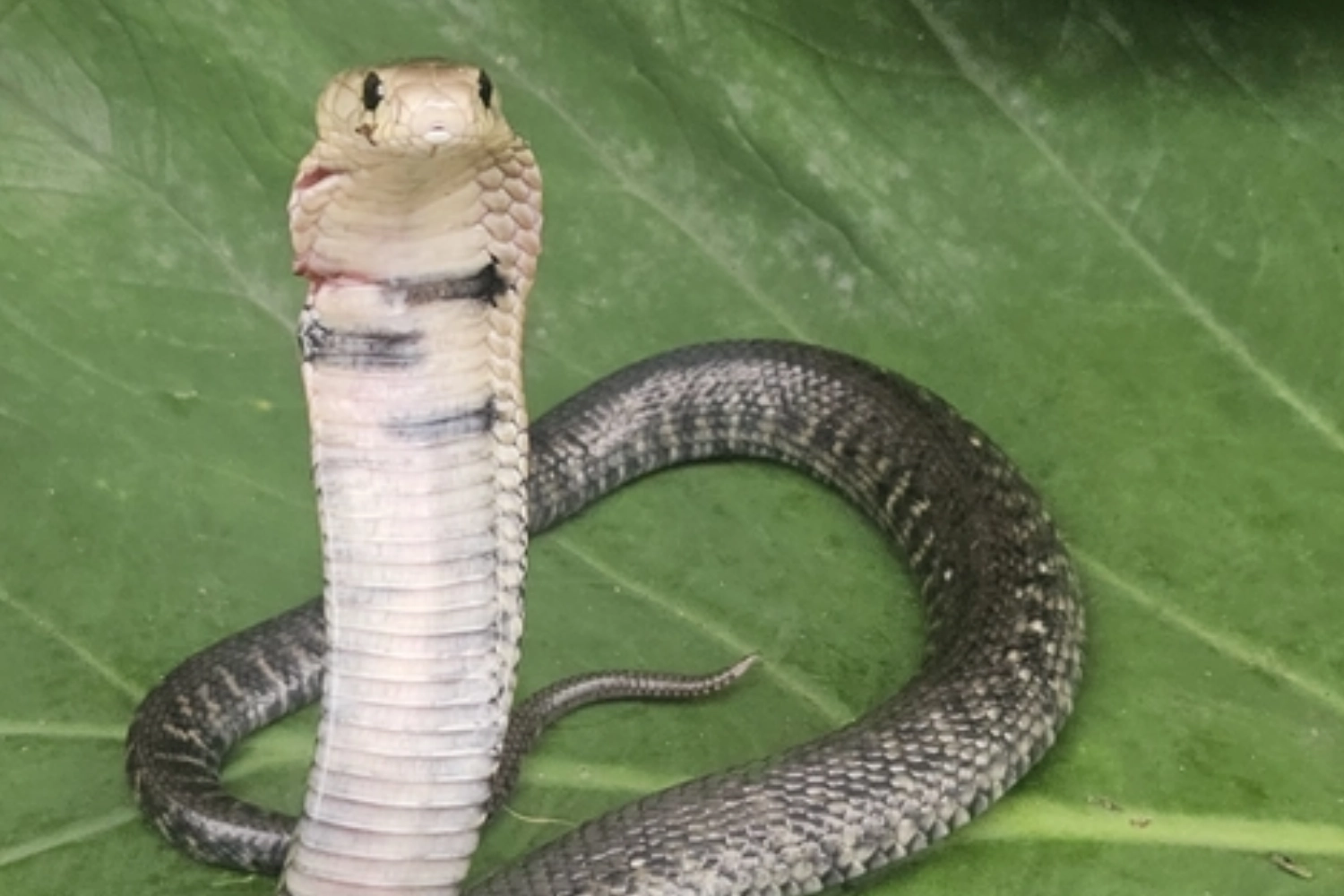
Found mainly in Luzon and several nearby islands, including Mindoro and Masbate, this cobra possesses highly potent neurotoxic venom that can cause respiratory paralysis. It can also spit venom toward the eyes from distances of up to three meters.
2. Samar cobra (Naja samarensis)
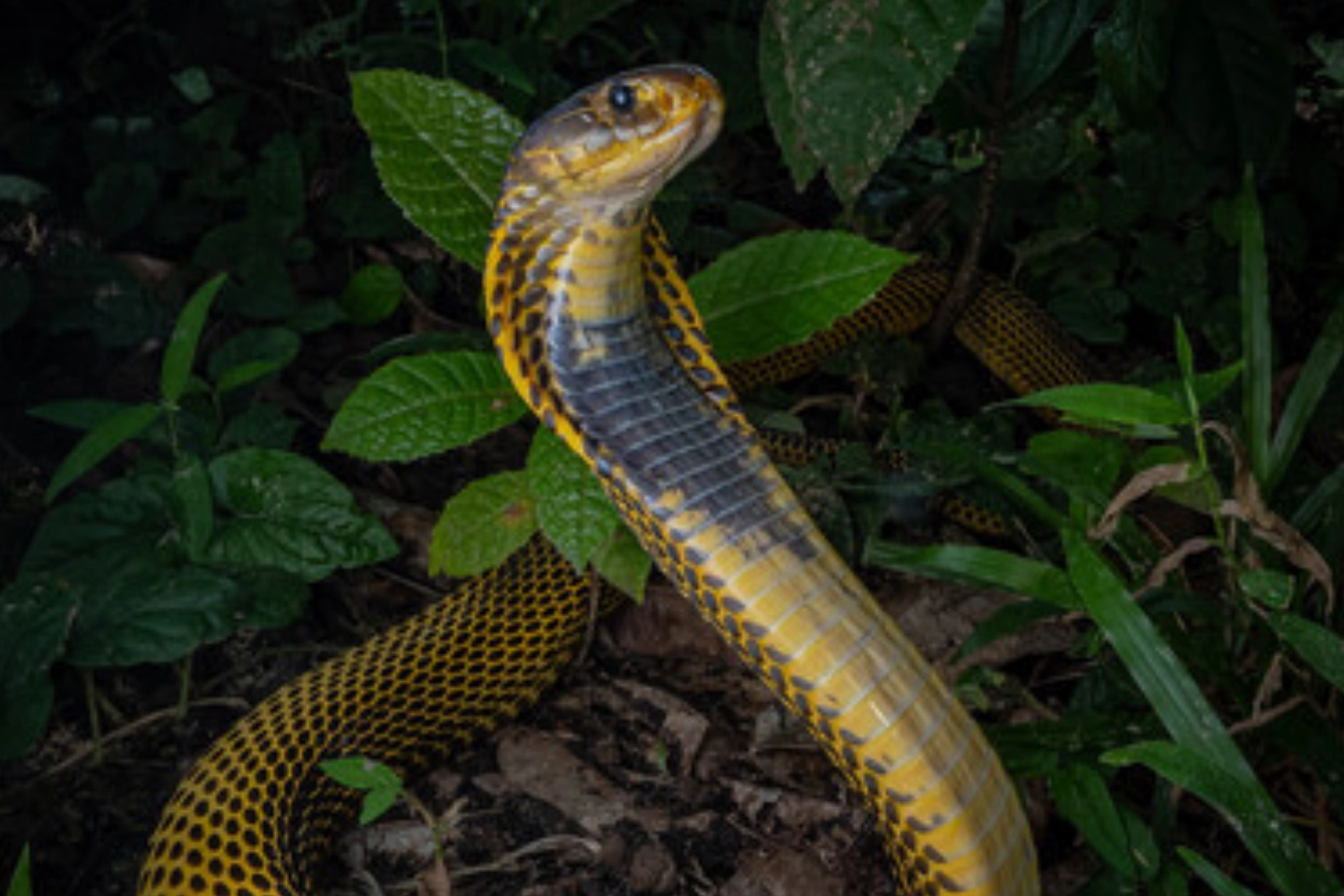
Found in Samar, Leyte, Bohol, and Mindanao, this spitting cobra produces venom containing neurotoxins and cytotoxins. Its bite can cause paralysis and local tissue damage.
3. King cobra (Ophiophagus species)
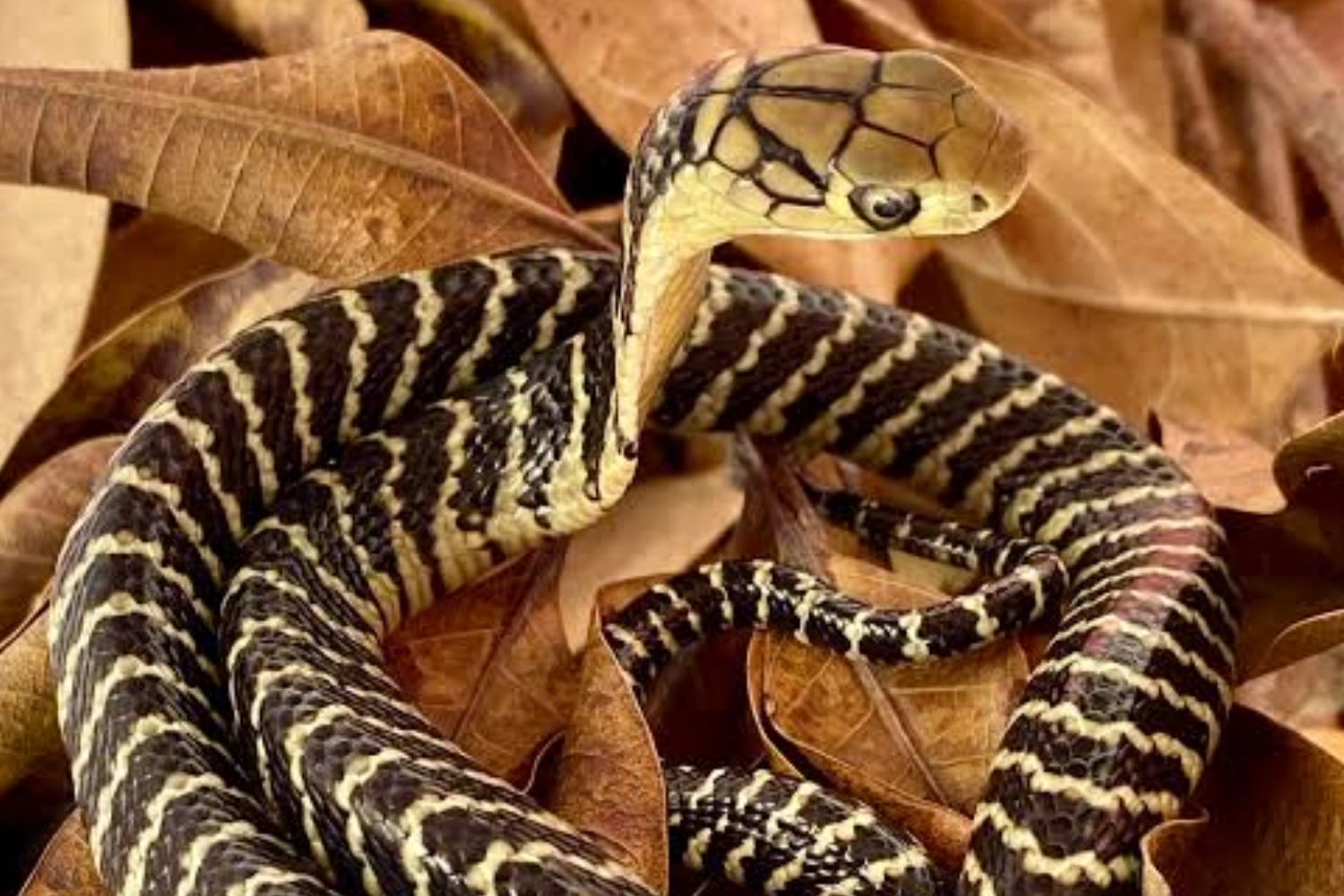
The world’s longest venomous snake can exceed five meters. It primarily feeds on other snakes and can deliver a large quantity of neurotoxic venom. A 2024 scientific study identified the Luzon king cobra (Ophiophagus salvatana) as a distinct species endemic to Luzon.
4. Equatorial spitting cobra (Naja sumatrana)
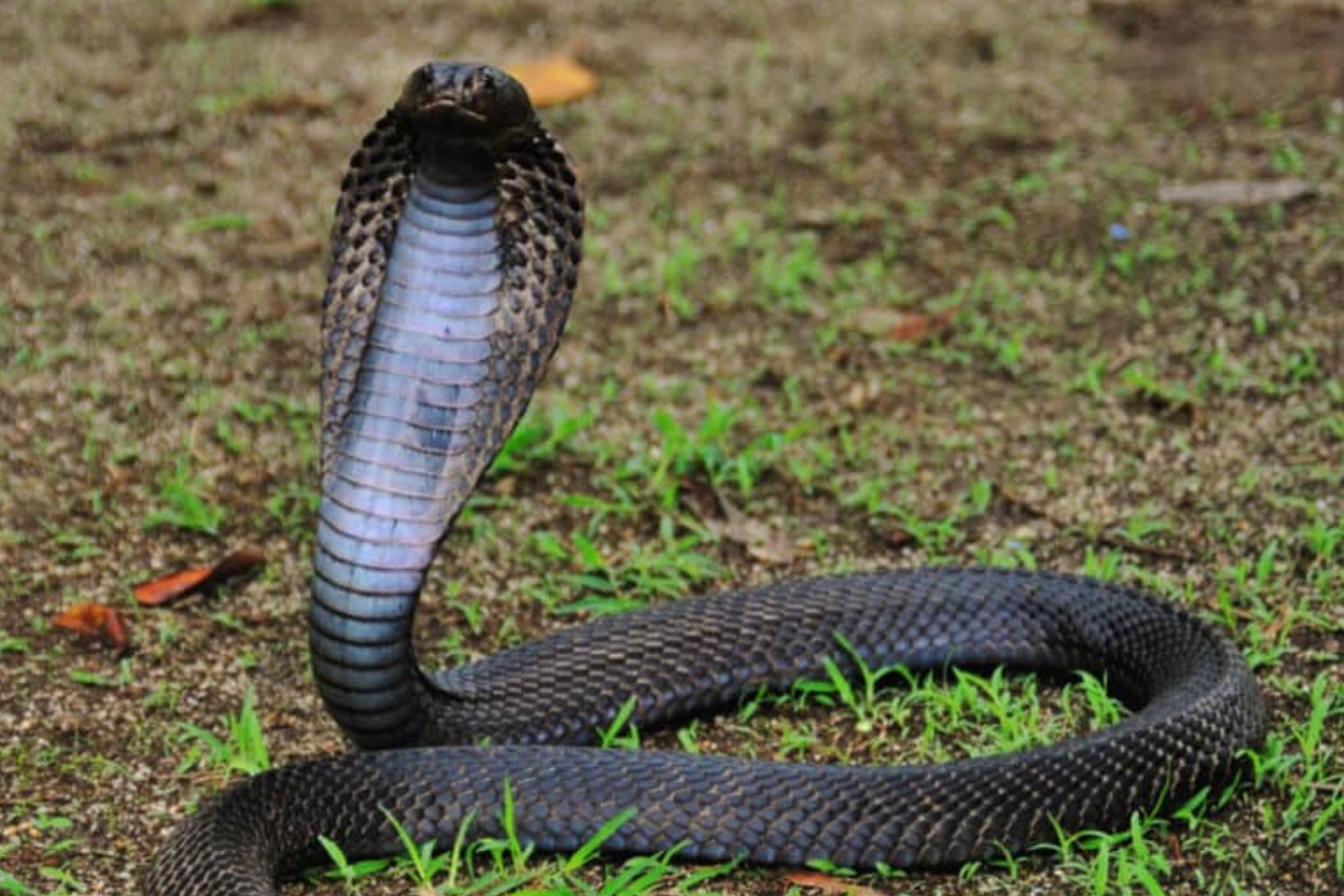
Found in Palawan and parts of the Calamian Islands, this often dark-colored cobra possesses potent neurotoxic venom. It can also spit venom defensively, potentially causing serious eye injuries.
5. Philippine pit viper (Trimeresurus flavomaculatus)
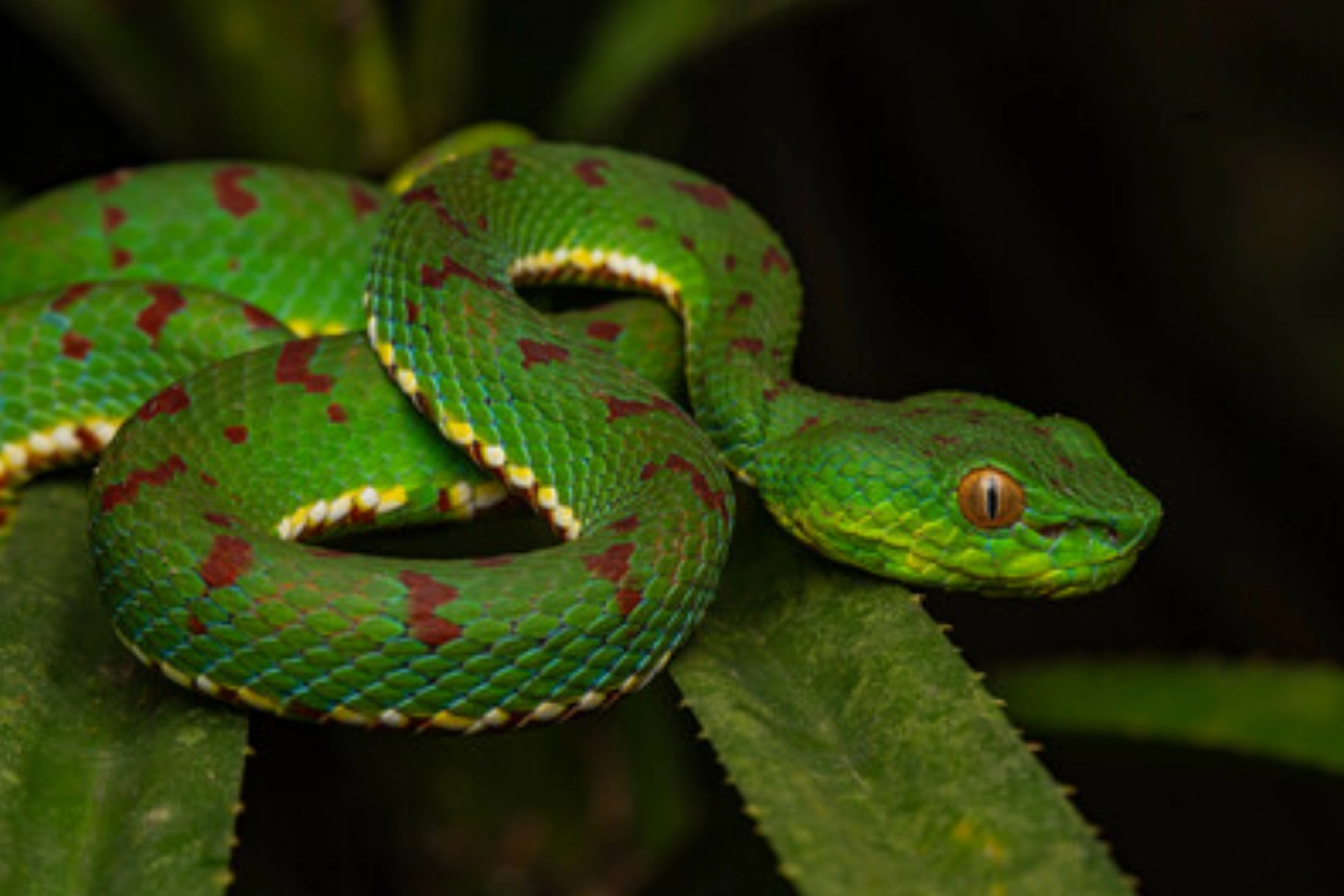
Found across numerous Philippine islands, this ambush predator uses heat-sensitive facial pits to locate prey. Its venom can cause severe pain, swelling, tissue injury, and disturbances in blood clotting.
6. Banded sea krait (Laticauda colubrina)
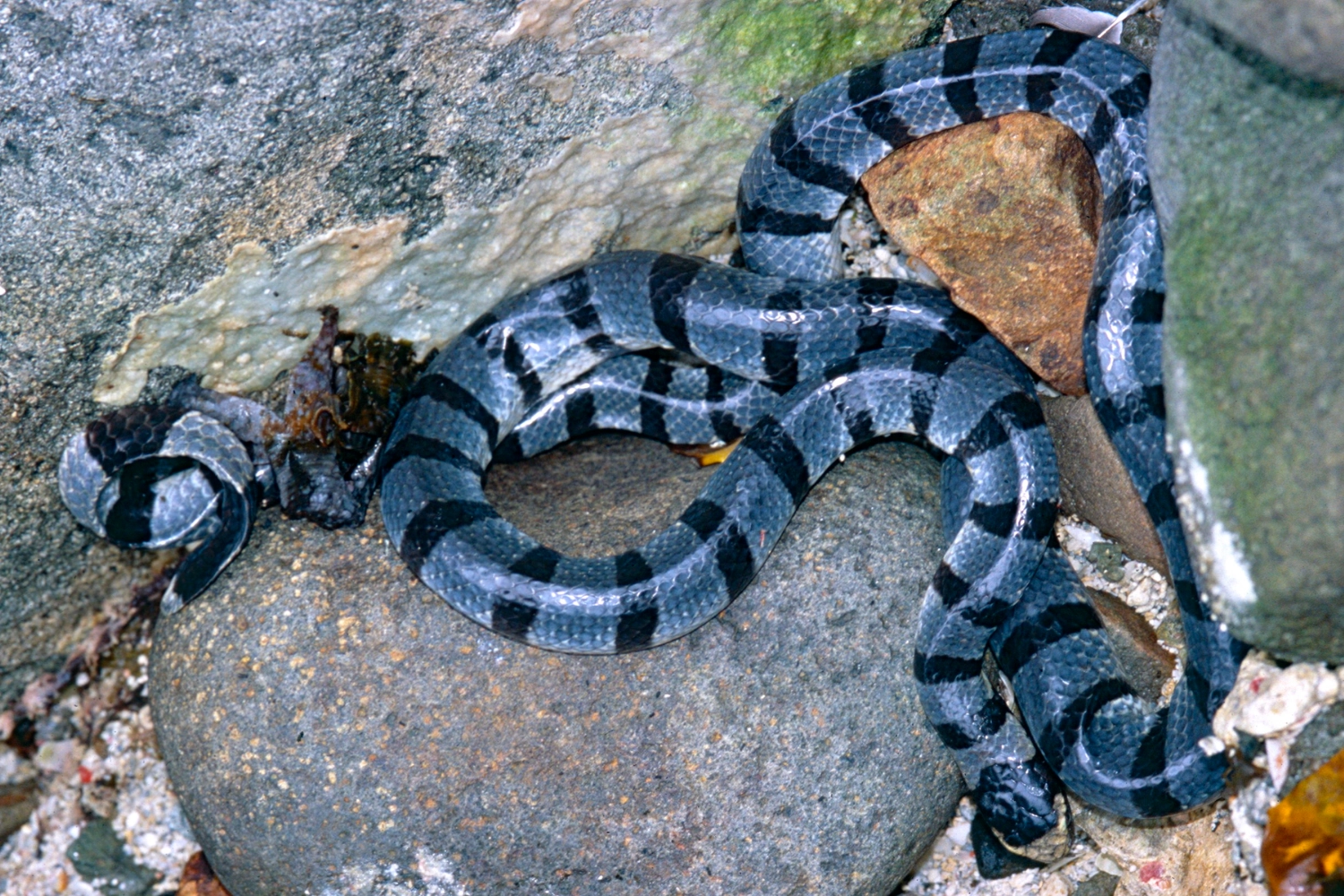
Found in Philippine coastal waters and coral reefs, this black-and-pale-banded snake possesses highly potent neurotoxic venom. It is generally nonaggressive and moves between the ocean and land, where it rests and lays eggs.
7. Lake Taal sea snake (Hydrophis semperi)
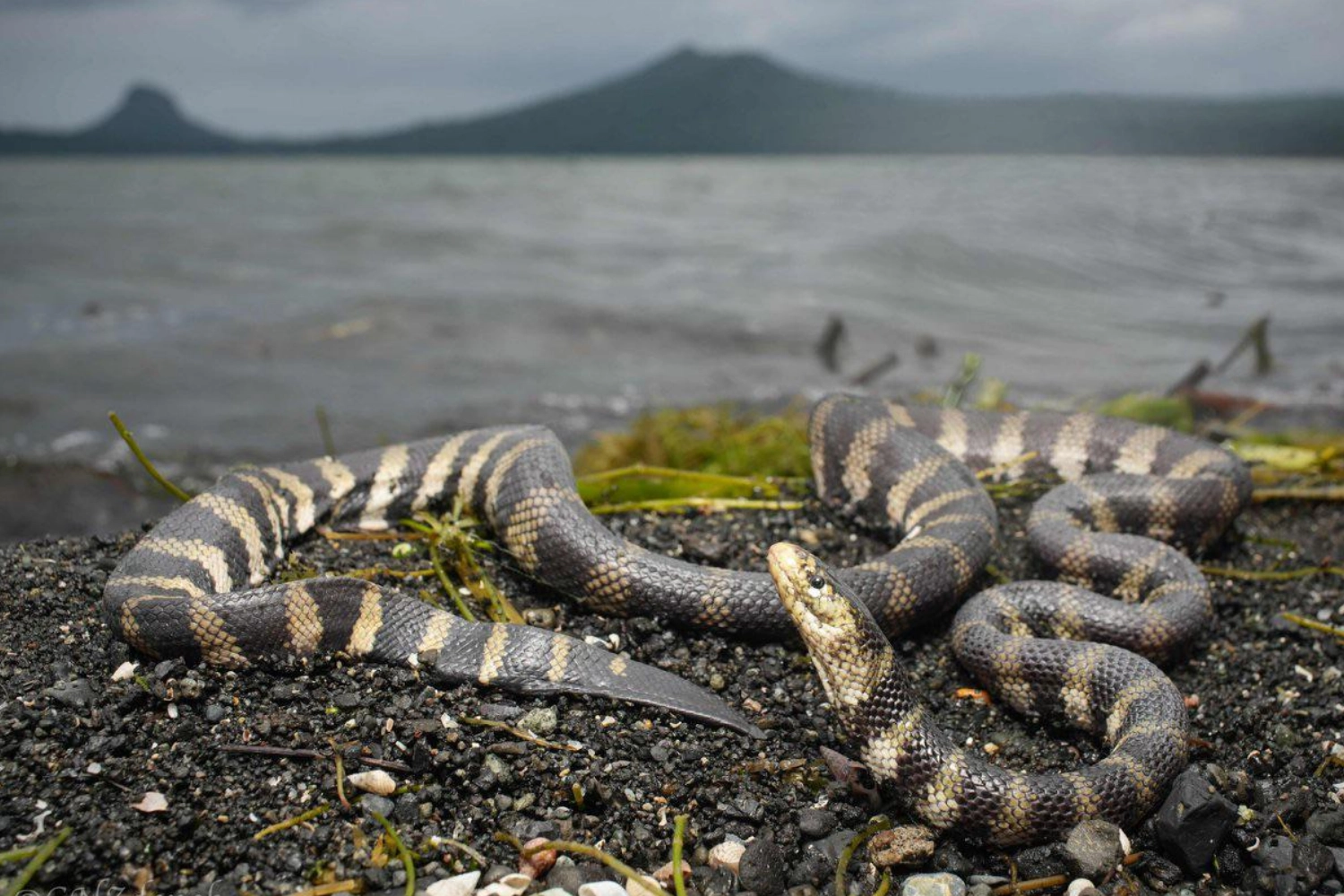
Endemic to Taal Lake in Batangas, this rare freshwater snake belongs to a group otherwise associated with marine environments. Its venom is dangerous, and human bites have been documented in medical research.
What to do if bitten
Move away from the snake, keep the affected limb as still as possible, remove tight jewelry, and seek emergency medical treatment immediately.
Never cut the wound, suck out venom, apply ice, or use a tight tourniquet. Appropriate antivenom may be needed, although availability varies by species and medical facility.
If venom is spat into the eyes, rinse immediately with plenty of clean water and seek urgent medical attention.
Remember, snakes generally avoid confrontation with humans. Keeping your distance and leaving them undisturbed is the safest approach.