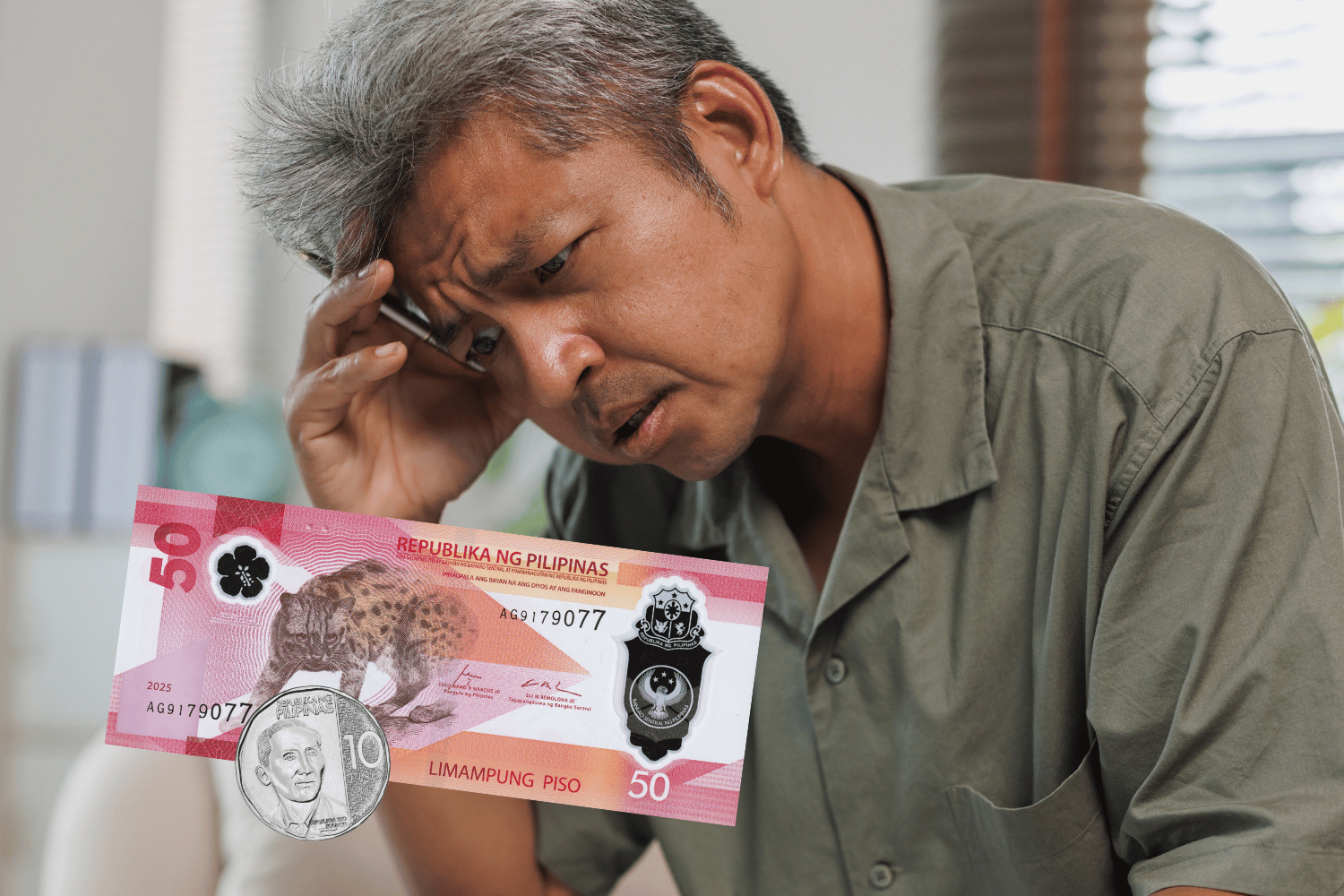
Rising transport fares, higher utility bills, and food inflation still affect minimum wage earners.
Metro Manila’s minimum wage is finally going up, but there is a big difference between giving workers ₱60 more a day and giving them enough room to breathe.
Under Wage Order No. NCR-28, non-agricultural minimum wage earners will now receive ₱755 a day, up from ₱695, while workers in agriculture and certain small establishments will get ₱718 from ₱658.
A worker putting in 20 days a month will get ₱1,200 more in gross pay every month, or ₱14,400 over a year if the full increase applies throughout the year.
That is something, especially for households already stretching every peso. But several of the things workers spend that money on have also become more expensive.
NCR inflation reached 4.1% in August, with transport prices rising 10% from a year earlier and housing, water, electricity, gas and other fuels increasing 6.8%.
Food inflation in the region was lower at 1.6%, although rice prices were still 12.1% higher than they were a year earlier.
Transport has been particularly painful, especially after the latest round of fare increases that raised the minimum traditional jeepney fare to ₱14 and pushed up rates for buses, taxis, TNVS, and other public transport.
So that additional ₱60 does not simply become ₱60 of extra spending money.
A worker might use part of it to cover higher fares, another part for groceries and household bills, and whatever remains can disappear into the other expenses that come with getting through a month in Metro Manila.
But workers are not the only ones being asked to absorb higher costs.
Businesses also have to find the money to cover that additional ₱60 per worker. Large companies may have more room to plan around a higher wage bill, but small businesses operating on already-thin margins can have a much harder time absorbing another increase in labor costs.
They can take the hit themselves, raise prices, cut other costs, reduce hiring, or find other ways to make the numbers work. None of those options is painless. When businesses raise prices to cover higher costs, workers can end up paying part of that increase right back through more expensive goods and services.
The labor market also shows why the wage increase cannot be treated as the only measure of workers’ economic security.
The Philippine Statistics Authority counted 49.21 million employed Filipinos in July, but 6.33 million were underemployed, meaning they wanted additional work or longer hours.
Metro Manila recorded an 8.2% unemployment rate during the same month, compared with 6.0% nationwide.
The average wage figures also hide a wide range of experiences. The PSA’s latest Occupational Wages Survey placed the average monthly wage for full-time, time-rated workers in NCR at ₱29,310 in 2024, the highest among regions.
However, that figure covers workers across different occupations and industries and does not represent what minimum wage earners actually receive.
A ₱755 daily wage can look very different from the reality of a worker’s paycheck when every monthly bill has to be accounted for.
The government can point to the ₱60 increase as proof that the wage-setting process produced a higher floor for workers, and minimum wage earners will indeed have more money in their paychecks.
But a higher wage floor does not automatically mean a worker has gained meaningful breathing room. If fares, food, utilities and other expenses keep eating into that increase, the extra money can disappear almost as quickly as it arrives.
Businesses, meanwhile, have their own difficult choices to make as they absorb higher labor costs, and some of those choices can eventually feed back into prices, hiring and the cost of doing business.
₱60 more is better than ₱60 less, but it is hardly a windfall. A worker can spend that increase before the month is over, while a small business may have to scramble to find the money to pay it. That is hardly the kind of wage increase anyone should be celebrating as a major win.
READ:

Metro Manila minimum wage to rise by ₱85 in two tranches starting July
Kiara Gorrospe
June 30, 2026
LBC workers push back against ₱8 wage hike
John Lloyd Aleta
May 19, 2026
Pasig court halts ₱85 NCR minimum wage hike amid business cost concerns
Kiara Gorrospe
July 31, 2026