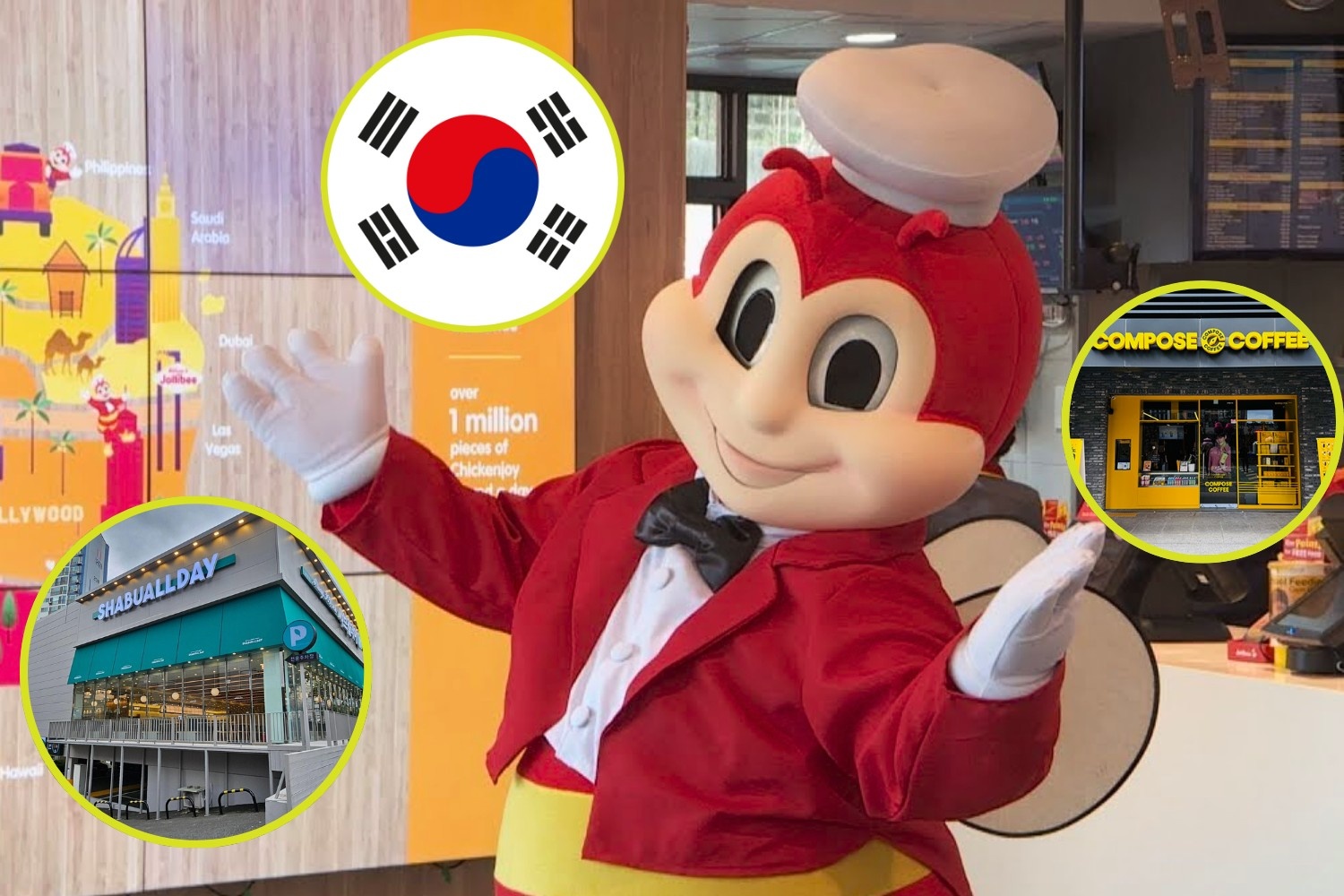
A string of Korea deals highlights a growing focus on concepts that already deliver
Jollibee Foods Corp. has cleared the final hurdle for its takeover of South Korea’s Shabu All Day, adding a 170-store hot pot chain to a portfolio that already spans more than 10,000 locations worldwide. It’s a tidy deal by any measure, with strong unit economics, fast payback, and a concept that thrives on volume. For a company that has been steadily building its presence in Korea, it fits neatly into place.
But taken together with its recent moves, it also says something more revealing about how Jollibee Foods Corp. now approaches growth.
The emphasis is no longer on creating the next big brand from the ground up. The focus is on identifying concepts that already work, plugging them into a larger system, and scaling them with discipline. That distinction may sound subtle, but it changes the kind of company Jollibee is becoming.
The language around the deal makes it pretty obvious. Executives point to “asset-light” models, high returns, and short payback periods. These are the markers of a business that prioritizes efficiency and predictability. They also happen to be the same markers that guide investment decisions, where the goal is to deploy capital into formats that can deliver consistent results across markets.
Seen through that lens, the expansion into Korea reads less like a culinary adventure and more like a calculated buildout. The earlier acquisition of Compose Coffee already established a foothold in a category with steady demand and strong margins. The coffee chain has also begun expanding beyond Korea, with a recent debut in Taiwan that signals how quickly these formats can travel.
Shabu All Day adds another layer, this time in all-you-can-eat dining, where scale and throughput drive profitability. Both concepts come with built-in audiences and operating models that have been tested extensively.
There is very little guesswork involved, and that is precisely the appeal.
Betting on formats that scale
This approach also explains why Jollibee has been circling categories that are, by design, high-traffic and easy to replicate. Coffee chains, milk tea brands, unlimited dining formats—these are not niche plays. They are designed to move volume, turn tables quickly, and generate predictable revenue. When executed well, they can be rolled out across cities with minimal reinvention.
That kind of expansion rewards discipline. It favors companies that can standardize operations, manage costs, and maintain consistency across hundreds of locations. Jollibee has spent decades building that capability, and it is now putting it to work on a broader stage.
Still, there is a tradeoff that comes with leaning heavily on what is already popular.
Trends, by nature, have a shelf life. What feels like an easy win today can lose momentum once consumer tastes move on. A company that builds its own brands has more room to steer them through those changes, adjusting identity and positioning along the way. A company that acquires established formats inherits both their strengths and their limitations.
That does not make the strategy flawed. If anything, it shows a clear understanding of how to grow without overextending. The payback periods are short for a reason, and the formats are chosen with care. Each deal is meant to stand on its own while contributing to a larger system that prioritizes returns.
A portfolio held together by execution
The question is what holds that system together beyond financial performance.
With 19 brands operating across dozens of markets, Jollibee’s portfolio now spans a wide range of concepts, cuisines, and customer segments. There is a certain strength in that diversity, especially in an industry where consumer preferences can change quickly. At the same time, it raises a question about identity. What connects a hot pot chain in Korea, a coffee brand with hundreds of outlets, and a homegrown fast food icon that built its reputation on distinctly Filipino flavors?
For now, the answer seems to be execution. Jollibee knows how to run stores, manage supply chains, and scale concepts with consistency. Those strengths travel well across borders, and they give the company an advantage as it continues to expand.
But as the portfolio grows, the story becomes less about any single brand and more about how capital is deployed across many of them. That is a different kind of narrative, one that places as much weight on financial discipline as it does on customer experience.
Jollibee’s latest move in Korea fits that narrative neatly. It is measured, strategic, and grounded in clear economics. It is also another sign that the company is playing a longer game, one where growth is guided as much by return profiles as it is by brand building.
That may well be the right call for a company of its size. The results will likely support it.
What becomes interesting to watch is how far this approach goes and whether, over time, Jollibee continues to be defined by the brands it creates or by the portfolio it assembles.
Jollibee’s latest acquisition in South Korea highlights a broader strategy shift toward buying proven, scalable food concepts instead of building new brands from scratch. As the company expands globally, its focus on efficiency, fast returns, and predictable formats is becoming more pronounced.
READ:

ANALYSIS: JAZA stepping down as BPI chair may seem abrupt, but is likely anything but
Kenneth M. del Rosario
April 23, 2026
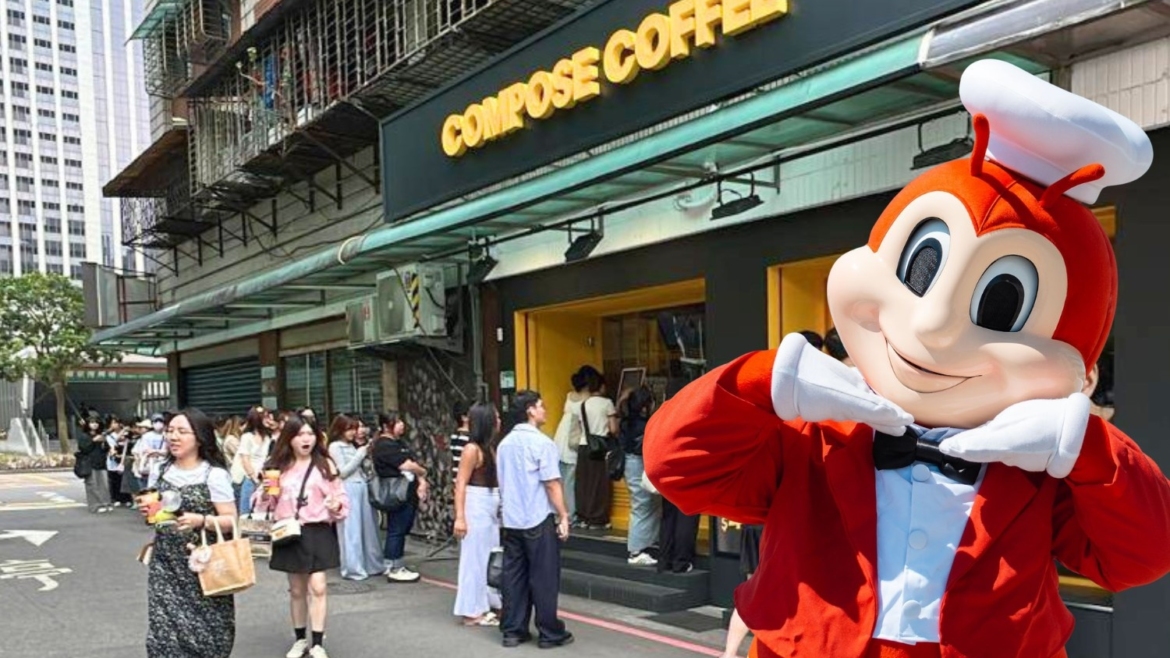
Jollibee scales coffee expansion as Compose Coffee gains traction in Taiwan
Kenneth M. del Rosario
April 21, 2026

Tony Tan Caktiong’s billion-dollar journey: the Jollibee discovery and global acquisition pitfalls
John Lloyd Aleta
December 12, 2025