Nescafé’s edge is attracting people who usually drink instant coffee or find cafés too pricey.
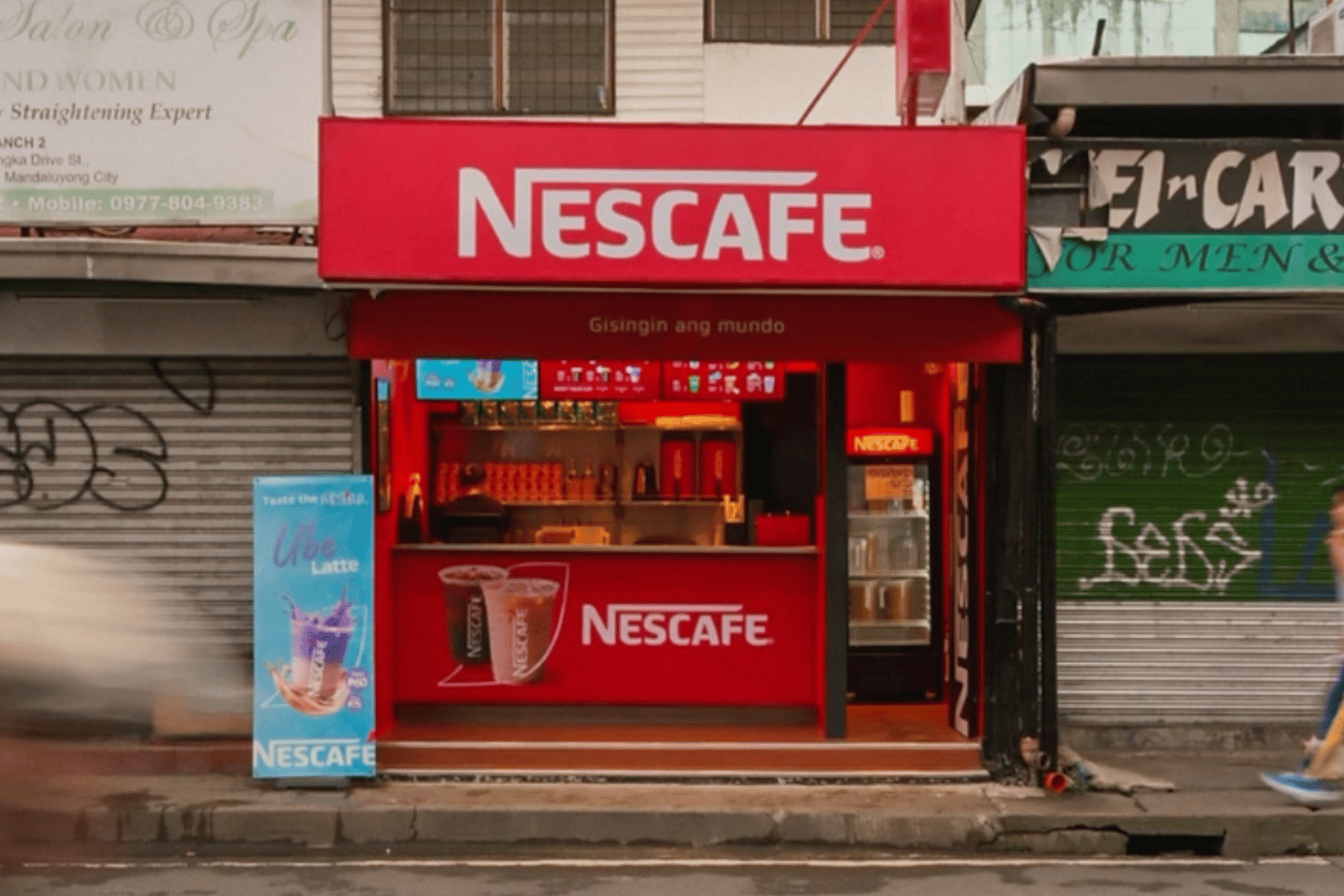
A cup of coffee for just ₱30. For students, commuters, and workers watching their daily expenses, the price is difficult to resist. But for independent coffee shops selling drinks at ₱120 to ₱200, could it become a serious threat?
The growing presence of Nescafé kiosks in Metro Manila has sparked an online debate about whether ultra-affordable coffee could disrupt the country’s increasingly competitive café industry.
On Threads, user @deanneormillo questioned how small coffee businesses could compete against a multinational brand offering drinks at such low prices.
“How are small, independent coffee shops supposed to compete with ₱30 coffee? People naturally gravitate toward what’s cheaper, especially in this economy,” the user wrote.
The discussion attracted thousands of views, with commenters divided over whether Nescafé represents a genuine threat or simply serves a different market.
Nescafé vs. Pickup Coffee
Nescafé is not the first major brand to challenge traditional café pricing.
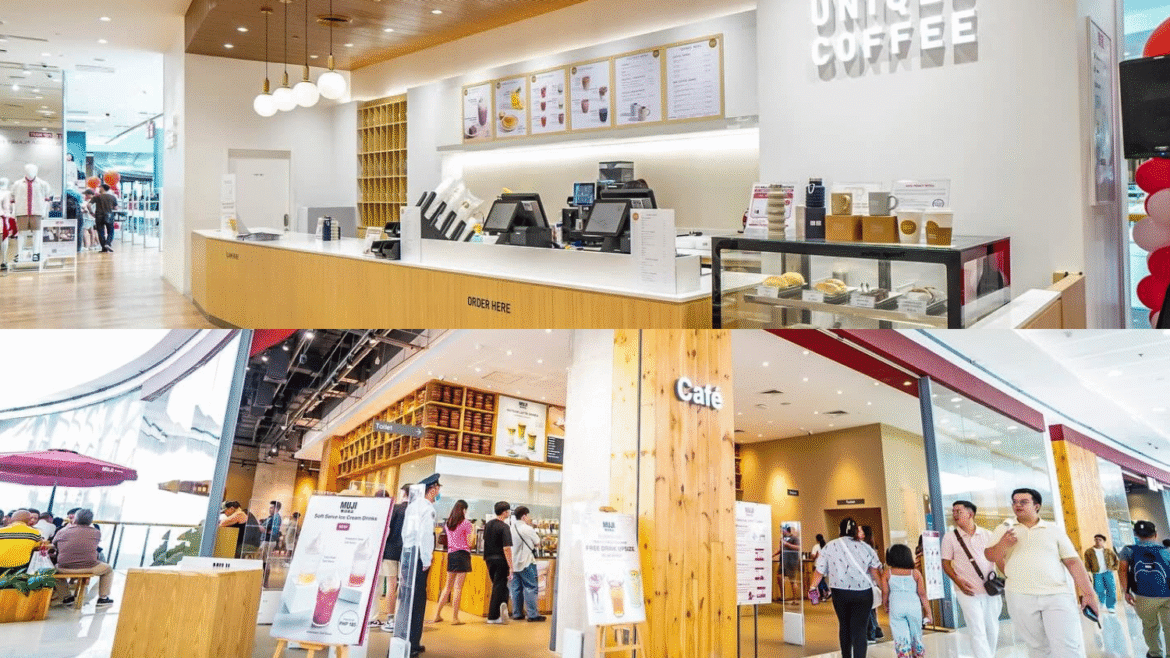
Pickup Coffee, launched in 2022, has already established a sizable presence by selling espresso-based beverages at prices considerably lower than those of premium chains.
But the two brands offer fundamentally different products.
Nescafé kiosks typically sell drinks for around ₱30 to ₱75, using soluble coffee bases mixed with milk, creamers, and flavored syrups. Its Spanish Latte reportedly costs around ₱50.
Pickup Coffee, meanwhile, offers drinks generally priced around ₱50 to ₱130, using espresso extracted from freshly ground coffee beans. Its Iced Kape Kastila costs approximately ₱75 to ₱80.
Their locations also reflect different strategies. Nescafé kiosks have appeared in residential communities and neighborhood commercial areas, while Pickup Coffee has concentrated heavily on malls, business districts, and other high-traffic locations.
The distinction is significant. Nescafé competes primarily on affordability and familiarity, while Pickup Coffee offers espresso-based drinks at relatively accessible prices.
Will small coffee shops suffer?
Several Threads users argued that specialty cafés have little reason to worry.
“I think they have their own target market. kase there are people even in this economy who are willing to spend money for a premium coffee or brewed coffee. :)” wrote @magicmyke_.
Another commenter, @cycle.marco, suggested that establishments selling inexpensive, sweetened coffee drinks could face greater pressure than specialty cafés.
“It will kill the ‘pseudo cafes’ that serve sugary drinks with caffeine,” the user claimed.
Others pointed out that customers visit independent cafés for freshly brewed coffee, comfortable interiors, and experiences that inexpensive takeaway kiosks cannot necessarily replicate.
One commenter, @lxsborz, argued that Nescafé was entering an already competitive segment rather than creating an entirely new market.
“Actually Nescafe is just catching up in this segment,” the user wrote.
The real disruption
In business, disruption happens when a cheaper or more accessible alternative changes consumer behavior and challenges established competitors.
Nescafé’s biggest advantage may be its ability to reach customers who previously relied on instant coffee sachets or considered café beverages too expensive.
However, there is no clear evidence yet that its kiosks are taking significant market share from independent cafés.
The greater pressure could fall on budget coffee sellers offering similar sweetened beverages at higher prices.
For consumers, the competition means more choices. For coffee entrepreneurs, it raises a difficult question: How much are customers willing to pay when a familiar brand can offer a cup for just ₱30?
Ultimately, Nescafé may not need to replace premium cafés to disrupt the market. It only needs to change what Filipino consumers consider a reasonable price for everyday coffee.
READ: