Overall volumes fall compared to last year, while EVs expand share, and the market remains concentrated among top brands.
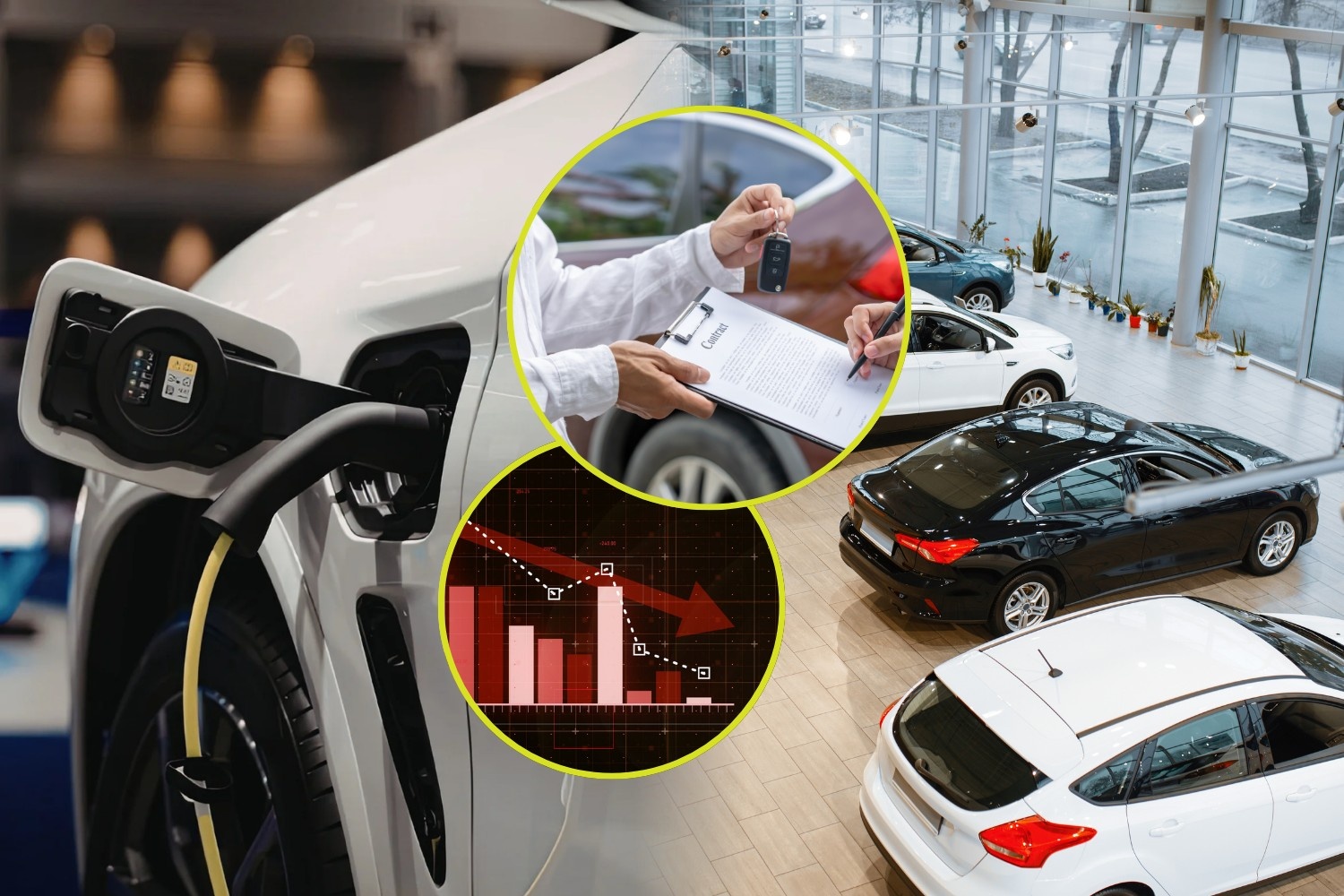
Car sales in the Philippines eased in March, dipping 10.4% to 36,104 units compared to 40,306 units in the same month last year, pointing to a softer environment for big-ticket purchases.
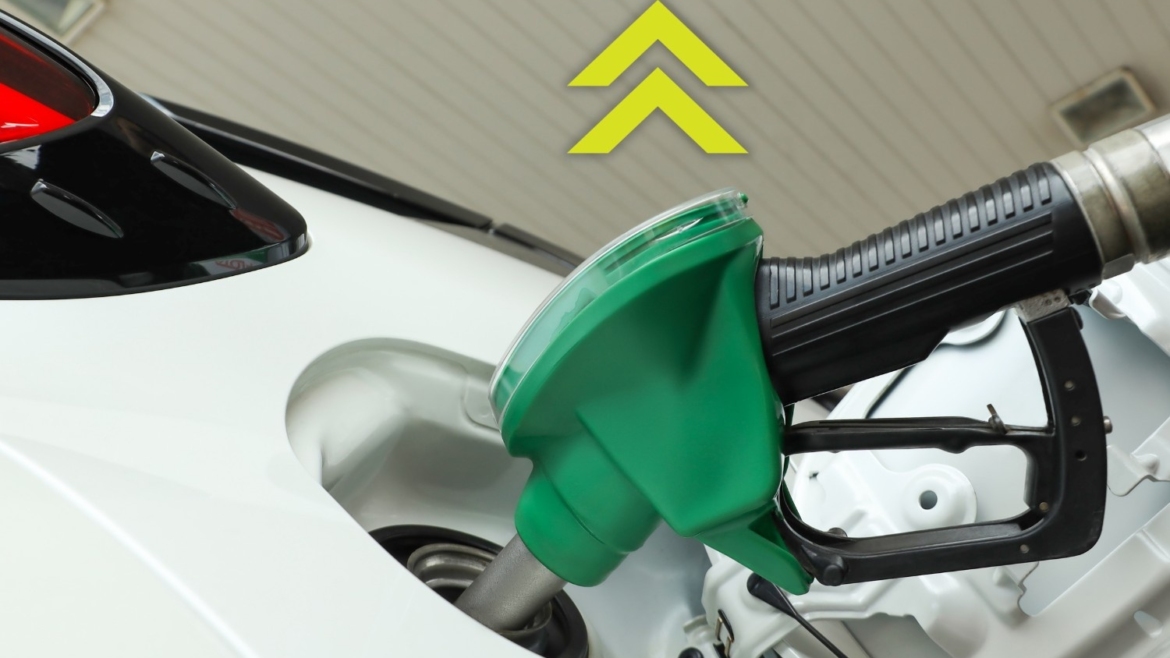
The slowdown comes as cost pressures continue to weigh on consumers, from higher fuel prices to more expensive financing, both of which can influence decisions around major purchases such as vehicles.
Even so, the market showed a slight month-on-month improvement, edging up 0.7% from February’s 35,842 units. The increase is modest, but it suggests that sales are not declining in a straight line and may be stabilizing after a slower start to the year.
Data from the Chamber of Automotive Manufacturers of the Philippines, Inc. and the Truck Manufacturers Association showed that total first-quarter sales reached 105,642 units. This remains 9.8% lower compared to the 117,074 units recorded in the same period last year.
Electrified vehicles expand market share
While overall volumes remain under pressure, one segment is moving in the opposite direction.
Electrified vehicles, which include battery electric, hybrid, and plug-in hybrid models, now account for around 17% of total industry sales in March. This marks a noticeable increase in their presence in the broader market, even as total sales declined.
Sales of these vehicles reached 6,148 units in March, more than double February’s 3,098 units, indicating sustained momentum for the segment.
According to the Chamber of Automotive Manufacturers of the Philippines, Inc., the continued growth is driven by rising consumer awareness and wider acceptance of electrified technologies. As fuel prices remain elevated, more buyers are exploring options that offer better efficiency and lower operating costs.
Higher oil prices are also influencing purchasing behavior more broadly, encouraging motorists to consider smaller and more fuel-efficient vehicles as practical alternatives. At the same time, electrified models are becoming more visible in the mainstream market rather than remaining a niche category.
Market remains concentrated among top brands
At the brand level, the market remains highly concentrated.
Toyota Motor Philippines Corp. led March sales with 17,622 units, accounting for 49% of total volume.
Mitsubishi Motors Philippines Corp. followed with 6,239 units, or 17% of the market, a volume that shows the scale of the lead held by the top player, which sold nearly three times more vehicles than its closest competitor.
Suzuki Philippines Inc., Nissan Philippines, Inc., and Honda Cars Philippines, Inc. completed the top five, each holding single-digit shares.
The distribution of sales points to a market where established brands continue to command a large portion of demand. This dynamic allows leading players to maintain volume even as overall conditions remain uneven, while smaller brands compete more actively within narrower segments.
Together, the figures show a market that is holding steady on a monthly basis but still running below last year’s pace. Demand remains present, but buyers appear more selective, balancing upfront costs with longer-term considerations such as fuel efficiency.