Deaf passenger wins 9-year legal battle vs. ex-AirAsia senior crew
Repeated appeals delayed his 2017 complaint; he also rejected a ₱500,000 offer, free flights
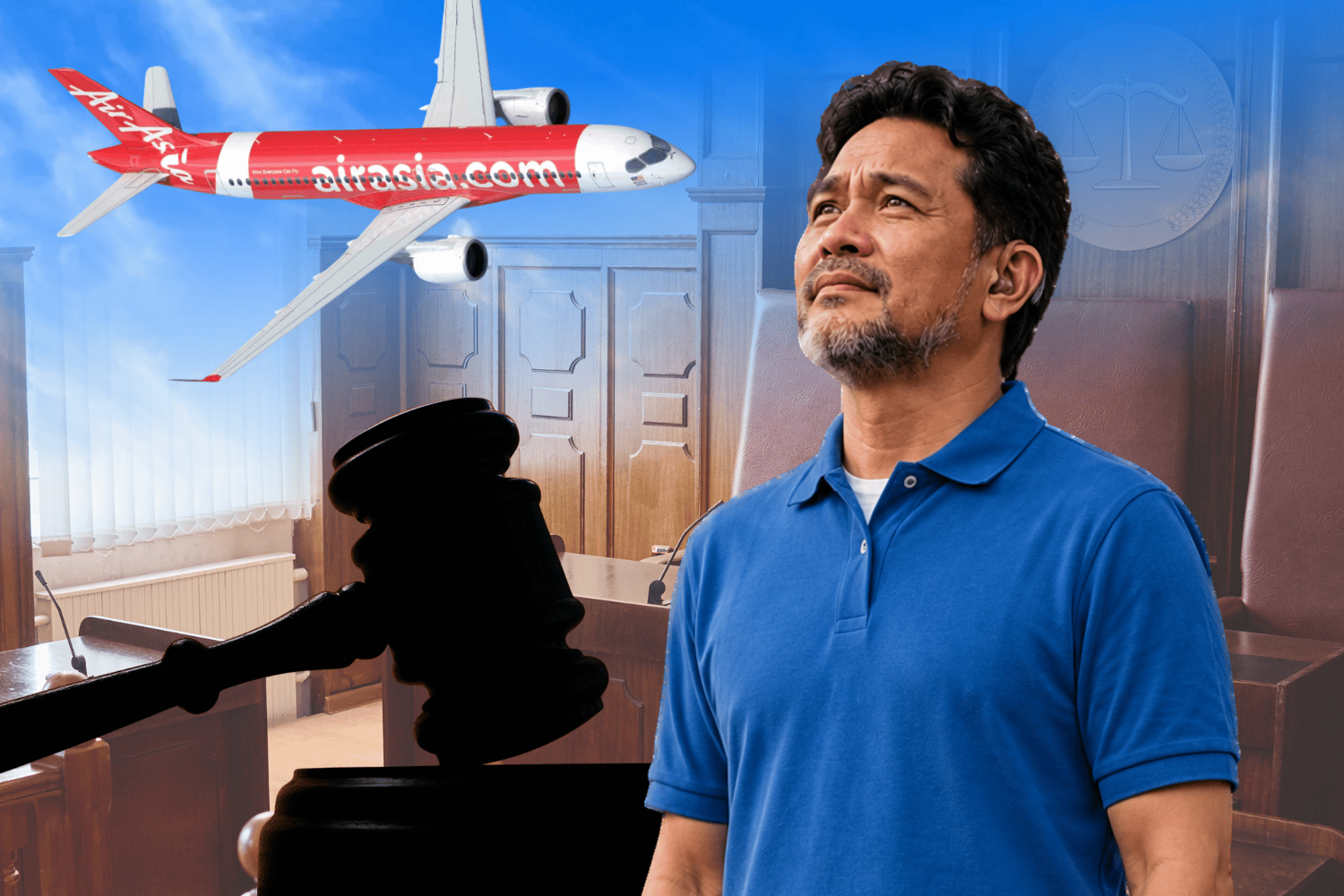
A former AirAsia senior cabin crew member has been convicted of criminal discrimination against a deaf passenger—following a legal battle that lasted nearly a decade.
In a decision dated Oct. 29, 2026—and obtained by radar on Nov. 4—Presiding Judge Maria Rowena Socrates of the Municipal Trial Court in Cities Branch 1 found Richie Rojas guilty of violating Republic Act No. 7277, or the Magna Carta for Disabled Persons. Rojas was ordered to pay a ₱50,000 fine.
The case stemmed from a May 30, 2017, incident at Puerto Princesa City International Airport, where Rojas ordered Khalil Haj and his two fellow deaf passengers off an AirAsia flight to Cebu. The three were traveling to attend a Filipino Sign Language Association conference.
Haj challenged the incident in court, arguing that Rojas had discriminated against him because of his disability.
Though the complaint was filed in May 2017, the trial did not begin until 2025. The decision attributed the delay to repeated appeals filed by Rojas and her legal team before the Supreme Court, which prevented the case from proceeding.
During the proceedings, AirAsia and Rojas also offered Haj a ₱500,000 settlement and free flights with the airline.
Haj refused to withdraw the case—and opted to pursue accountability for the discrimination he experienced.
2017 offloading incident
Haj and his companions were preparing to board AirAsia Flight Z2 546.
After a brief seating mix-up, the group was guided to their assigned seats in Row 2. Rojas then demanded that they produce an able-bodied, hearing companion.
When Haj explained that they were traveling independently, she ordered them off the plane. The flight left without them.
Rojas argued that she acted out of concern for flight safety, claiming the passengers’ inability to hear audio announcements posed a potential hazard.
Judge Socrates, however, questioned why the passengers were treated differently from others who make boarding mistakes.
“This mistake is possible or even common among illiterate passengers, senior citizens, passengers unused to other alphabets/scripts or first time travellers, but they are not branded as security threats,” the decision read.
‘Safety problem’
The judge also pointed out that Rojas’ decision to confront the group again after they had been guided to their seats “indicates that she considered them as a safety problem simply for being deaf.”
Socrates further cited AirAsia’s own Ground Operations Manual, which describes a deaf passenger “is considered as self-reliant passenger” and allows them to refuse escort assistance.
An able-bodied companion is required only for groups of four or more deaf passengers; Haj’s group had three members.
“In other words, airline procedures are not designed in such a way as to bar deaf passengers from taking airplane rides by themselves,” Socrates wrote.
‘Fierce look’
Rojas also claimed that Haj had given her a “fierce look” and displayed angry expressions. Socrates, however, considered the passenger’s experience of being singled out.
“She may have been offended,” the judge wrote. “[B]ut the complainant was probably offended too at being singled out and treated differently from the other passengers on the basis of their hearing disability.”
Although the defense maintained that Rojas had no malicious intent and was merely doing her job, the court found that she intentionally refused to transport Haj because of his hearing disability.
And even Rojas “may not have acted out of malice or with the intention to inconvenience or shame the complainant,” Socrates noted that the act constitutes a violation of RA 7277.
The judge also cited a Supreme Court precedent in emphasizing that when it comes to disability rights, “treatment is rooted not merely on charity or accommodation, but on justice for all.”
Refused settlement
Following the incident, AirAsia reportedly offered Haj ₱500,000 and free flights to settle the dispute.
While his two companions accepted the terms, Haj declined, saying that “no amount of money could compensate for the extreme discrimination he went through.”
During cross-examination, Haj also made clear that he was not seeking monetary damages for the discrimination, hurt feelings, or mental suffering he endured.
His decision to pursue the case was about securing justice and ensuring that deaf passengers would not be subjected to the same treatment.
Represented by interns
Haj was represented throughout the nine-year legal battle by student legal interns from the De La Salle University Legal Aid Clinic.
Their involvement put a team of aspiring lawyers up against a major airline, helping a deaf passenger pursue accountability for discrimination through years of legal proceedings.
Rojas may still appeal the MTCC conviction before the Regional Trial Court, with further review possible before higher courts under applicable procedures.
The ruling marks a potentially historic step in enforcing disability rights in air travel.
READ:

CebuPac questioned over lack of wheelchair assistance for senior
Top Dagohoy
August 11, 2026
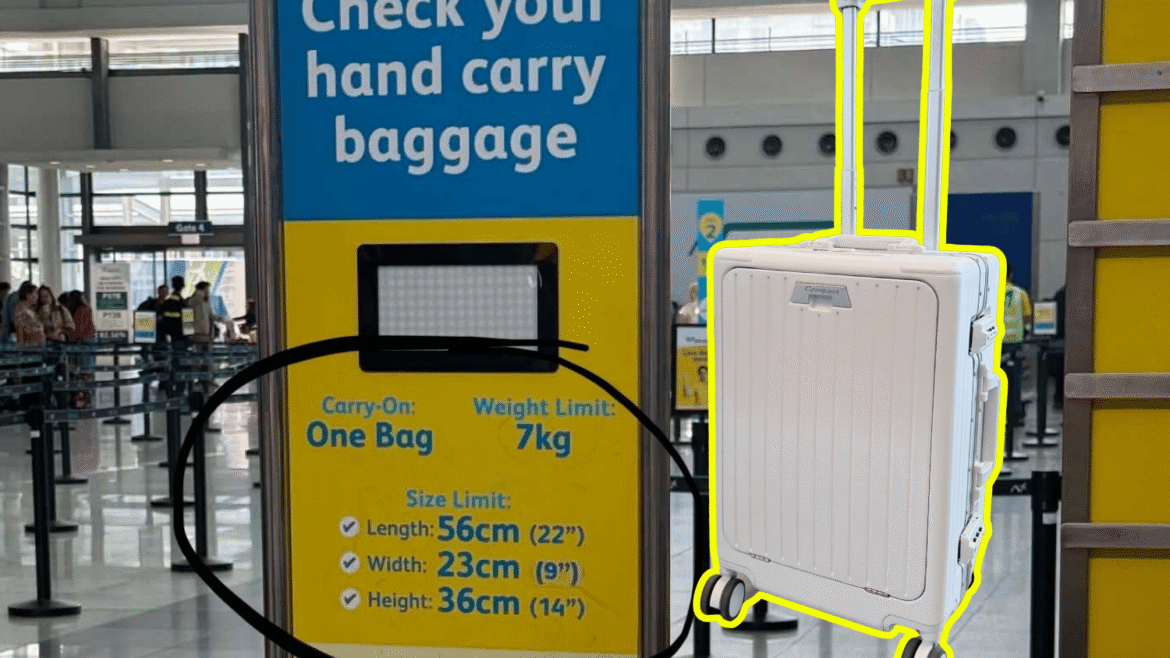
Passenger claims CebuPac almost charged her ₱2,500 for carry-on bag that met size limit
radar Business
June 21, 2026

OFW denied NAIA lounge entry after 31-hour journey from Miami
Nikko Miguel Garcia
August 8, 2026
Tags: AirAsiacebuDe La Salle University Legal Aid ClinicFilipino Sign Language AssociationKhalil HajMagna Carta for Disabled PersonsMaria Rowena SocratesMunicipal Trial Court in Cities Branch 1Puerto Princesa CityPuerto Princesa City International AirportRepublic Act No. 7277Richie RojasSupreme Court of the Philippines