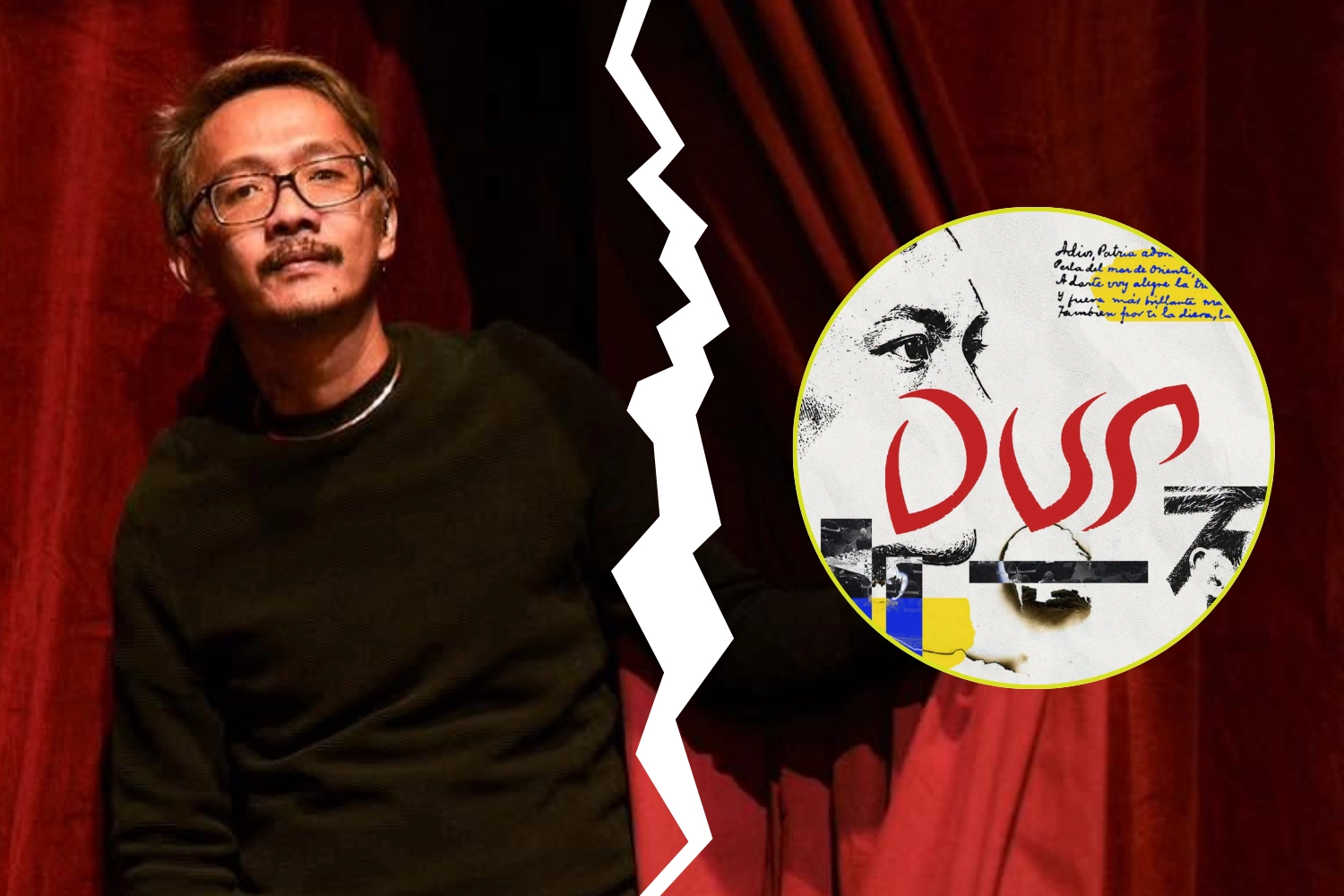
“While we respect the personal convictions of our Artistic Director and his right to express them through peaceful protest, we wish to clarify, however, that his decision is a personal act of expression and does not represent an official position or the collective sentiments of our organization and the whole student body,” the statement read.
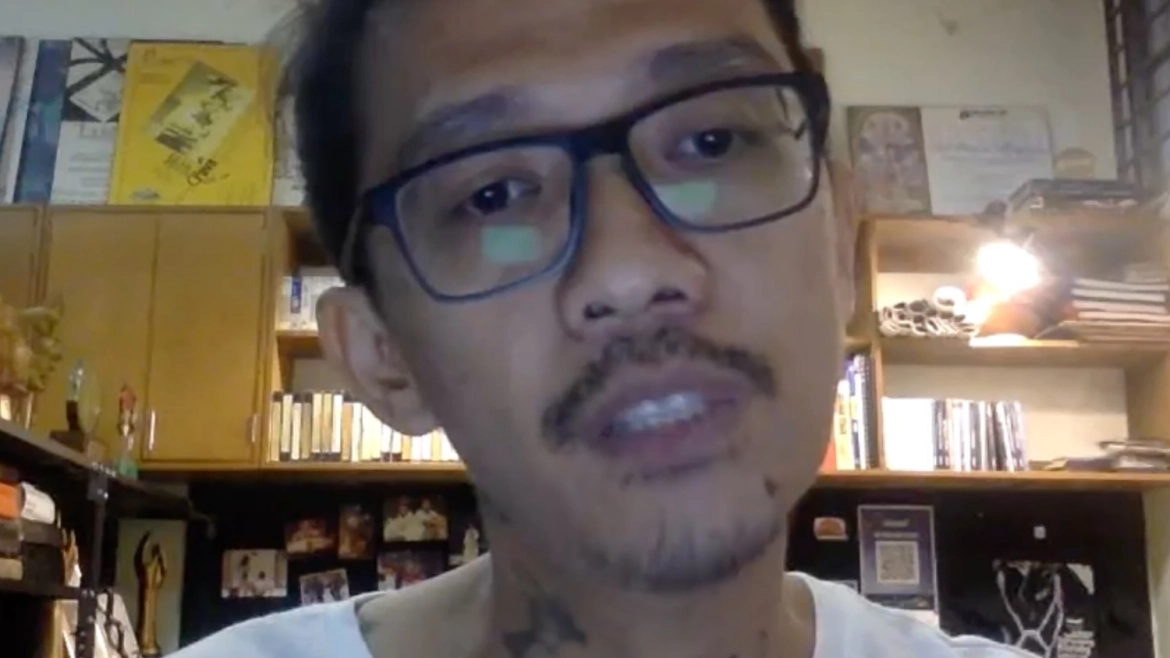
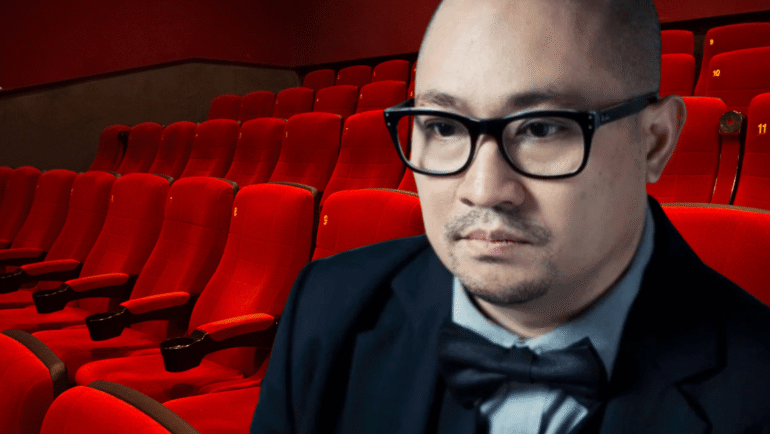
De Guzman, a Palanca awardee, announced a prolonged hunger strike inside the DUP office after reportedly receiving a termination notice on October 30.
He accused certain faculty members and administrators of retaliatory actions, student harassment, and violations of academic freedom stemming from disputes surrounding the theater company’s productions.
The controversy reportedly began during DUP’s 2025 production of “Mga Anak ng Unos,” when student complaints allegedly became instruments of internal political maneuvering.
De Guzman claimed these disputes contributed to the removal of former artistic director Issa Manalo Lopez and managing director Tess Jamias. These allegations have not been independently established.
He is demanding the resignation of the department’s current leadership, sanctions against faculty members he accuses of misconduct, and accountability for alleged injustices involving students and former DUP officials.
In its statement, DUP acknowledged longstanding institutional problems affecting theater productions, including overwhelming academic requirements, operational challenges, and tensions among stakeholders.
The organization said its faculty managers support reforms involving more student-oriented production protocols, curricular revisions, and improved treatment of faculty members handling productions.
“Still, we recognize that there are more problems that need to be resolved,” the statement admitted.
DUP also emphasized its commitment to dialogue rather than division.
“As a community of artists, we value the diversity of perspectives and remain dedicated to mutual understanding, constructive dialogue, and our shared artistic mission,” it declared.
The organization, which marks 50 years of theater-making at UP Diliman, maintained that its primary responsibility remains the welfare of students, audiences, and the wider artistic community.
While DUP has acknowledged the institutional concerns, its statement did not directly address the specific accusations against faculty members or the reported termination of De Guzman.
The dispute now places one of the country’s most respected university theater organizations under scrutiny over how it handles internal grievances, artistic leadership, and student welfare.