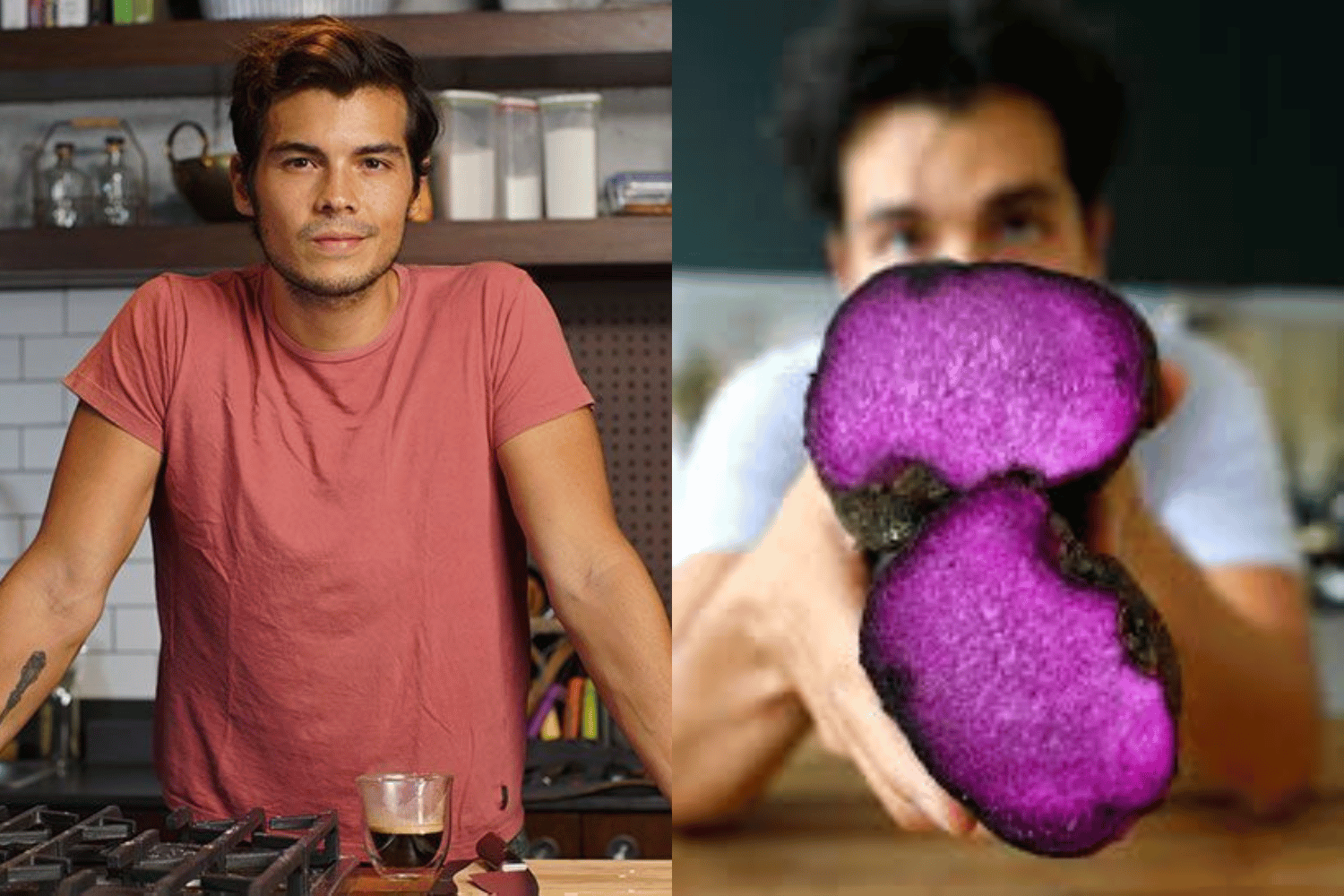
Erwan Heussaff spotlights ube’s global boom, posing with the iconic purple yam while warning about supply strain and industry challenges ahead. Photo by Erwan Heusaff / Facebook
Erwan Heussaff flags ube shortage risks as global demand spikes, hints at deeper industry issues beyond viral food trends.
As ube continues to dominate menus, recipes, and social media feeds around the world, culinary entrepreneur Erwan Heussaffis urging people to look beyond the trend and understand the realities facing the industry behind the beloved Filipino root crop.
In a recent post, Heussaff noted that while videos about ube’s growing popularity seem to appear every day, many of them repeat what he described as false narratives.
Everyday I see a new video uploaded about the popularity of Ube, but a lot of it seems to be repeating false narratives about our much beloved root. Hope this clarifies a few things for you! Over the next few months we will be chasing Ube stories in Leyte, Bohol, Bukidnon and Ilocos to understand the current supply issues of Ube. It's an interesting story filled with intrigue. We've heard tales of Corruption, Gatekeeping, Profiteering and Misinformation. All the elements for a very spicy documentary
“Everyday I see a new video uploaded about the popularity of ube, but a lot of it seems to be repeating false narratives about our much beloved root,” he wrote.
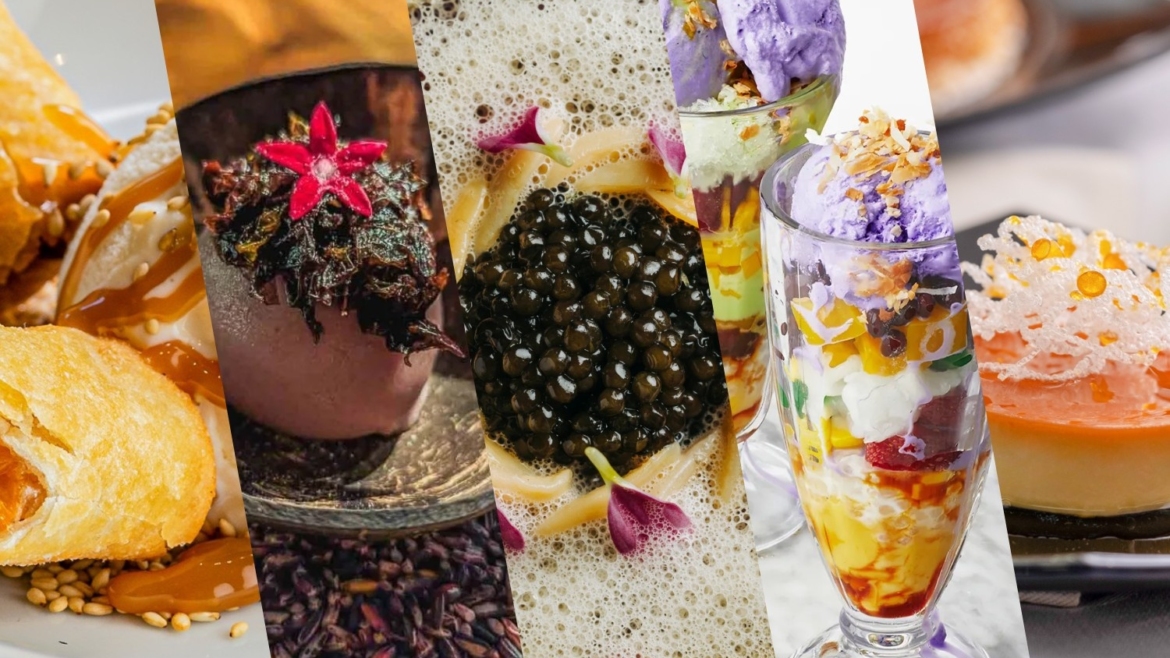
The food creator pointed out that ube’s rise on the international stage has created a growing imbalance between demand and supply. From ice cream and pastries to lattes and specialty desserts, the purple yam has become one of the most recognizable Filipino ingredients worldwide. However, production has struggled to keep pace with its popularity.
According to Heussaff, the issue goes beyond viral recipes and food trends. Behind the growing demand are farmers and producers navigating supply challenges that deserve closer attention.
To better understand the situation, Heussaff revealed that his team will be traveling to Leyte, Bohol, Bukidnon, and Ilocos in the coming months to investigate the current state of ube production and supply.
He hinted that the story may involve more than just shortages, citing reports of corruption, gatekeeping, profiteering, and misinformation within the industry.
“It’s an interesting story filled with intrigue,” he said, teasing what could become a revealing documentary about one of the Philippines’ most sought-after agricultural products.
As ube’s global popularity shows no signs of slowing down, Heussaff hopes to separate fact from fiction and shine a spotlight on the people and systems behind the country’s most famous purple crop.