The greatest reward for artists is having their work appreciated while they are still alive.
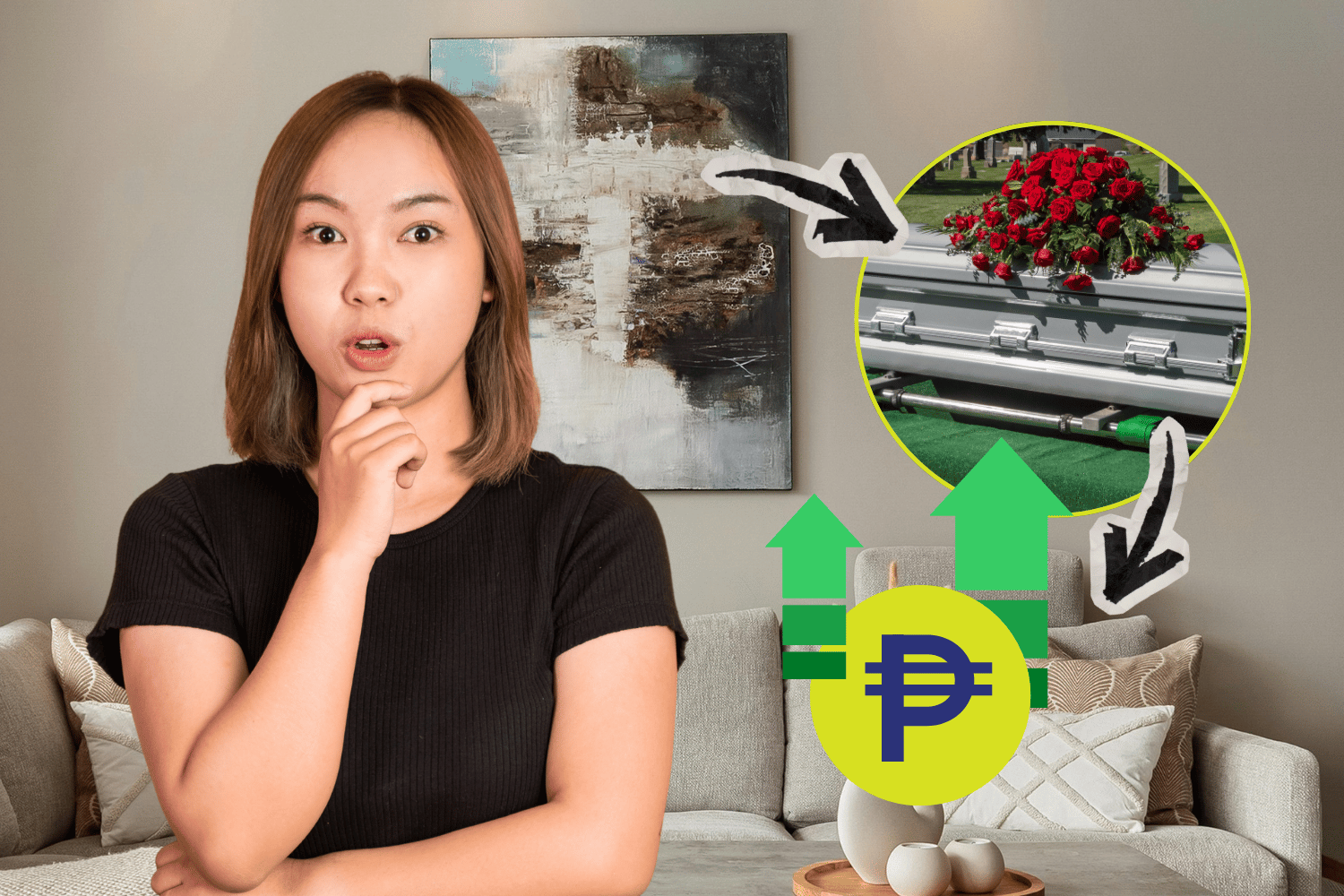
You glance at the painting hanging in your sala—the one you’ve passed by every day for years without giving it much thought. Then your phone buzzes.
The artist has just died.
Your first reaction is sadness. After all, someone who spent a lifetime creating beauty is gone.
But almost immediately, another thought sneaks in.
“Does this mean my painting is worth more now?”
It may sound cold, even uncomfortable, but in the art world, it’s a question asked more often than many would admit. In fact, the phenomenon even has a name: the “death effect.”
When an artist can no longer create
The biggest reason artworks often become more valuable after an artist dies is surprisingly simple.
The artist can never produce another piece.
The supply has become permanently fixed.
Unlike a luxury brand that can manufacture more bags or a car company that can build another model, an artist’s output ends forever the moment they pass away. Every painting, sculpture, or sketch instantly becomes part of a finite collection.
If demand remains strong—or grows—prices naturally follow.
Death also creates demand
An artist’s passing often triggers a wave of renewed attention.
News reports, obituaries, museum retrospectives, documentaries, and social media tributes remind people of the artist’s legacy. Collectors who had been waiting decide it’s time to buy, while longtime admirers suddenly fear they’ll never have another chance to own an original work.
This surge in public interest often pushes demand higher just as the supply becomes permanently limited.
Galleries play the long game
Art galleries, dealers, and an artist’s estate also understand how the market works.
Instead of releasing every remaining artwork at once, they often control how pieces enter the market. Flooding collectors with too many works could drive prices down, while gradually releasing them helps preserve scarcity—and higher values.
In the art world, rarity is one of the biggest drivers of price.
But it doesn’t happen to every artist
The “death effect” is real, but it isn’t automatic.
Artists who struggled to gain recognition during their lifetime don’t necessarily become valuable simply because they have passed away.
Reputation still matters.
Collectors are generally willing to pay more for artists who already had established careers, museum exhibitions, critical acclaim, or a loyal following.
Even then, the increase isn’t always permanent. Studies have found that prices often surge immediately after an artist’s death because of emotion and media attention, only to stabilize—or even decline—a few years later once the initial excitement fades.
Art is more than an investment
This creates one of the art world’s strangest paradoxes.
For collectors, an artist’s death may increase the financial value of the painting hanging on their wall.
For artists, however, the greatest reward has never been higher auction prices after they’re gone, but having their work appreciated while they are still alive.
In the end, a painting may indeed become more valuable after its creator dies.
But the person who devoted a lifetime to creating it will never get to witness the admiration—or benefit from the price it eventually commands.
READ: