One viral mistake can ruin one’s whole image in today’s digital world.
One day, you’re a rising star with brand deals, fan pages, and a thriving career. The next, your name is trending for all the wrong reasons, companies are issuing statements distancing themselves from you, and thousands of followers are hitting the unfollow button.
That is the brutal reality of being “cancelled” in the age of social media.
The recent controversy involving Brandon Espiritu and Jether Palomo offers a textbook example of how quickly a celebrity’s fortunes can change online.
The two found themselves at the center of a social media firestorm after a podcast discussion on beauty pageants sparked accusations of elitism and insensitivity. Brandon drew criticism after suggesting that Filipino pageantry’s dominance on the international stage was largely due to the presence of contestants with foreign ancestry. To many pageant fans, the remarks diminished the achievements of generations of Filipina queens who succeeded through talent, preparation, and the strength of the Philippine sash rather than mixed heritage.
As clips circulated online, criticism intensified. What began as disagreement quickly evolved into a full-blown cancellation campaign.
The first thing to disappear: Money
The most immediate consequence of cancellation is often financial.
Brands spend years cultivating trust with consumers. The moment a celebrity becomes controversial, that partnership can become a liability. In Brandon’s case, companies wasted little time issuing statements clarifying that they did not share the views expressed and distancing themselves from the controversy.
In the influencer economy, image is currency. Once public perception turns negative, sponsorships, endorsements, and collaborations can evaporate almost overnight.
The great distancing
The second phase is professional isolation.
Business partners begin stepping away. Collaborators stop interacting publicly. Invitations disappear. Future projects become uncertain.
In today’s entertainment landscape, silence itself becomes a statement. People who once appeared alongside a celebrity suddenly become invisible.
The goal is simple: avoid becoming collateral damage.
The unfollowing begins
Perhaps no symbol of modern cancellation is more visible than the unfollow button.
As outrage grew, fans began unfollowing Brandon and Jether on social media. What might seem trivial is actually a powerful public gesture. Every unfollow signals disappointment, disapproval, or rejection.
In a world where follower counts are tied to influence and earning power, mass unfollowing becomes more than symbolic. It directly affects a celebrity’s market value.
The mental toll nobody sees
Beyond the financial and professional consequences lies the psychological impact.
Unlike controversies in previous decades, modern scandals never sleep. Criticism is available twenty-four hours a day. Screenshots circulate forever. Reaction videos multiply. Every post becomes a potential battleground.
For public figures, the experience can be intensely isolating. Friends become cautious. Colleagues become distant. Even supporters may hesitate to speak up.
The result is a level of public scrutiny that few people are prepared to handle.
The apology era
Most cancellation stories eventually arrive at the same crossroads.
Should the celebrity apologize?
Public apologies have become an expected part of the rehabilitation process. Some work. Many don’t. The public often judges not only the apology itself but whether it feels sincere, timely, and accompanied by genuine reflection.
Brandon eventually clarified his statements and expressed regret over how his comments were interpreted. But by then, the backlash had already taken on a life of its own.
Is anyone ever really cancelled?
Despite the dramatic headlines, cancellation is rarely permanent.
History shows that audiences often forgive. Public outrage fades. New controversies emerge. Formerly cancelled celebrities frequently find ways to rebuild their careers through humility, time away from the spotlight, or a gradual return to public life.
The real question is not whether Brandon Espiritu and Jether Palomo will recover.
It is how much the controversy will cost them before they do.
Because in today’s attention economy, fame is no longer measured by how many people follow you.
It’s measured by how many people decide to stay when things go wrong.
READ:
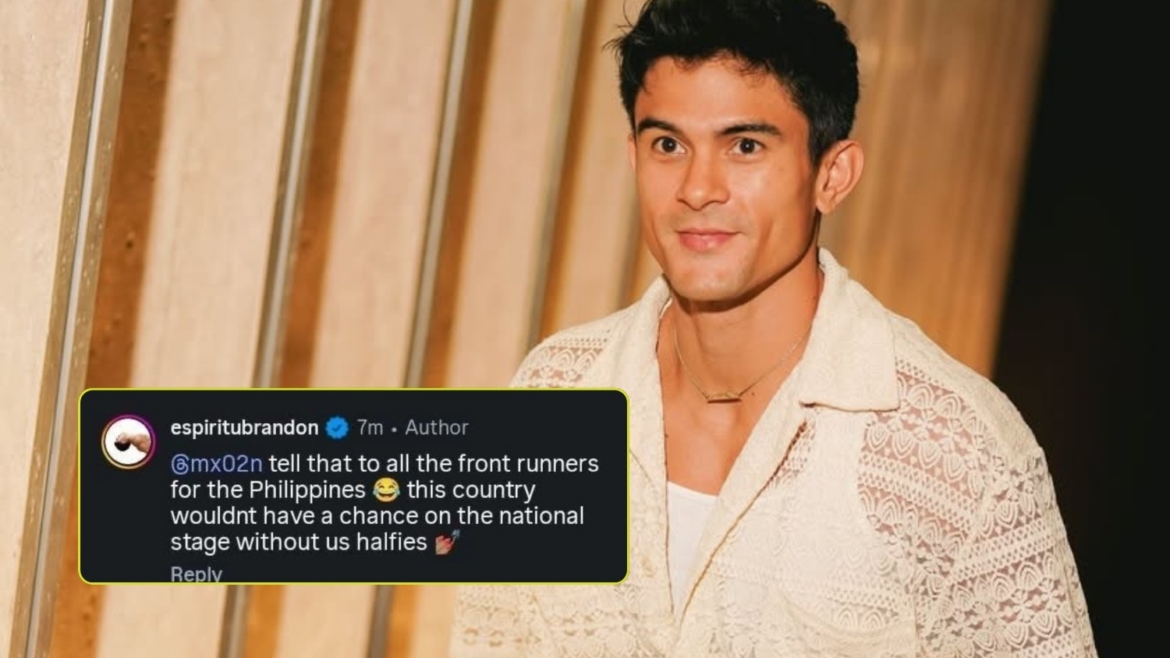
Brandon Espiritu’s ‘halfies’ remark sparks debate, fellow beauty queens respond
Kiko Escuadro
June 11, 2026

Pageantry becomes new platform for wellness-led beauty brands
Kiara Gorrospe
May 28, 2026
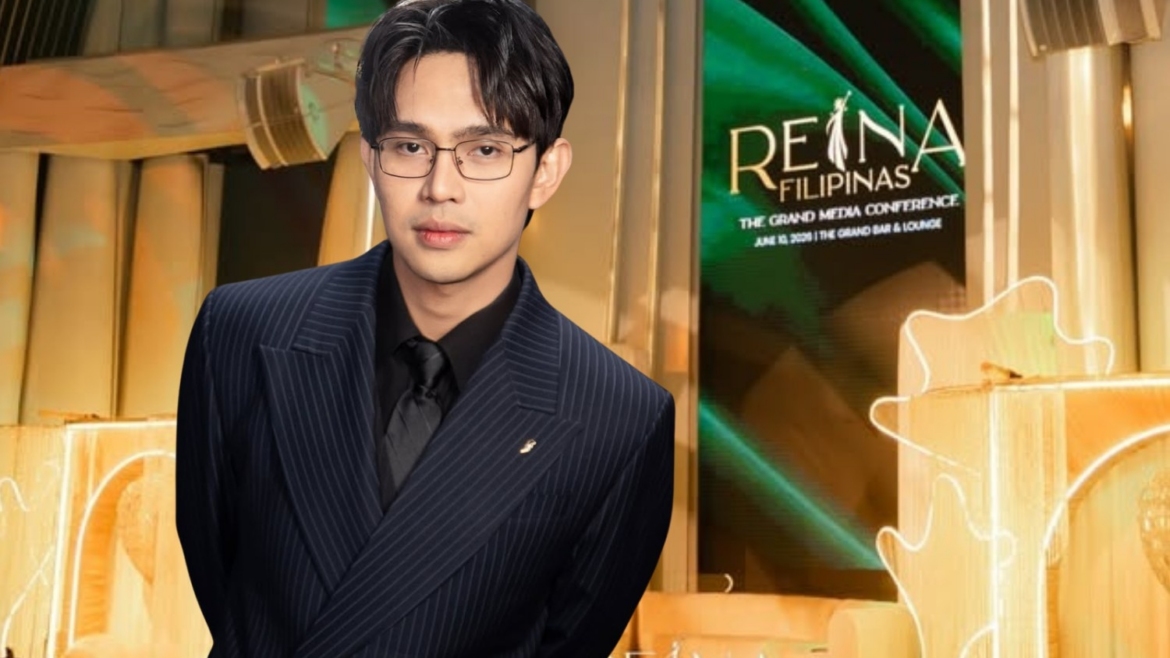
Designer Jojo Bragais enters crowded pageant scene with launch of Reina Filipinas
Kiko Escuadro
June 10, 2026