Oil Deregulation Law leaves pump prices at the mercy of global market forces.
With oil prices having more than doubled in just a few weeks, Filipinos with tight budgets are asking how fuel costs are determined—and by whom.
Fuel prices in the country fluctuate frequently under the Oil Deregulation Law, which removed government control over pricing and opened the industry to competition in 1998. The policy was meant to encourage efficiency and prevent supply shortages, but it also tied local prices more closely to global movements.
Why your tank is at the merch of global events
Under the law, oil companies set pump prices based on international benchmarks, factoring in crude oil costs, exchange rates, freight charges, and supply disruptions. Oil firms that import fuel are also allowed to increase the price of their old stock to anticipate future fuel prices under the “replacement cost” strategy, a practice that often draws scrutiny when prices rise sharply.
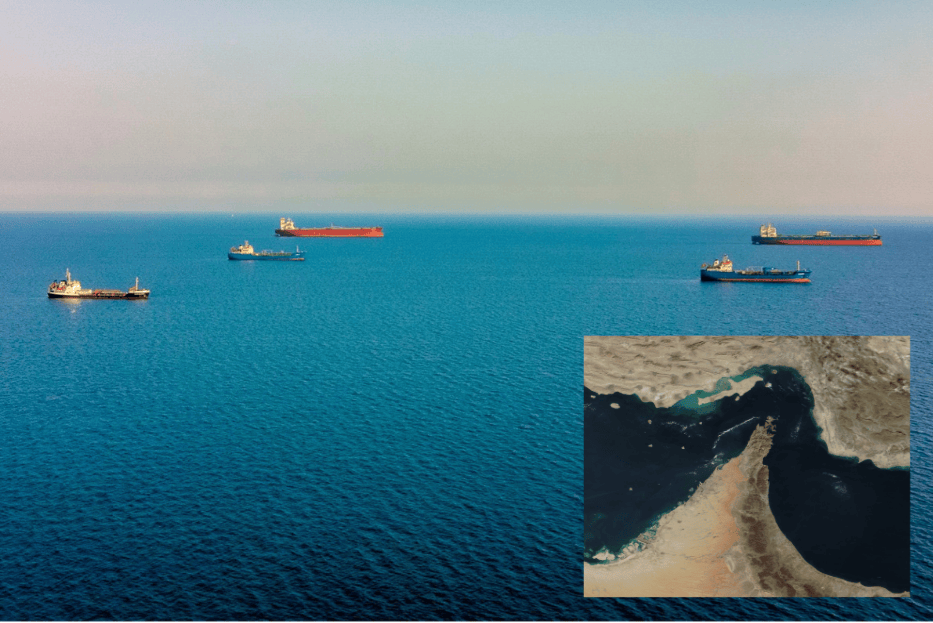
This means local prices can move quickly in response to global events, including geopolitical tensions, production cuts by major oil-producing countries, or disruptions in key shipping routes. Even a weaker peso can push pump prices higher, as fuel imports are paid in US dollars.
Before deregulation, the government directly controlled fuel prices. Today, its role is limited to monitoring, ensuring fair competition, and preventing anti-competitive practices, rather than setting prices.
To cushion the impact, the government can roll out targeted measures such as fuel subsidies for transport groups or temporary tax adjustments. However, these are optional and depend on the discretion of the executive branch, often shaped by fiscal space and broader economic priorities.
While deregulation encourages competition among oil firms, it also exposes consumers to price volatility, especially since the country relies heavily on imported fuel.
As the 2026 energy crisis pushes fuel prices to historic highs, the 1998 Oil Deregulation Law remains the primary barrier preventing the Philippine government from direct price intervention.
READ: