“Bago gawing ‘standard’ sa Pilipinas ang paggamit ng metric system sa pagsusukat ng mga bagay-bagay, napakarami nating mga batayang panukat na ginagamit sa kalakalan at mga gawain sa komunidad,” ScienceKonek wrote.
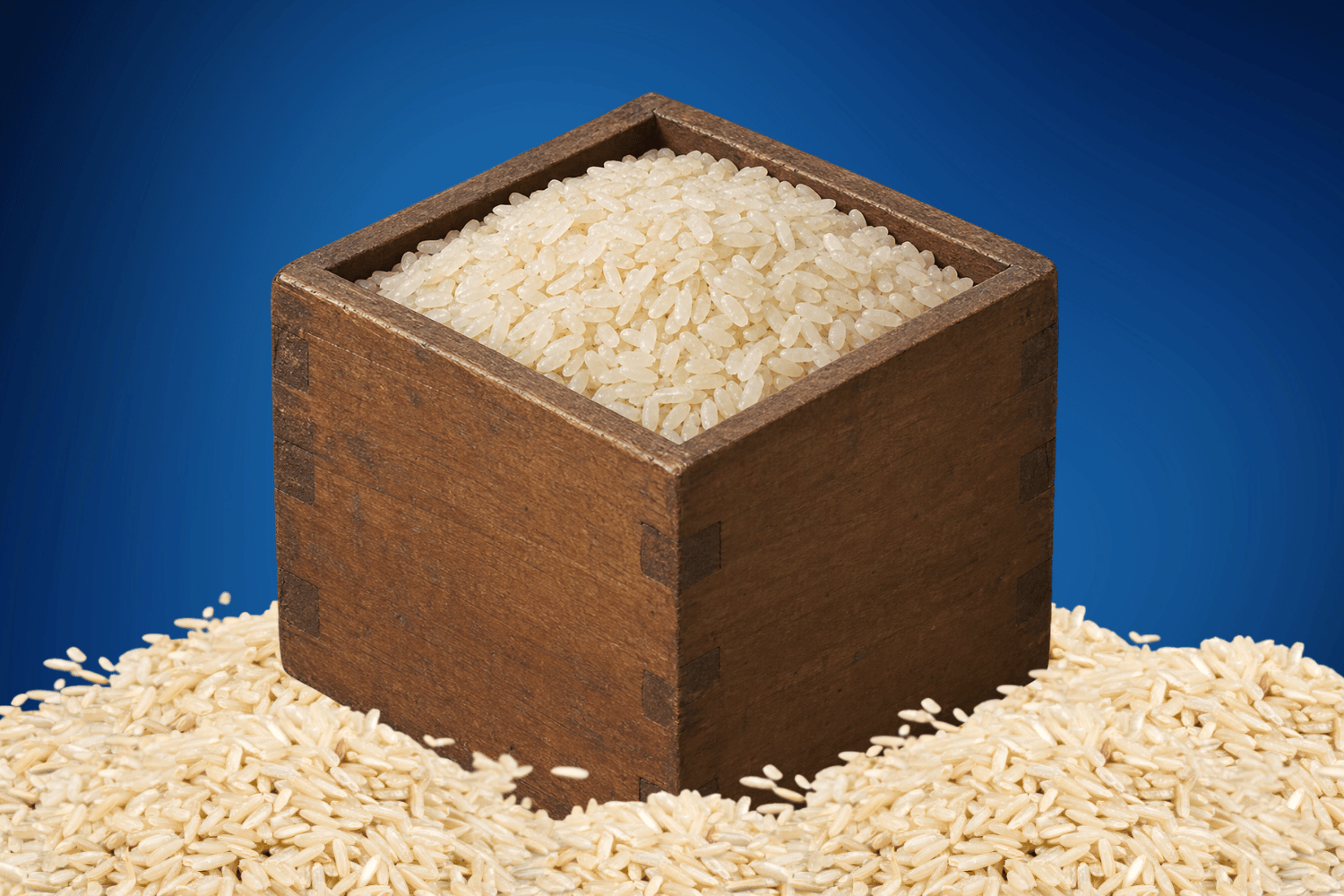
Citing the Komisyon sa Wikang Filipino’s Diksiyonaryo ng Wikang Filipino, the organization explained that the word, borrowed from the Spanish chupa, refers to a “panukat ng mga butil, gaya ng bigas, mais, at munggo.”
One tsupa is equivalent to 3.75 milliliters, while eight tsupa make up a “ganta,” according to the post.
The other tsupa
But the trivia prompted giggles online, with users leaving “Haha” reactions and funny comments on the post.
The reason? Tsupa is also a slang term for fellatio or oral sex. Diksiyonaryo.ph defines it as the act of “pagdila o pagsupsop ng uten.”
The distinction comes down to the tuldik, or diacritical mark, which indicates stress in Filipino words.
The unit of measurement is tsúpa, with the stress on the first syllable. The sexual act is tsupâ, with the stress on the second.
The words are heteronyms—words spelled the same way but pronounced differently and carrying different meanings.
The KWF’s Manwal sa Masinop na Pagsulat explains that the tuldik pahilís (´) marks a sharper, faster stress, while the tuldik pakupya (ˆ) marks a swift, high-pitched stress that cuts off with an abrupt glottal stop.
In pronunciation, tsúpa sounds like CHOO-pah, while tsupâ sounds like choo-PAH.
Tuldik is often omitted in everyday Filipino writing, especially in text messages and social media posts. Context usually helps readers work out a word’s intended meaning, but stress marks can be important when distinguishing words that share the same spelling.
And for better or worse, leaving out the tuldik can leave plenty of room for creativity—and misunderstandings.
So, yes, Filipinos love cups and cups of rice, traditionally measured in tsúpa.
READ: