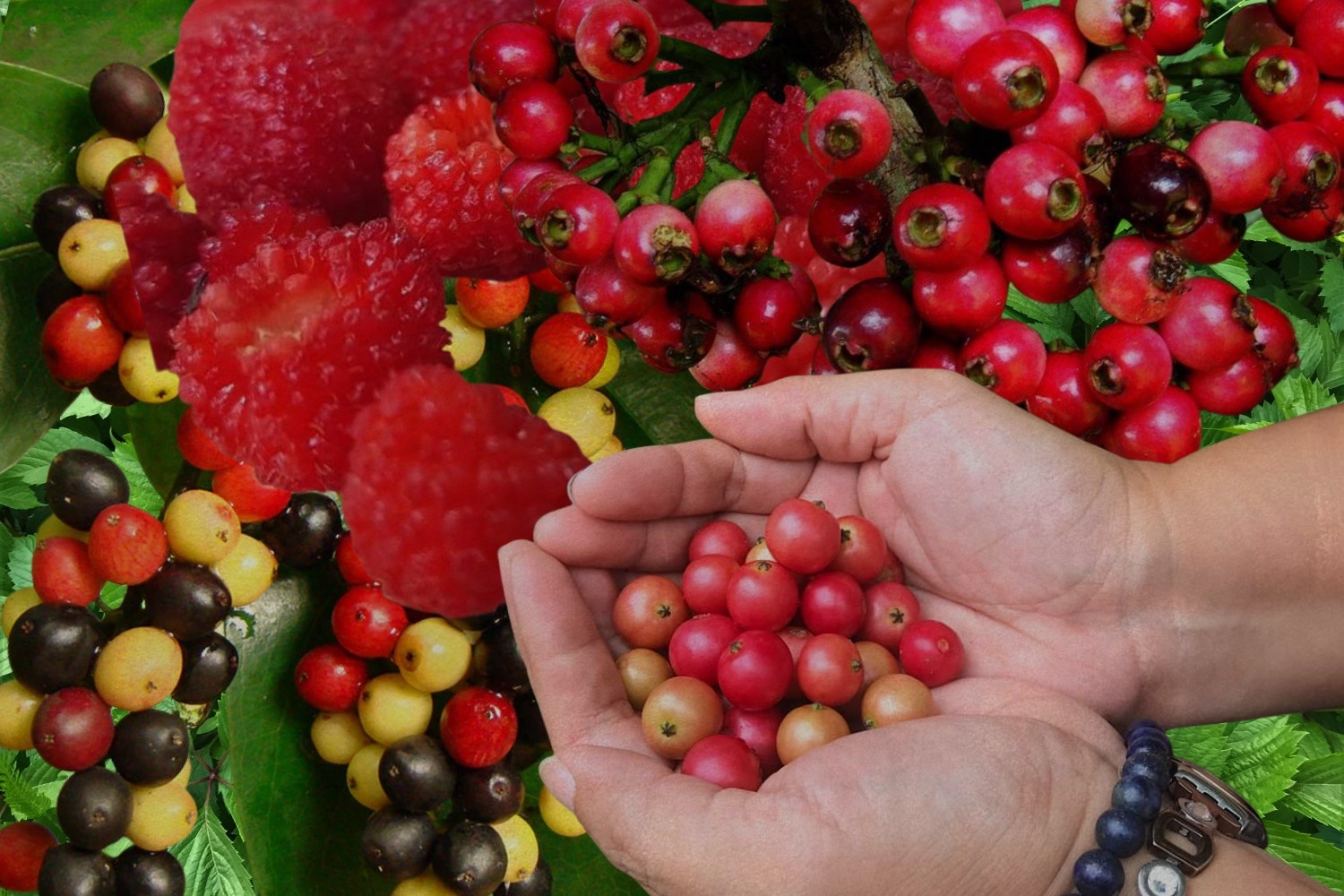
Many of these nutritious, indigenous fruits remain hidden in plain sight across the country’s forests and roadsides.
You’re hiking through a mountain trail in Benguet when you notice clusters of tiny purple fruits hanging from a shrub. A few meters away, bright red berries peek through thorny branches. They look tempting, but a question immediately comes to mind: Can you actually eat them?
The answer, surprisingly, is yes—at least for some of them.
While Filipinos are familiar with imported blueberries, raspberries, and blackberries, few realize that the Philippines has its own collection of wild edible berries hiding in forests, mountains, and even roadside lots. Many are packed with antioxidants and nutrients, yet remain largely unknown outside the communities that have gathered them for generations.
Researchers have increasingly turned their attention to these overlooked fruits. Through initiatives such as the Department of Science and Technology’s BerryPinoy project, scientists are exploring the nutritional and commercial potential of indigenous Philippine berries.
Sapinit
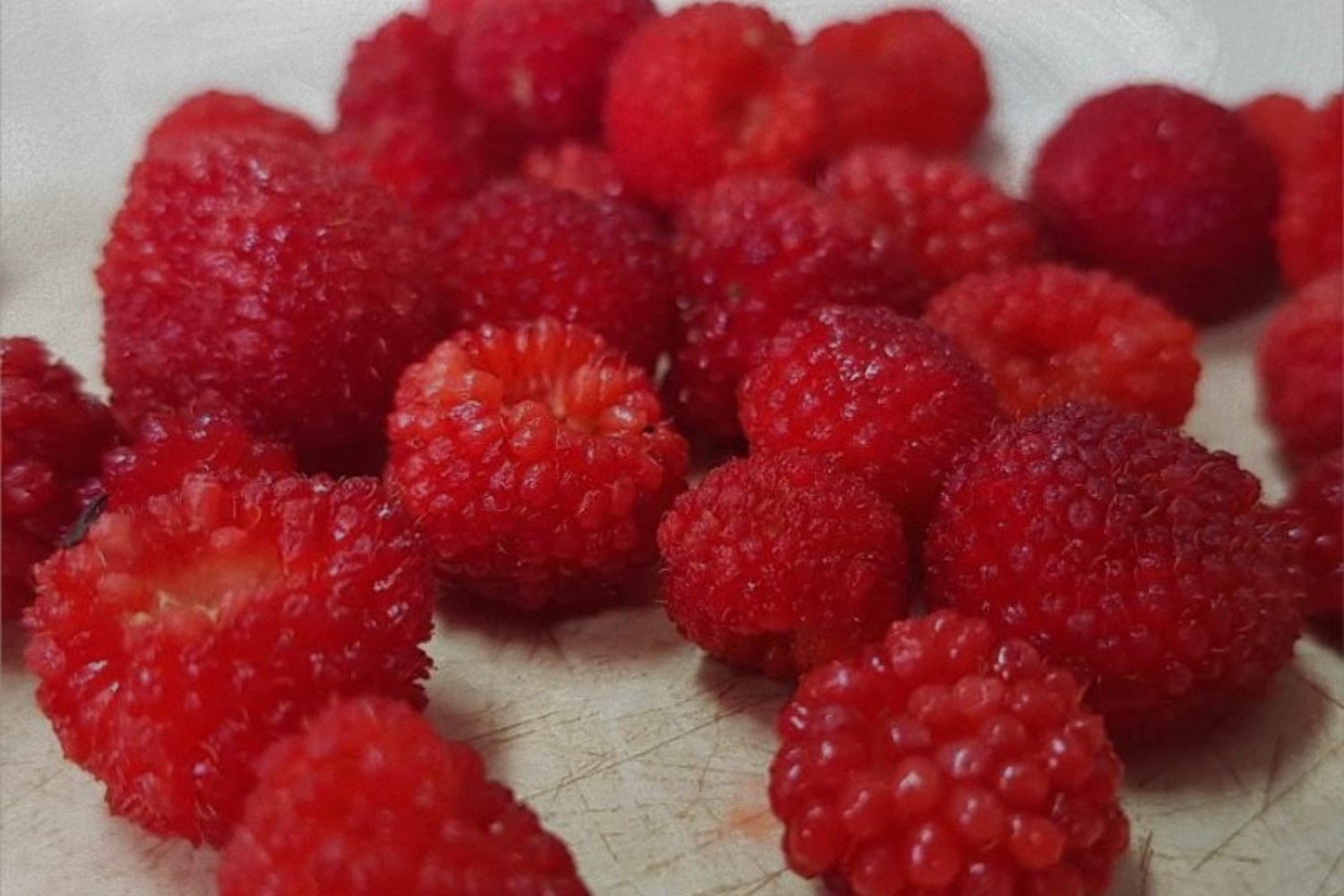
One of the most fascinating discoveries is sapinit, often called the Philippine wild raspberry. Growing in the highlands of Benguet, Kalinga, and parts of Luzon, the berry resembles its foreign cousins but has a distinctly tart and slightly sweet flavor. Locals have long transformed it into jams, juices, and wines.
Bignay
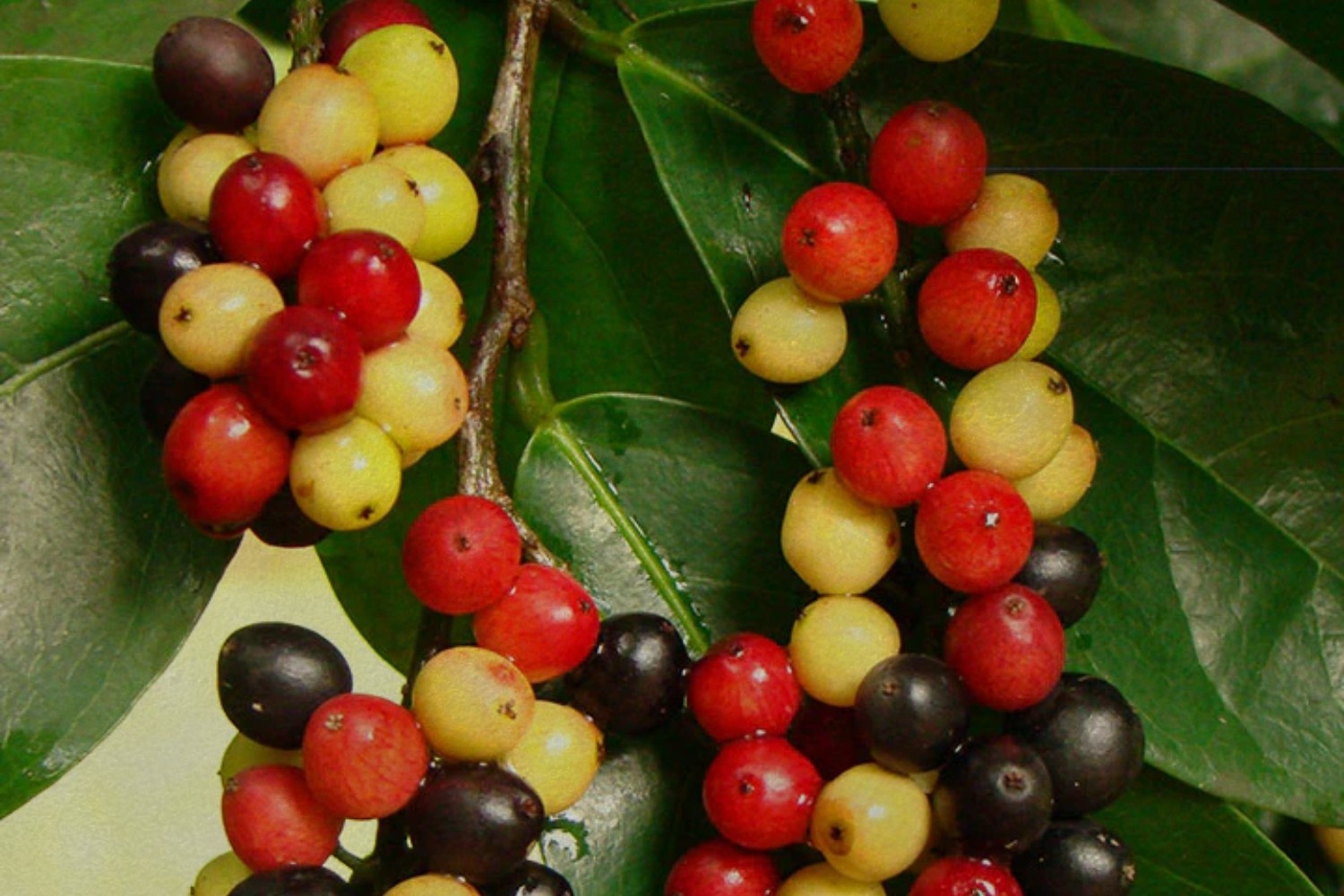
Another hidden gem is bignay, a berry that changes color as it ripens—from green to red to
deep purple. While some Filipinos know it as a wine ingredient, many have never tasted the fruit fresh from the tree. Researchers have identified it as a promising source of antioxidants and other beneficial compounds.
Lipote
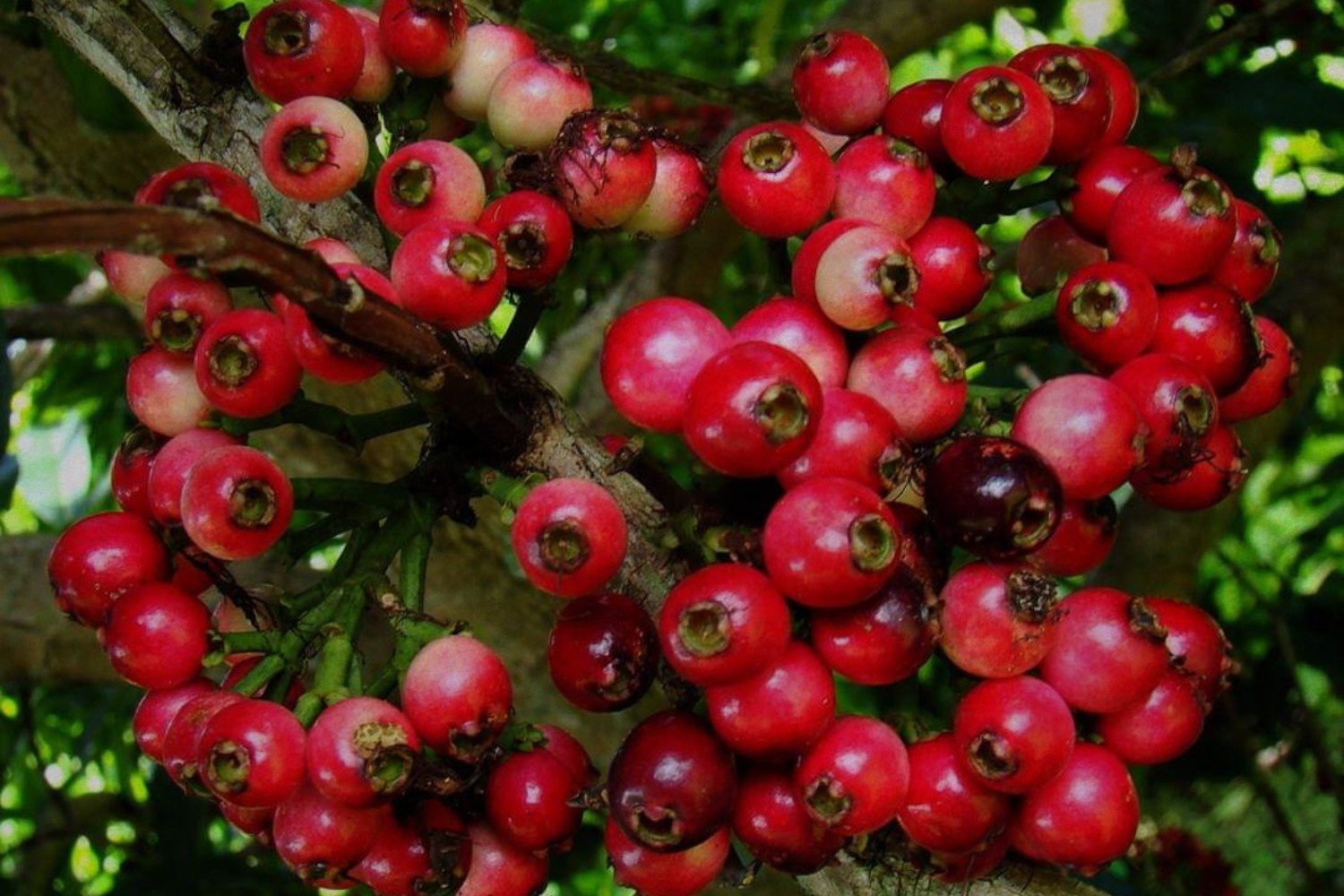
Then there’s lipote, a rare purple fruit related to duhat. Native to Philippine forests, it has attracted attention for its exceptionally high vitamin C and antioxidant content. Its tangy flavor makes it ideal for preserves and wines, though many urban Filipinos have never even heard of it.
Ayusip
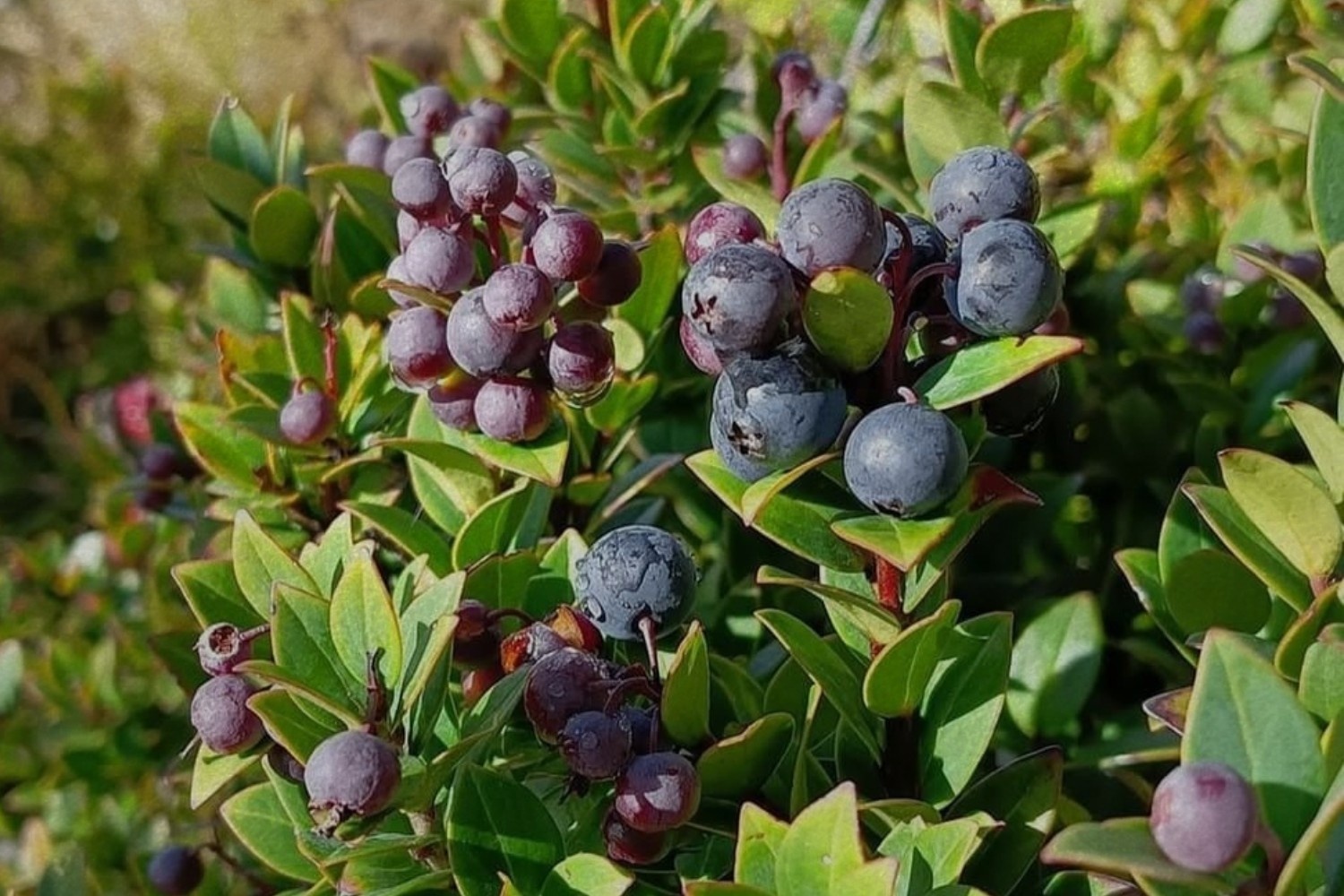
Perhaps the most surprising discovery is ayusip, a tiny wild berry found in the pine forests of the Cordilleras. Often described as the Philippines’ answer to the blueberry, it grows on low shrubs and is enjoyed by hikers and local residents as a trail snack.
Aratiles
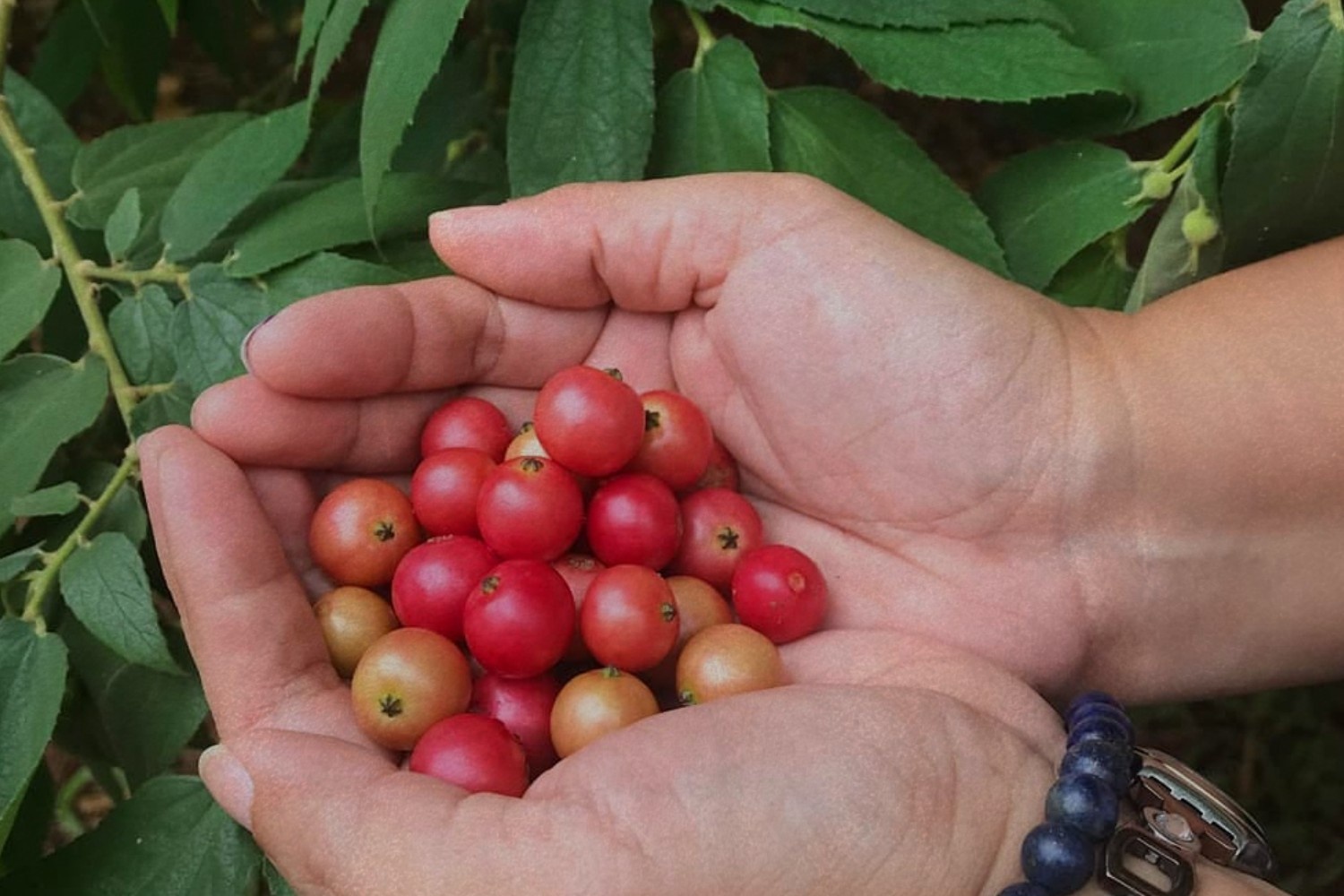
And then there is aratiles, the berry that many Filipinos unknowingly foraged as children. Found in vacant lots, roadsides, and backyards across the country, its sweet red fruits are among the easiest wild berries to find.
Together, these fruits reveal a side of Philippine biodiversity that remains largely unexplored. In a country obsessed with imported superfoods, some of the most promising fruits may already be growing in its own mountains and forests.
But experts offer an important warning: never eat a wild berry simply because it looks edible.
Several toxic plants produce fruits that can easily be mistaken for safe ones. Anyone interested in foraging should only consume berries that have been positively identified by experienced guides, botanists, or local experts.
Curiosity can lead to wonderful discoveries. But in the wild, knowing exactly what you’re picking can make the difference between finding a nutritious snack and making a dangerous mistake.