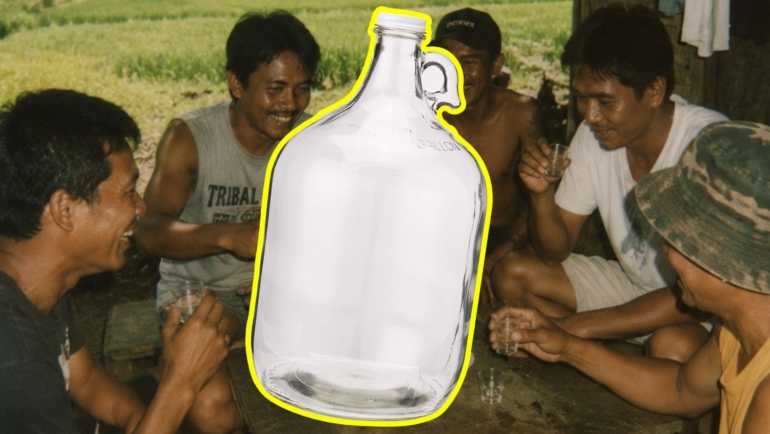
Filipinos have always found ways to carry their water.
There was a time when Filipino schoolchildren carried chunky plastic water jugs with handles, usually red or blue. Almost everyone called them “Coleman,” whether they were actually made by Coleman or not. And if yours had that mysterious white circle underneath, playground lore said you had the expensive imported version.
Today, the names have changed to AquaFlask, Hydro Flask, Stanley and Owala. But the water bottle’s role as a quiet status symbol is nothing new.
When water came from clay
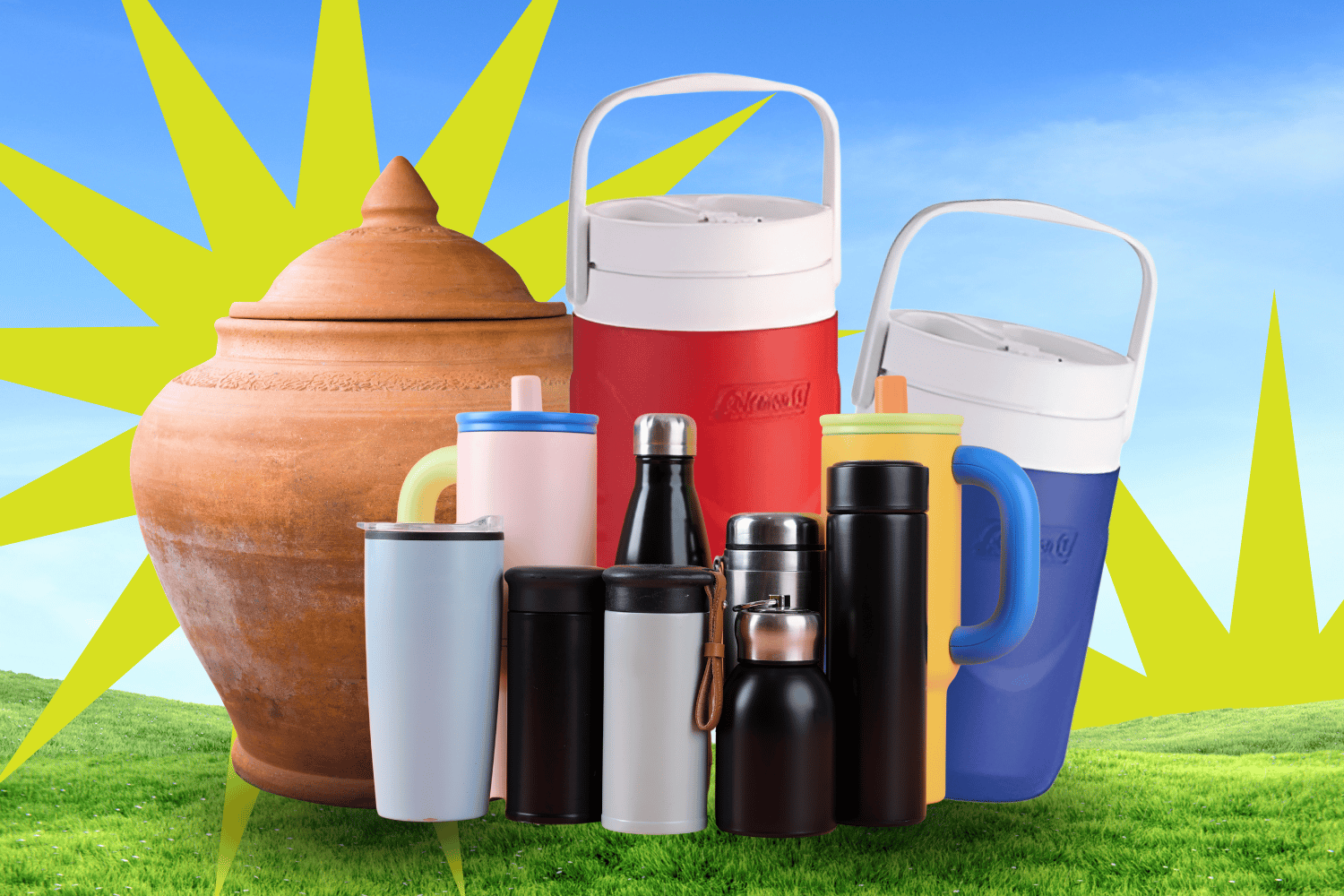
Before plastic bottles and vacuum insulation, Filipinos kept drinking water in banga and tapayan. The porous clay allowed some water to evaporate through the vessel, naturally cooling what remained inside—useful in a tropical country without refrigeration.
Bamboo also served as a practical container in some communities. Hollow sections could be fashioned into lightweight vessels that farmers and travelers could carry.
By the postwar decades, metal military-style canteens became more common, while glass-lined vacuum bottles found their way into Filipino homes. Thermos became so familiar that termos entered everyday Filipino vocabulary as a generic term for a vacuum flask, particularly one used to keep water hot for coffee or milk.
The Coleman years
Then came the water jug many Filipinos still associate with childhood.
By the 1980s and 1990s, the thick insulated plastic jug with a handle and flip spout was everywhere. Filipinos simply called it a “Coleman.” Focus Global, the Philippine distributor of Coleman, says it began officially distributing the American brand locally in 1991.
The jug became standard school equipment alongside the lunch box and backpack. It also went on field trips, family picnics, beach outings and long road trips.
And it did not always contain water. Many children remember filling their jugs with cold orange drinks such as Sunny Orange, Richy’s, Julep and Ponkana.
The Coleman even developed its own schoolyard status hierarchy. A long-running piece of Filipino nostalgia holds that jugs with a white rubber circle on the bottom were imported from the United States and therefore more expensive. Whether that was always accurate or simply childhood folklore, the belief itself says something: even then, children noticed the brand and version of the container their classmates carried.
The bottled-water boom
By the late 1990s and 2000s, convenience began winning over the bulky reusable jug.
Commercial bottled water became easier to buy almost anywhere, and brands such as Wilkins and Viva became fixtures in schools, offices, convenience stores and bus terminals.
Reusable containers remained, but cheaper plastic alternatives from local manufacturers such as Orocan gave families more choices. The giant school jug gradually lost its dominance as smaller bottles became easier to slip into bags.
Aquaflask takes over
The reusable bottle returned in a big way with double-walled stainless steel vacuum insulation. Hydro Flask established the premium aesthetic, while AquaFlask brought the trend to a much wider Philippine market through lower prices, multiple sizes and a huge selection of colors.
The flask quickly became ubiquitous in universities, offices and gyms. Stickers personalized them, colors were matched with bags and outfits, and new releases gave buyers another reason to upgrade.
A water container was no longer something you simply packed. It became something people noticed.
From Stanley to Owala
The latest wave brought the Stanley Quencher, with its oversized body, handle and straw, followed by Owala and its popular FreeSip design. Both benefited from social media, where tumblers became part of fashion, fitness and everyday lifestyle content.
The transformation is remarkable when viewed across generations. The banga kept water naturally cool. The Coleman survived an entire school day. Disposable bottles offered convenience. AquaFlask made vacuum insulation mainstream, while Stanley and Owala pushed hydration further into fashion and lifestyle territory.
From clay pots to colorful tumblers, Filipinos have always found ways to carry their water.
What changed is that now, the bottle can say almost as much as the clothes, shoes or bag of the person carrying it.
READ:

Language and culture signal class better than expensive logos
Top Dagohoy
August 8, 2026

Do you really have to drink 8 glasses of water a day?
radar Lifestyle
June 14, 2026

Five signs millennials have officially become the new titos and titas
Top Dagohoy
August 9, 2026