
How Gen Z fandoms turned celebrity friendships into viral “ships,” fan fiction universes, and full-blown online detective work.
There was a time when celebrity fandom was simple.
You liked an artist. You bought their album. You watched their shows. Maybe you printed a photo from an internet café and taped it to your notebook. Today, that’s no longer enough.
In modern fandom culture, especially among Gen Z Filipinos, admiration has evolved into something far more creative, and sometimes, far more chaotic.
Welcome to the world of fan shipping. Whether it’s #MaJah for Maki and SB19’s Justin, #MikhAiah for BINI’s Mikha and Aiah, #KenStell for SB19’s Ken and Stell, #JerMarcus for HORI7ON’s Jeromy and Marcus, or the more recent #CapKrys phenomenon involving “Pinoy Big Brother’s” Caprice Cayetano and Krystal Mejes, fans have become experts at finding chemistry in every glance, every interaction, and every accidental shoulder touch caught on camera.
A five-second eye contact can become a viral TikTok edit. A shared laugh can inspire a 30-chapter fan fiction. And a simple “Good luck” comment can send an entire fandom into collective hysteria. The question is: why are Filipinos so invested in ships? And more importantly, when does “layag” become too much?

The art of being delulu: Why fans love shipping
Filipinos have always loved stories. From teleseryes and rom-coms to Wattpad novels and fan fiction, we’re a nation built on kilig. We don’t just consume stories, we also continue them in our imaginations.
This is where shipping comes in. The term “ship” comes from the word relationship, referring to fans who want to see two people together, whether romantically or platonically. In the Philippines, shipping culture has evolved into an entire ecosystem complete with hashtags, fan edits, analysis threads, alternate universe stories, and fan fiction terminology that even outsiders might struggle to understand.
Words like “layag” and “lubog” have become part of everyday fandom vocabulary. A ship is “layag” when fans believe there is evidence supporting their pairing. A ship is “lubog” when reality threatens the fantasy. For some fans, being a shipper is almost like being a detective.
Every interaction becomes a clue.
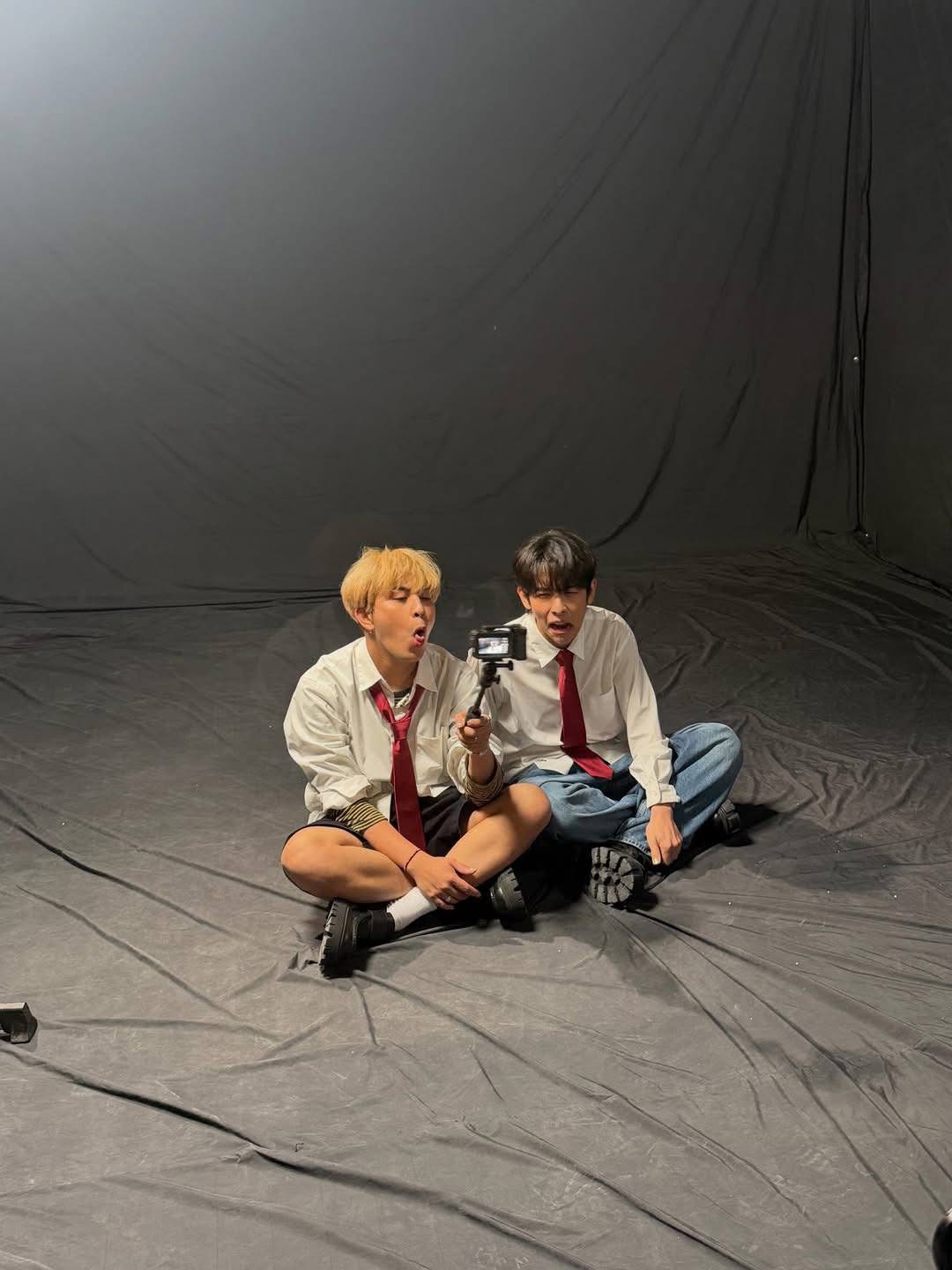
Every concert, livestream, and interview becomes evidence. And every accidental glance becomes a potential love story. This phenomenon is hardly unique to the Philippines. Korean fandom culture has long embraced ships like #ChanBaek, #TaeKook, and #MarkHyuck, turning friendship dynamics into global fandom discussions. Filipino fans simply adapted the culture and made it their own.
What makes local shipping unique is how deeply creative it can become.
Entire alternate universes are written around ships. Some stories rival actual novels in length. Others gain hundreds of thousands of reads online. For many fans, shipping isn’t really about romance. It’s about storytelling.
When ships create communities
At its best, shipping creates connection. Fans find friendships through shared interests. Communities form around common enthusiasm. Artists gain loyal supporters who actively promote their projects, music, and appearances.
Many fan-created spaces become safe environments where people can express creativity, improve their writing, learn graphic design, and build meaningful friendships.
Some even credit fandom communities for helping them through loneliness, anxiety, or difficult periods in their lives. This is partly why many artists acknowledge and even appreciate shipping culture.

Members of BINI have previously expressed that “fan shipping can be harmless fun as long as it remains within healthy boundaries,” and fans remember the difference between reality and fantasy.
Maki has echoed a similar sentiment regarding #MaJah, saying that shipping is fine—”but fans should never cross the line.”
That distinction matters. Because while fans may see shipping as entertainment, the people being shipped are still real human beings. Unlike fictional characters, they have personal boundaries, private relationships, and lives that exist outside fan narratives. Most healthy fandoms understand this. The best ships often thrive because fans recognize where fantasy ends and reality begins.
The problem of being a regular delulu
Of course, every fandom has that one person. The person who turns a two-second interaction into a 50-post Twitter thread. The person who zooms into reflections on sunglasses looking for “proof.”
The person who could probably solve national crimes if they redirected the same investigative energy elsewhere. This is where shipping can become problematic.

When fans become too emotionally invested, they may begin expecting real-life outcomes from imagined relationships. Some become disappointed when their ship interacts less frequently. Others direct negativity toward real-life partners, friends, or colleagues perceived as threats.
In extreme cases, fans stop seeing public figures as individuals and start viewing them solely through the lens of a ship. The irony is that the same passion that builds fandom communities can also create unrealistic expectations.
A ship that was once meant to be fun suddenly becomes something fans feel entitled to. And that’s where things become unfair. Because no matter how convincing an edit may be or how many “receipts” a fandom collects, the reality remains the same: Fans only see a fraction of someone’s life. The rest belongs to the people living it.
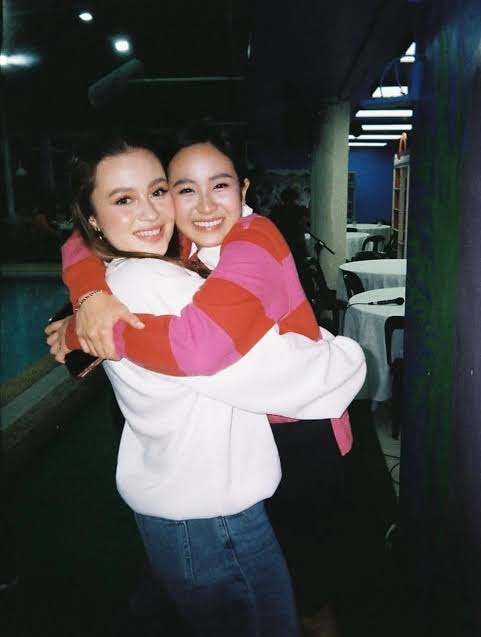
Still, despite the occasional chaos, shipping culture continues to thrive because it taps into something deeply human. Hope. Imagination. Connection. The desire to believe that maybe there is a story unfolding behind the scenes.
Perhaps that’s why Filipinos remain some of the world’s most dedicated shippers. We are romantics at heart. We grew up on love stories. We turn coincidences into plot twists. We create entire universes from a single interaction.
And while some ships eventually become “lubog,” others remain forever “layag” in the minds of fans. Because in the end, fandom was never really about proving something is real. It was about having fun imagining what could be.
And if being a little delulu brings people joy—as long as nobody crosses the line—then perhaps there will always be a captain steering the ship, a fandom ready to scream “LAYAG!” and a comment section prepared to overanalyze absolutely everything.