Skip to content Skip to sidebar Skip to footer

Navigating the Strait of Hormuz: How global oil shocks shape the Philippine market.

War is first and foremost a human tragedy. Any escalation in the Middle East carries consequences that extend far beyond financial markets and commodity prices.

Yet markets inevitably respond to geopolitical shocks. The current tensions involving Iran have once again drawn attention to global energy markets and the infrastructure that supports them.

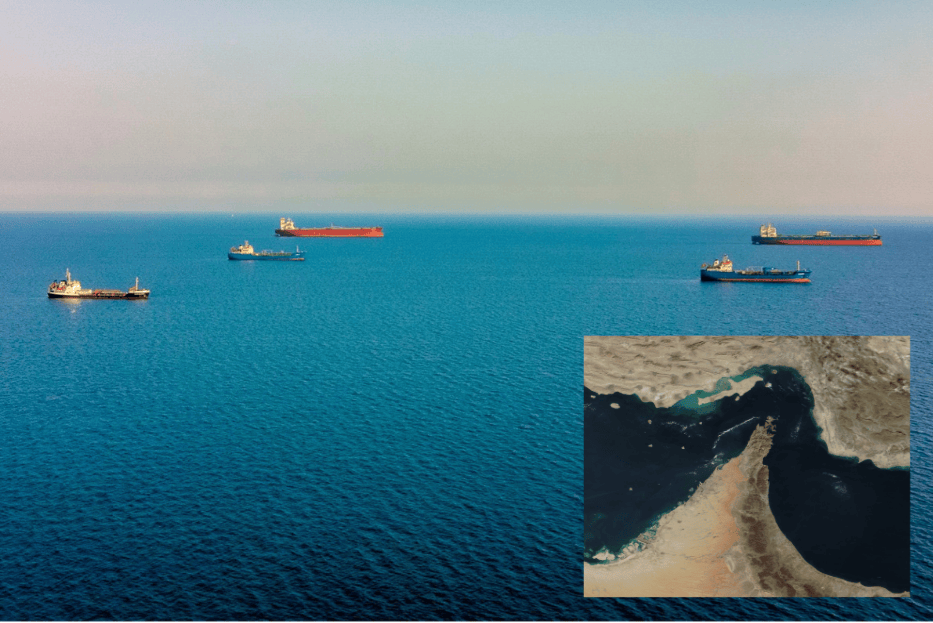
One focal point is the Strait of Hormuz, a narrow waterway through which a significant share of the world’s oil supply passes. When tensions rise in this region, markets often react quickly. Oil prices may increase, shipping costs may rise, and investors begin to anticipate broader economic effects.

Oil crises often become inflation shocks

Despite the dramatic headlines, oil crises historically behave less like permanent supply collapses and more like inflation shocks. Energy prices may spike in the short term, but global supply chains usually adjust over time.

Shipping routes may change. Production in other regions may increase. Strategic petroleum reserves may be released. While volatility can persist, energy markets often adapt faster than expected.

Why oil prices matter for the Philippine economy

For the Philippines, the economic transmission mechanism may be relatively direct. The country imports most of its fuel requirements.

When global oil prices rise, transportation costs, electricity prices, and logistics expenses may also increase. These pressures can feed into domestic inflation and influence the direction of monetary policy at the Bangko Sentral ng Pilipinas.

Higher interest rates, or delays in rate cuts, may follow. In turn, borrowing costs, consumer spending, and corporate earnings may adjust.

How investor preferences may shift

In this type of environment, investor preferences may begin to shift.

Periods marked by inflation risk and geopolitical uncertainty often lead investors to place greater emphasis on businesses with durable demand and stable operating cash flows. Companies that generate consistent earnings may become more attractive than those valued primarily on distant growth expectations.

 

Even as global oil shocks push transportation and logistics costs higher, the consumer staples sector remains a cornerstone of the Philippine market. Households may cut back on luxury spending, but demand for everyday essentials remains largely inelastic, providing a buffer for investors during inflationary cycles.


Sectors that may show greater resilience

Within the Philippine market, this dynamic may appear in sectors that generate relatively steady cash flows.

Consumer-oriented businesses such as Puregold Price Club, Century Pacific Food, and Monde Nissin sell everyday goods that households continue to purchase even during uncertain economic conditions.

Utilities may offer another example. Electricity distributors such as Manila Electric Company operate within regulatory frameworks that may provide relatively stable earnings. Power generation companies, including Aboitiz Power Corporation and First Gen Corporation, may also benefit from long-term supply agreements that create visibility over revenues.

Banks may likewise remain resilient when interest rates stay elevated. Institutions such as BDO Unibank, Metropolitan Bank & Trust Company, and Bank of the Philippine Islands may maintain healthy lending spreads when loan yields adjust faster than deposit costs during the earlier stages of higher interest rate cycles.

The role of valuation

Even so, the quality of a business does not automatically make it a good investment. Valuation still matters.

Strong companies may become poor investments if their share prices already reflect optimistic expectations. Conversely, businesses with moderate growth but stable cash generation may become attractive when valuations allow investors to earn dividends while waiting for uncertainty to pass.

Investing through uncertainty

Oil crises can create dramatic headlines and volatile markets. But for long-term investors, the more important question is often simpler: which businesses continue to generate cash regardless of the news cycle?

Retail investors may not be able to predict geopolitics. What they can do is focus on valuation, resilience, and patience. Over time, those factors tend to matter far more than any single crisis.


Disclaimer: This article is intended for informational and educational purposes only and should not be construed as financial or investment advice. Investors should conduct their own research and consider their financial circumstances before making any investment decisions.


Retail investors may not be able to predict geopolitics. What they can do is focus on valuation, resilience, and patience. Over time, those factors tend to matter far more than any single crisis.


READ: