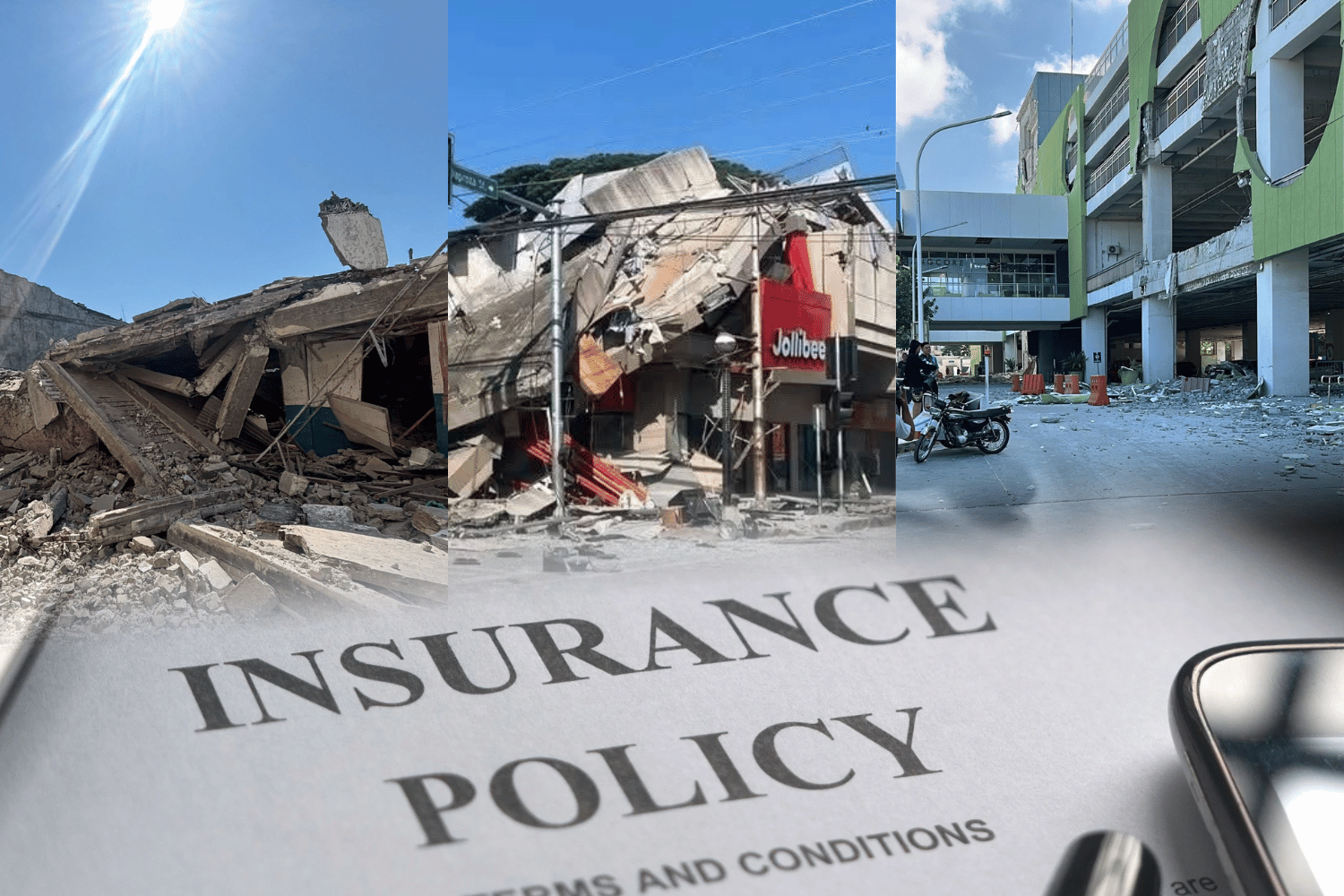
Earthquake in Saranggani area prompts renewed focus on catastrophe coverage as claims begin to emerge and damage assessment continues.
As Southern Mindanao begins assessing the damage left by Sunday’s 7.8-magnitude earthquake, insurers say the disaster is once again drawing attention to a longstanding problem: many homes and businesses remain uninsured against major catastrophes.
The Philippine Insurers and Reinsurance Association (PIRA) said member companies are prepared to process claims arising from the quake, although it remains too early to estimate the industry’s losses as damage assessments are still ongoing.
According to PIRA, initial reports already indicate damage to insured assets, with claims expected to emerge in the coming weeks. The group said the full extent of losses may take several weeks to determine.
The warning comes against a backdrop of chronically low catastrophe coverage in the Philippines. OECD data show that only about 5% of earthquake losses recorded between 2000 and 2019 were insured, leaving most families and businesses to shoulder rebuilding costs on their own after major disasters.
Aside from the immediate recovery effort, the insurance industry said the earthquake highlights the importance of financial protection in a country regularly exposed to earthquakes, typhoons, floods, volcanic activity, and other natural disasters.
“The industry exists precisely for moments like these—to help our people absorb the shock, rebuild, and recover,” PIRA Executive Director Michael Ferre Rellosa said.
Rellosa also warned that the Philippines remains highly vulnerable to a range of catastrophic risks, noting that the country sits on the Pacific Ring of Fire while facing an active typhoon season.
As affected communities begin rebuilding, the disaster is also expected to reignite discussions about catastrophe insurance and the country’s protection gap—particularly the financial challenges faced by households and businesses that suffer losses without adequate coverage.
READ: