Local fibers, precision sizing tech, and industry partnerships bring homegrown footwear to a national stage as Marikina shoemakers seek to stay competitive amid import pressure.
Marikina-made shoes are back in focus as local crafts get a push to keep an industry under pressure alive and competitive, this time through a high-visibility partnership tied to Miss Universe Philippines.
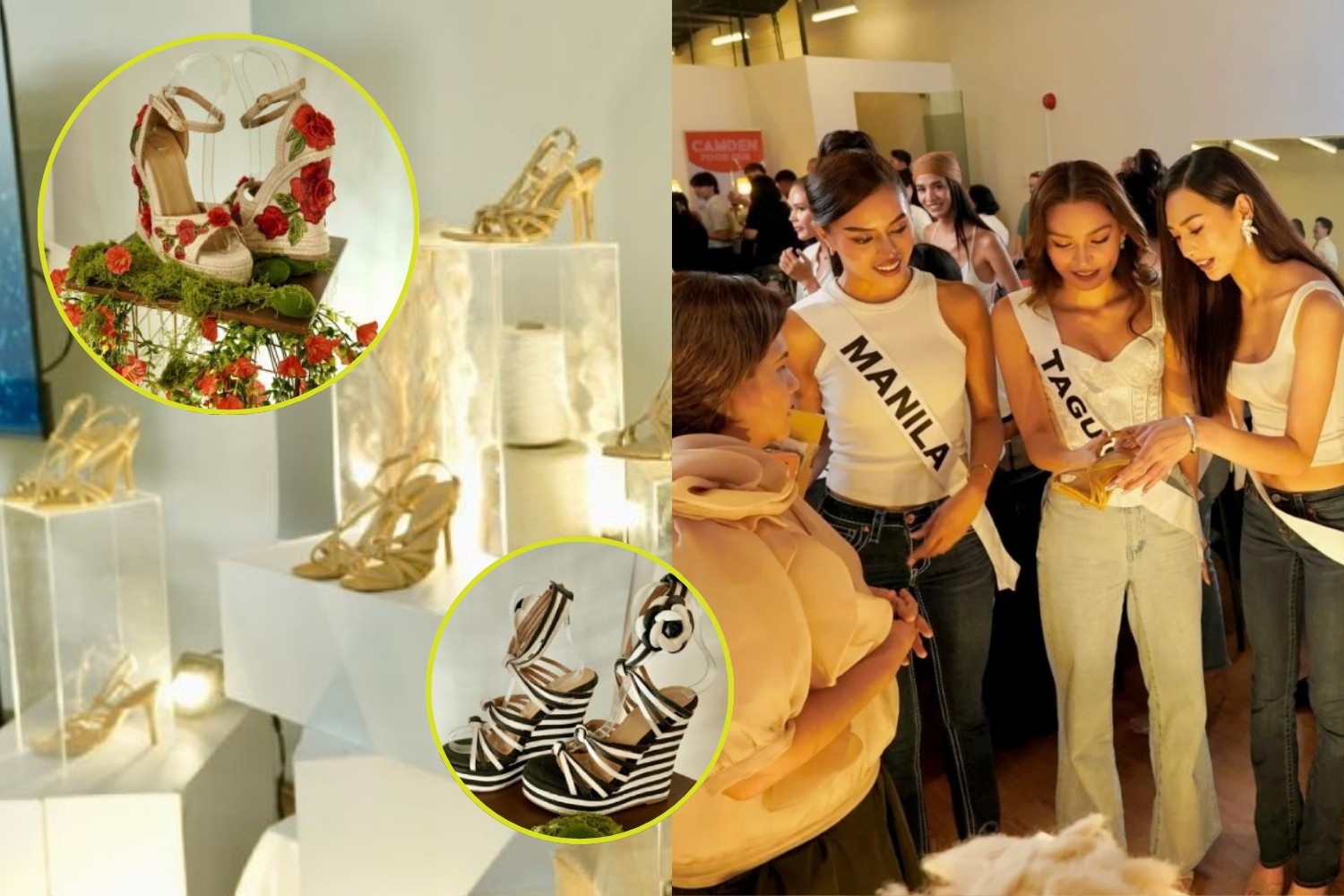
The Department of Science and Technology, through the Philippine Textile Research Institute, has teamed up with Miss Universe Philippines to provide footwear for this year’s candidates under the SAFATOS Marikina brand.
The shoes will be used across key parts of the competition, including rehearsals and official appearances, placing locally made footwear in front of a national audience with the potential for global reach through pageant coverage.
A coordinated defense against imports
At the core of the project is a shift away from imported materials. The shoe uppers use Philippine-grown fibers such as abaca, banana, bamboo, and pineapple leaves, which are processed to meet durability requirements while maintaining flexibility for wear.
Aside from the materials, the project also leans on design and engineering upgrades. A precision sizing system has been integrated into the footwear, using computer-assisted measurements to help achieve a more customized fit for each wearer—an approach aimed at improving both comfort and consistency in production.
The collaboration also pulls in multiple industry stakeholders, including the Philippine Footwear Federation, Zapateria Hub, the Marikina City government, and local designers. Their roles span research, production, and design development, reflecting a more coordinated effort to support the local shoemaking sector.
Marikina’s footwear industry has long been considered a heritage craft, but in recent years it has faced sustained pressure from cheaper imported products and changing consumer preferences. Industry groups have pointed to initiatives like this as proof that local shoemaking can still compete, especially when traditional craftsmanship is paired with material innovation and more modern production systems.
The tech behind the trend
Why should you care about the science in your shoes?
Sustainable Comfort: Fibers like bamboo and pineapple aren’t just eco-friendly; they are naturally more breathable than synthetic “vegan leathers,” making them ideal for the Philippine climate.
The Death of “Breaking In”: With computer-assisted sizing, the goal is a shoe that fits perfectly from day one. This tech is expected to trickle down from pageantry to commercial Marikina brands by late 2026.
Supporting the Ecosystem: Choosing Marikina-made products supports an entire supply chain—from the abaca farmers in Bicol to the master shoemakers in Rizal. Pro-tip: Look for the DOST-PTRI seal or the SAFATOS label in local boutiques this year to ensure you are getting the “engineered” version of Marikina’s best.
Have you ever tried shoes made from pineapple fibers before?