PHIVOLCS clarifies cosmic object disintegrated before reaching volcano’s slopes.
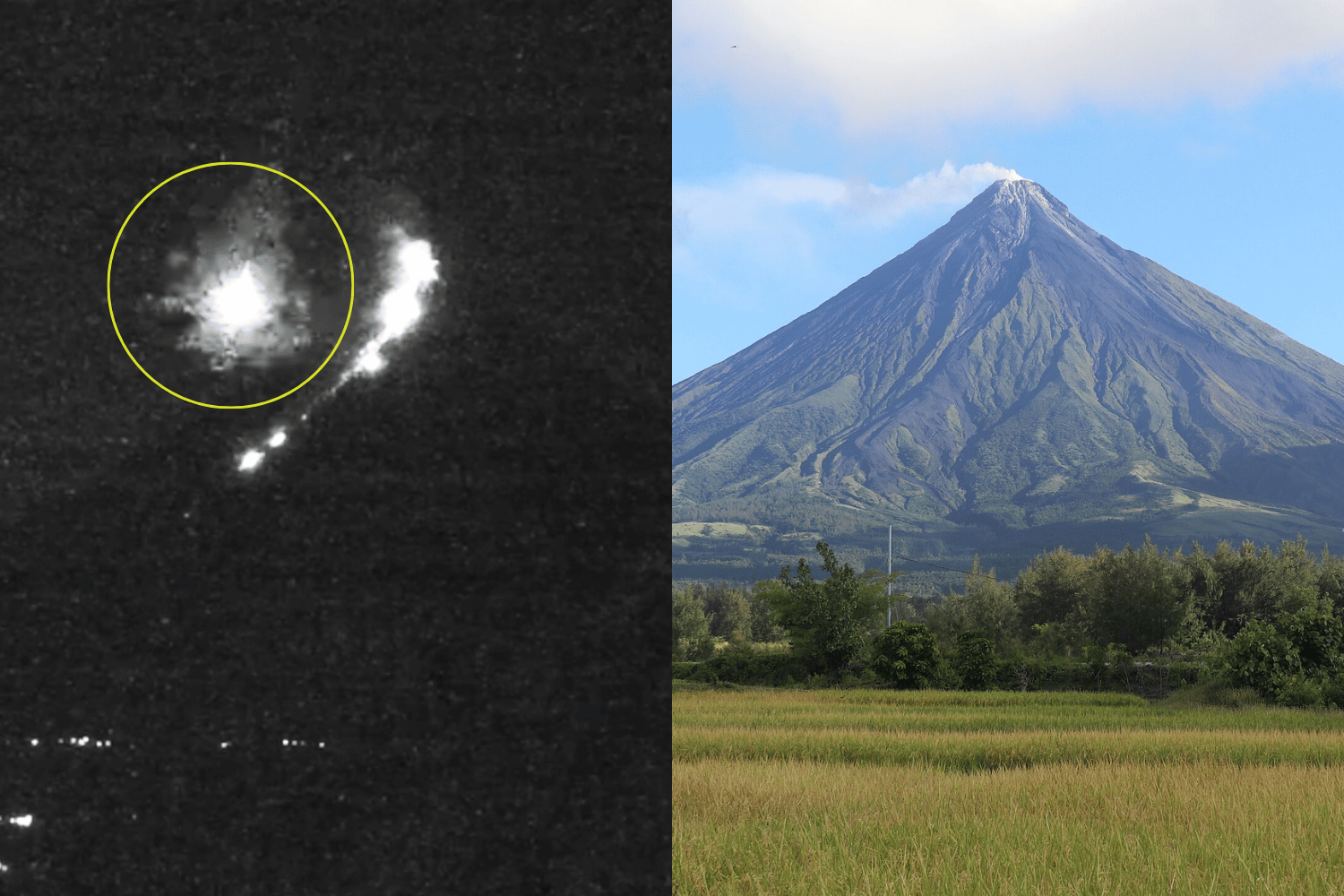
A rare moment unfolded above Mayon Volcano in Bicol late Monday night, as a meteor was spotted disintegrating over the volcano while lava continued to flow from its ongoing effusive eruption.
Camera footage from the Philippine Institute of Volcanology and Seismology (PHIVOLCS) in Ligñon Hill showed the meteor appearing to “strike” Mayon’s northern slopes at around 10:33 p.m. on May 25. However, after further review of seismic data, infrasound monitoring, and additional camera footage, the agency clarified that the meteor had disintegrated in the atmosphere and did not hit the volcano.
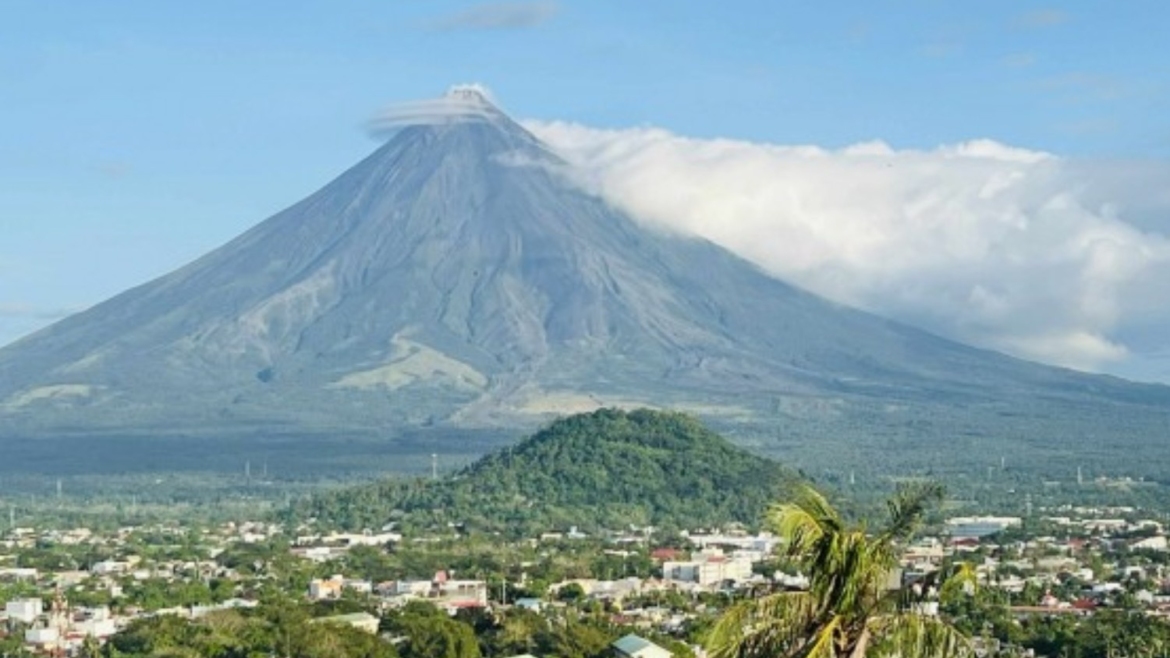
Mayon remains under Alert Level 3 amid its ongoing effusive eruption, now stretching into its 141st consecutive day. Recent footage from PHIVOLCS showed lava effusion, rockfalls, and pyroclastic density currents, or “uson,” flowing through several gullies around the volcano.
The real crisis
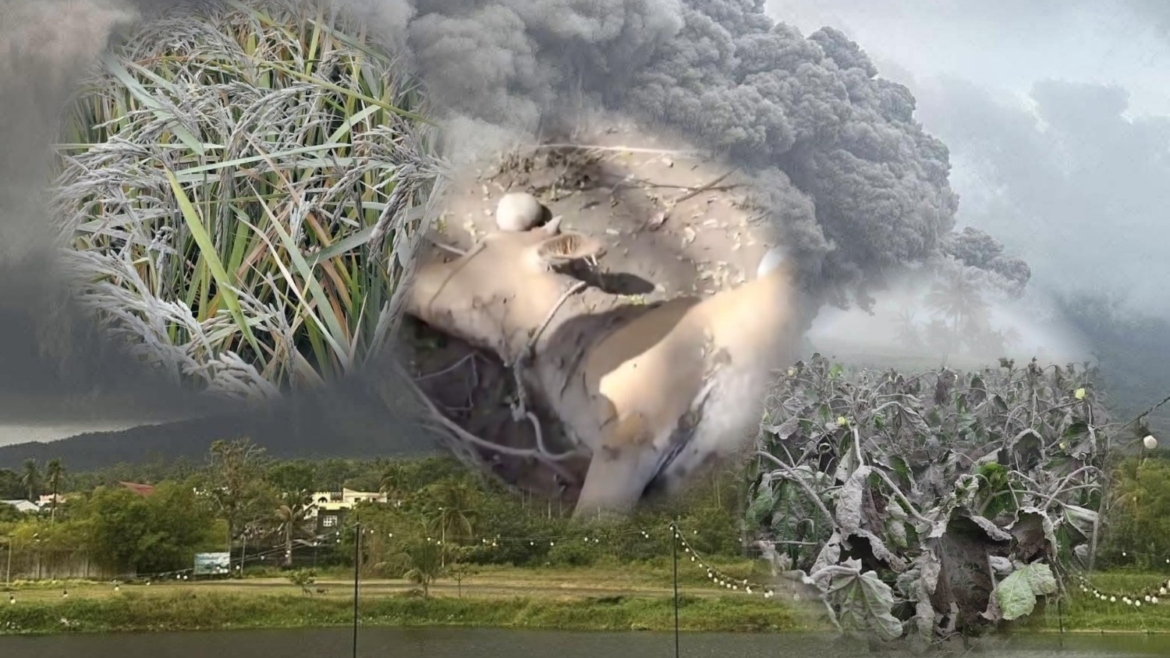
While the meteor became a moment of fascination online, communities surrounding Mayon continue to deal with the prolonged effects of volcanic activity. Since intensified eruptions earlier this year, ashfall has affected visibility, damaged crops, contaminated farmlands, and raised respiratory health concerns for residents in affected areas.
Authorities have continued distributing protective masks while clearing ash accumulation along roads and highways. Farmers in some communities have also suffered losses after crops and livestock were affected by ash deposits and volcanic debris.
PHIVOLCS continues to prohibit entry into Mayon’s 6-kilometer Permanent Danger Zone due to ongoing hazards from lava flows, ash emissions, rockfalls, and possible explosive activity.
A viral moment over Albay. A rare meteor appears to strike Mayon Volcano during its ongoing 141-day effusive eruption.