Is Metro Manila ready to redefine its relationship with the outdoors?
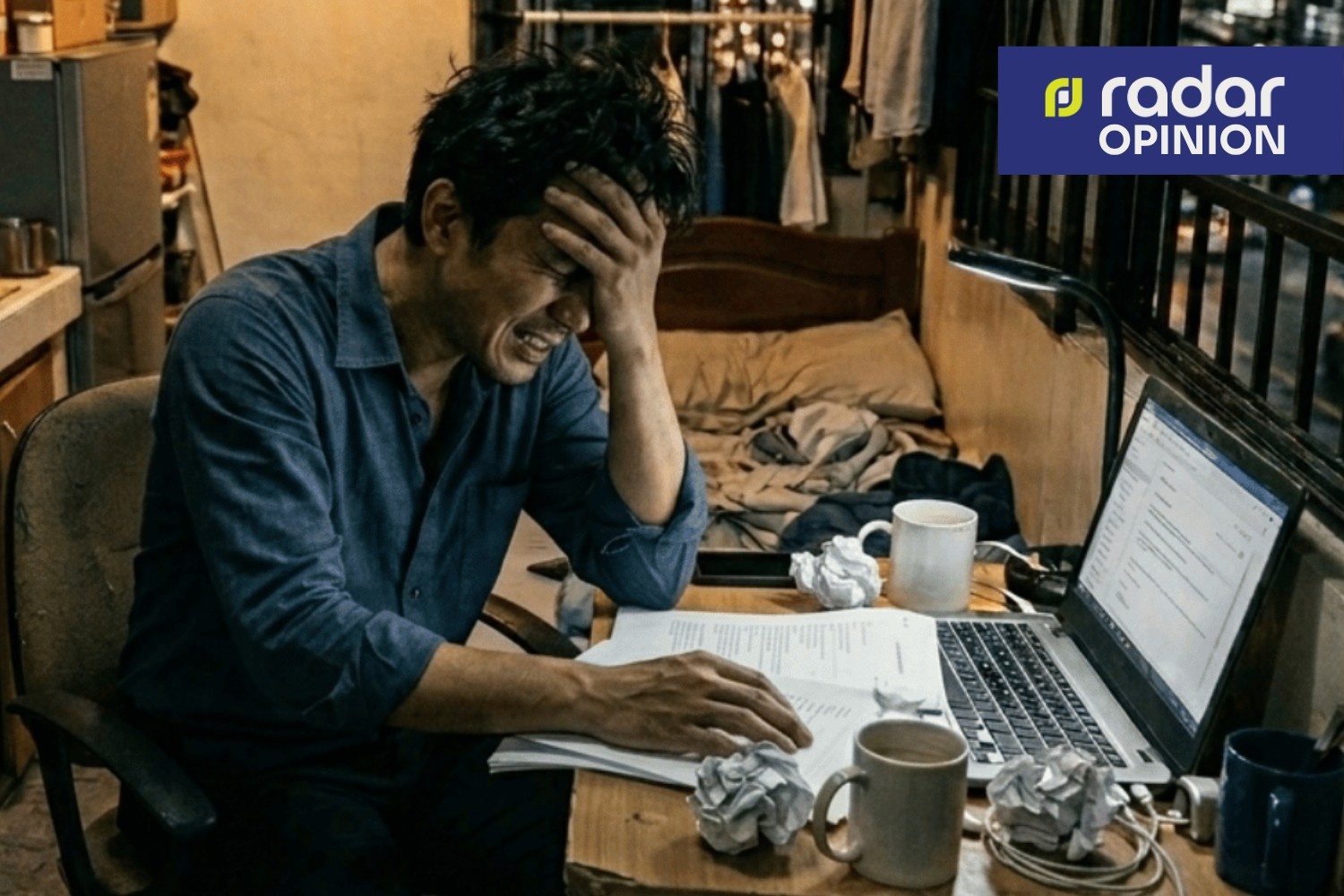
In Metro Manila, it feels like it costs ₱500 just to exist outside your door.” This viral sentiment across subreddits like r/CasualPH highlights a mental health crisis among urban dwellers trapped in claustrophobic, 20-square-meter micro-condos. Stepping out to clear your mind may mean the need to buy a ₱200 cold brew just to sit and decompress.
Unfortunately, Manila’s isolation is a systemic design choice. As the government failed to build public parks, private mega-malls became proxies for public spaces. Designed to filter out non-consumers through a lack of free seating, they turn community into an exclusionary luxury.
Why do we need a third space?
Urban sociologist Ray Oldenburg coined “third places” to describe the vital anchors of community life—social surroundings separate from home (first place) and work (second place), such as cafés, churches, and libraries.
Through the years, psychologists emphasize third space’s importance as “social levelers” that erase professional hierarchies. These spaces provide a sense of belonging, combat social isolation, and foster the casual, spontaneous interactions that build trust and civic unity within a neighborhood.
Why Metro Manila lacks free third spaces
Metro Manila’s lack of free third spaces stems from three systemic design choices.
After World War II, the government didn’t build enough public parks or plazas. Big companies stepped in and built giant shopping malls instead. While malls look like public spaces, they are actually private businesses designed to make you spend money. They keep people from just hanging out by limiting free benches.
Second, our cities were built for cars, not people. City rules favored roads and highways over sidewalks. Developers saw empty land for parks as a waste of money compared to building tall office towers. Because of this, we lost the wide, shaded sidewalks where neighbors used to meet and talk.
Finally, the new business areas like BGC or Makati are owned by big corporations. The tiny green spaces they do have are just there to make the nearby luxury condos look expensive. These spaces don’t really help you relax because they have strict rules on how you can behave, and security can ask you to leave at any time.
Taking back the streets
Metro Manila residents, through support of LGUs and NGOs, are reclaiming the lost space through weekend car-free oases.
In Manila, Escolta’s occasional weekend events—such as Kalye Escolta, the Escolta Block Festival, and Hola, Escolta! —have successfully reclaimed the historic, pre-war downtown corridor as a creative third space for artists, students, and urban wanderers.
In Quezon City, the stretch of Tomas Morato, known for its award-winning restaurants and cafes, transforms into a high-energy community where Zumba, jogging, skating, and even Pinoy games such as piko and patintero thrive every Sunday morning.
Pasig City shuts down Emerald Avenue in Ortigas Center the whole Sunday to become a sanctuary for families, dog walkers, and even pickleballers, alongside a vibrant weekend food market.
Even the Makati CBD closes down its main artery, Ayala Avenue, on Sunday mornings to become a marathon-style racetrack for thousands of serious runners and cyclists.
The growing movement toward pedestrian-friendly, open-air community spaces shows that Metro Manila is ready to redefine its relationship with the outdoors.
READ:
Why Metro Manila residents need green community parks
radar Lifestyle
June 7, 2026

Dealing with loss as a community: How we talk about suicide matters
Gel G. Galang, RPsy
November 4, 2025
Five ways to bring back the Metro Manila’s lost green
radar Lifestyle
May 31, 2026