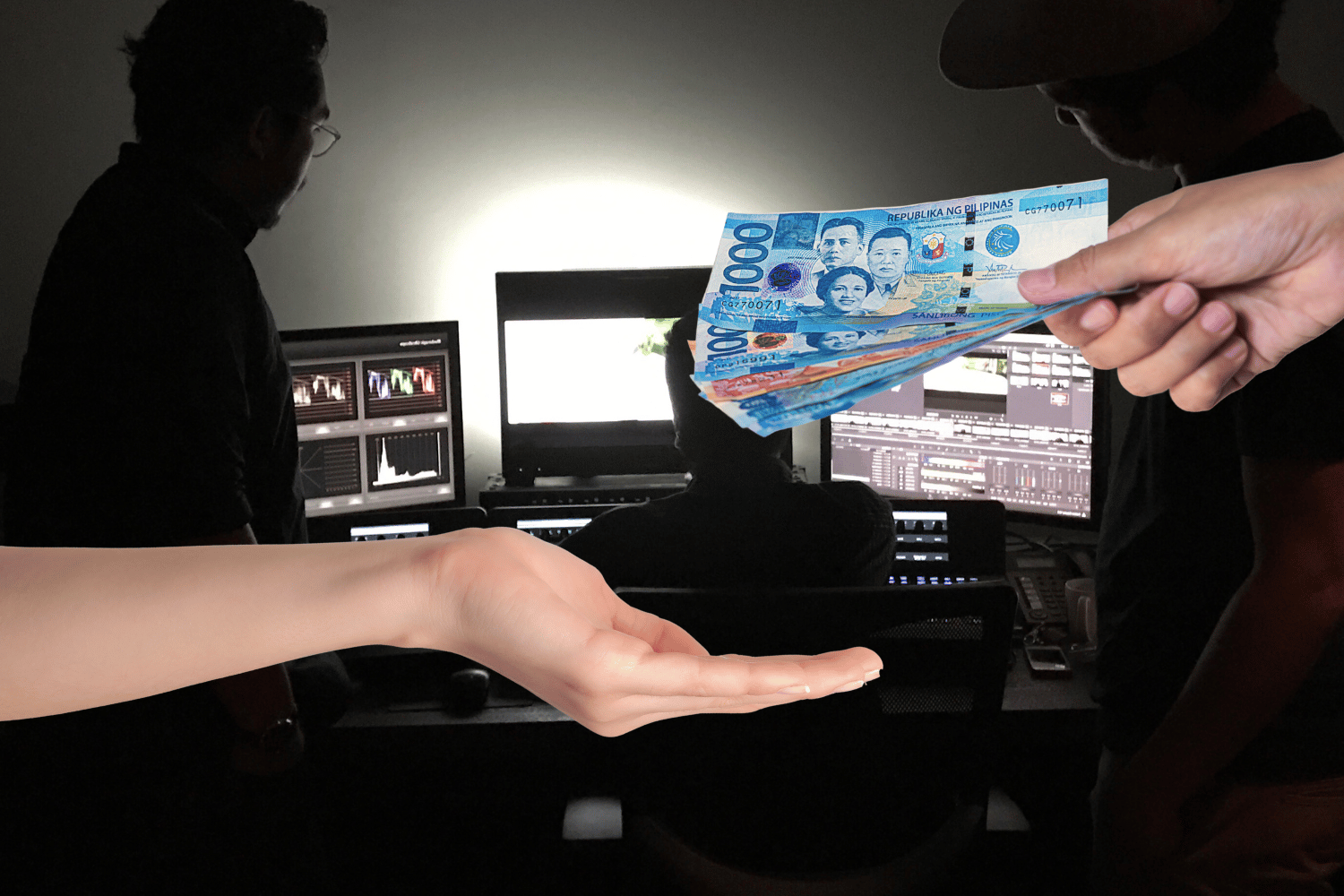
Analyzing the creative and financial gridlock over color-grading fees.
There is a quiet debate making the rounds in Philippine film circles—one that rarely reaches audiences but has many producers scratching their heads.
Some cinematographers, according to industry chatter, reportedly charge an additional professional fee just to supervise the color grading of a film they themselves shot.
For some, that raises an uncomfortable question: Isn’t that already part of the job?
Imagine going to a restaurant. The chef carefully selects the ingredients, seasons the dish, and cooks it to perfection. But when it’s finally time to plate the meal—the stage where presentation completes the dining experience—the chef says there’s an extra fee just to make sure it’s arranged the way it was originally intended.
It sounds odd.
Final brushstroke on the canvas
In filmmaking, color grading is far from a cosmetic touch-up. It is the final stage where a cinematographer’s visual language comes alive. It determines whether a sunset glows warmly or feels melancholic, whether a thriller looks cold and sterile or rich and ominous. It is often described as the final brushstroke on a painting.
That is precisely why many filmmakers consider the cinematographer’s presence during color grading indispensable.
In the Philippine industry, cinematographers are generally hired and paid on a per-shooting-day basis. Unlike many other professions, they often spend days—or even weeks—doing unpaid pre-production work, including script discussions, technical meetings, camera tests, and location oculars. These preparations are usually absorbed as part of professional practice.
By the same tradition, supervising the final color grade has long been understood as part of delivering the finished cinematography, not as a separate service.
Supporters of additional fees argue that color grading sessions can consume several days after principal photography has wrapped. Since they are no longer officially on shooting days, they believe their time deserves separate compensation, especially when post-production schedules drag on or require multiple revisions.
Others disagree.
Their argument is simple: if the cinematographer is responsible for crafting the film’s visual identity, seeing that vision through until the final image should be part of the original engagement. After all, the audience never sees the raw footage—they only see the finished, color-graded film.
Without that final supervision, can the job truly be considered complete?
The debate has no easy answer. It also reflects the realities of an industry where many creative professionals remain underpaid, forcing them to carefully value every hour of work.
Still, the discussion raises an interesting question for filmmakers, producers, and even moviegoers:
If supervising color grading is essential to fulfilling a cinematographer’s artistic vision, should it already be included in the original fee—or is charging extra a fair professional practice?