To this day, it remains a key ingredient in traditional Filipino desserts such as biko, kalamay, and minatamis na saging.
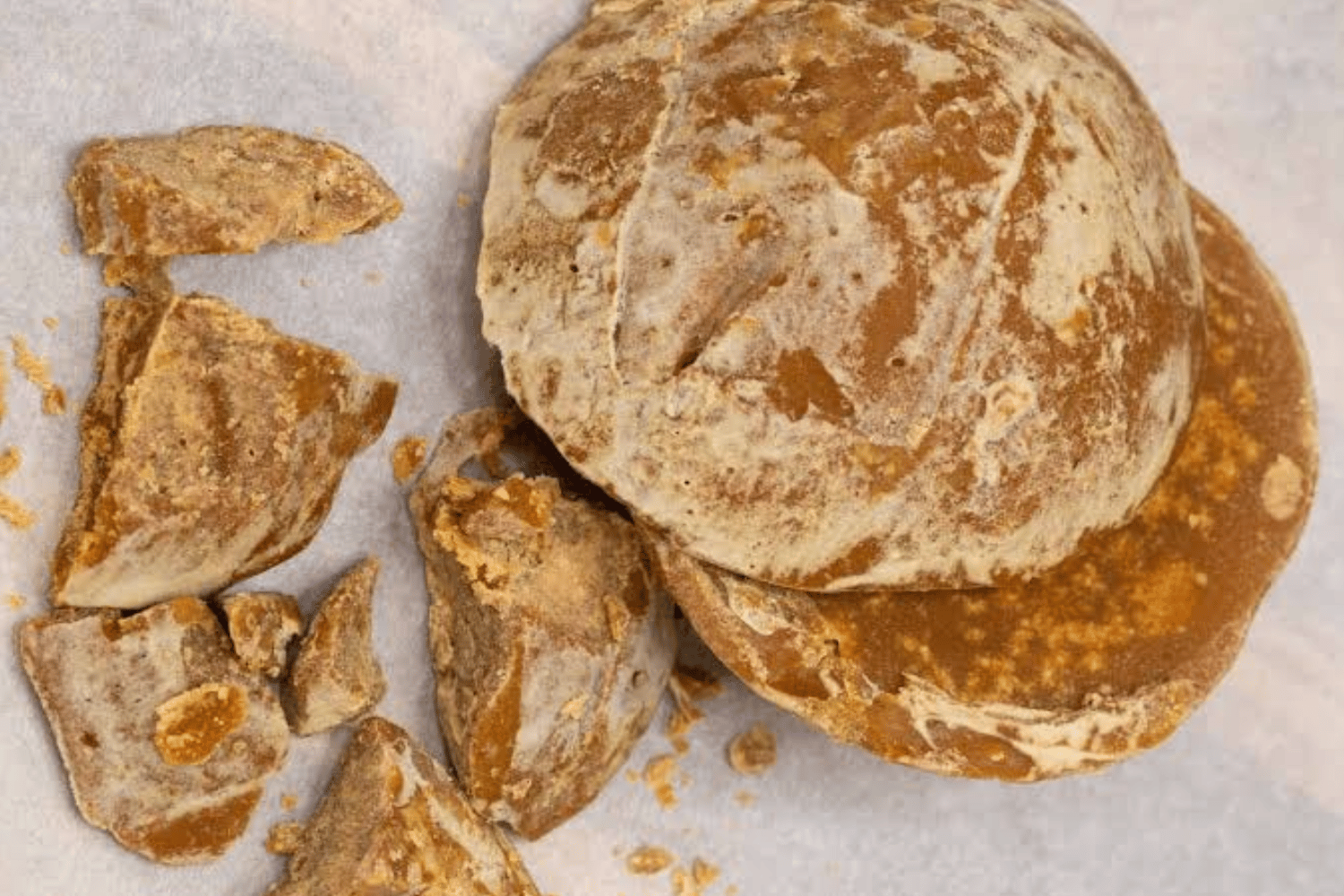
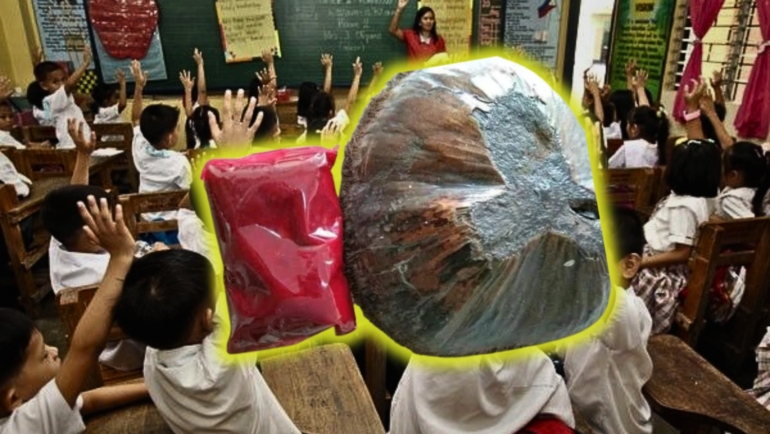
You’re walking through a provincial public market when you spot two dark brown, dome-shaped blocks wrapped in dried banana leaves. They look like oversized candies, but they are actually a traditional Filipino sweetener with roots in the country’s precolonial history.
This is panutsa, an unrefined cane sugar that belongs to a centuries-old Filipino sugar-making tradition.
According to the Sugar Regulatory Administration (SRA), sugarcane reached Mindanao through vessels from the Celebes, now Sulawesi, sometime between 4000 and 2000 BCE. Cultivation eventually spread to the Visayas and Luzon.
By the time Ferdinand Magellan arrived in 1521, sugarcane was already widely cultivated across the archipelago.
How early Filipinos made sugar
The SRA records that early Filipinos extracted sugarcane juice using wooden devices operated by hand or foot.
Traditional sugar-making involved boiling the juice until it thickened into a concentrated syrup. In preparations such as panutsa, the syrup was poured into molds, including coconut shells, and allowed to harden.
The resulting brown blocks retained much of the cane’s natural molasses, producing a rich, caramel-like sweetness.
The precise date when panutsa acquired its familiar shape and name remains undocumented, although its sugar-making tradition has precolonial roots.
From native sweetener to colonial industry
Spanish colonization transformed sugar production into a commercial enterprise.
According to the SRA, small sugar plantations had spread across much of the archipelago by the mid-1600s. By 1755, the Philippines was exporting sugar to China and other Asian markets.
A historical study published in the Journal of Southeast Asian Studies recorded Philippine sugar production reaching 265,045 pilones, or traditional sugar molds, in 1845.
Yet traditional unrefined sugar survived the expansion of plantations and industrial mills.
The sweetness that survived
Panutsa is also associated with regional names such as sangkaka and bagkat bao, while related sweeteners include Ilocos’ tagapulot.
Today, it remains an ingredient in Filipino delicacies such as biko, kalamay, coconut-based sweets, and minatamis na saging.
Those humble brown blocks sold in provincial markets represent a part of Philippine food history that predates Spanish colonization.
The country’s sugar industry may have grown under colonial rule, but Filipinos already knew how to cultivate sugarcane and turn its juice into something sweet.
READ:




The hidden meanings of Carlo Tanseco’s Delata: Lagi Tayong Maging Tapat (Red) at Art in the Park 2026