Higher purchases of electronics, fuel, and equipment point to continued business activity.
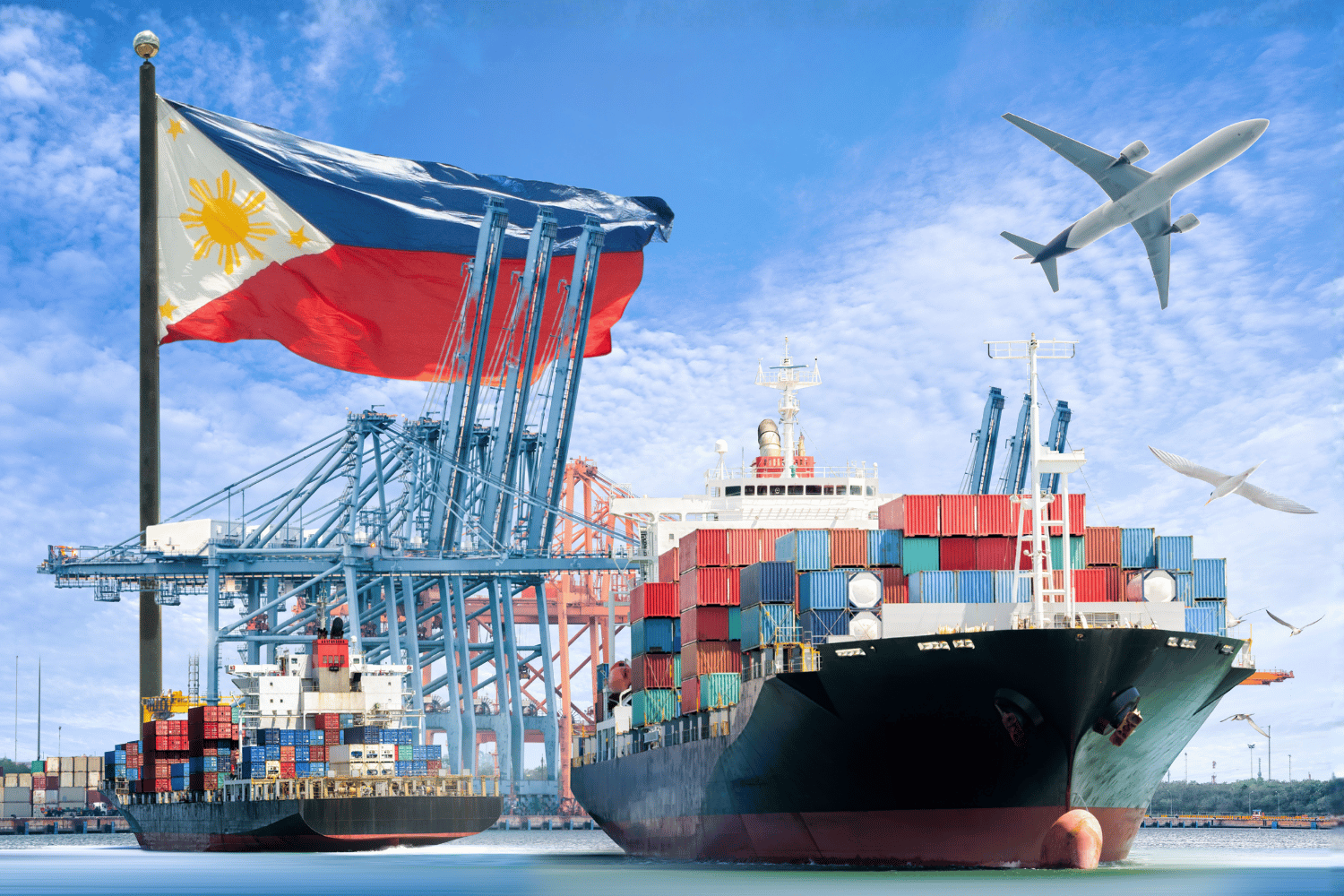
Philippine imports continued to climb in June, rising 19.6% to $13.71 billion as businesses brought in more goods needed for production, investment, and domestic demand.
The Philippine Statistics Authority (PSA) said the June import value was the lowest recorded since April 2026, but first-half imports still reached a record $77.53 billion, up 17.8% from the same period last year. The six-month total was the highest recorded since the PSA’s data series began in 1991.
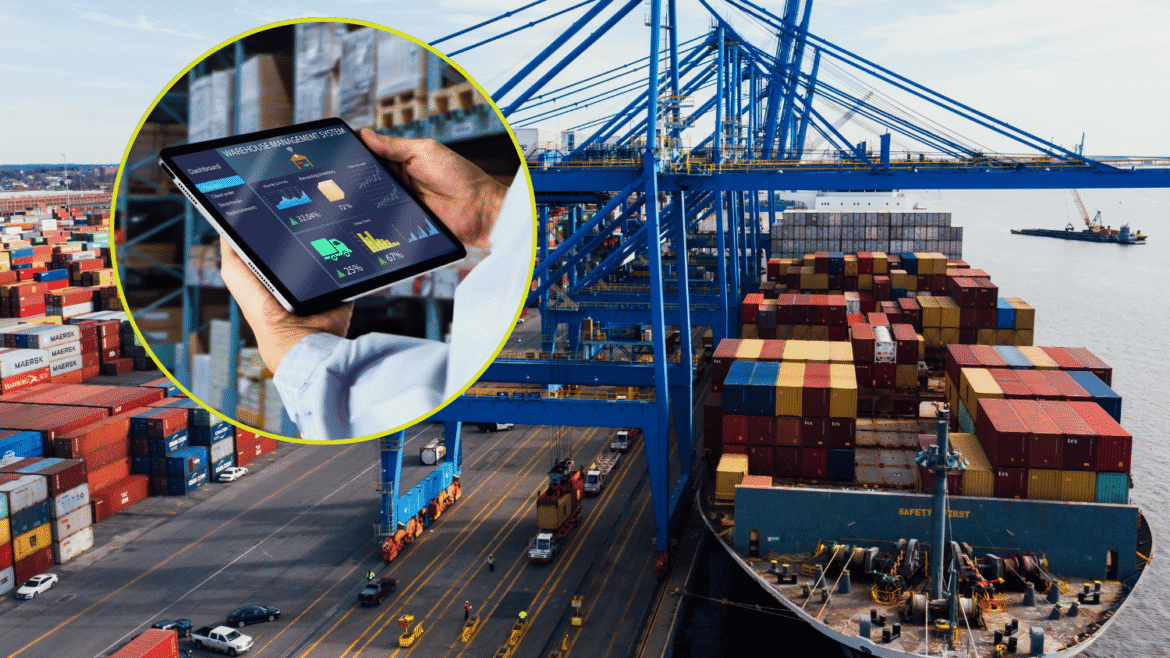
Higher imports often point to companies purchasing more raw materials, equipment, fuel, and other supplies needed to keep operations running and support expansion. It can also indicate stronger demand from consumers and businesses across different sectors.
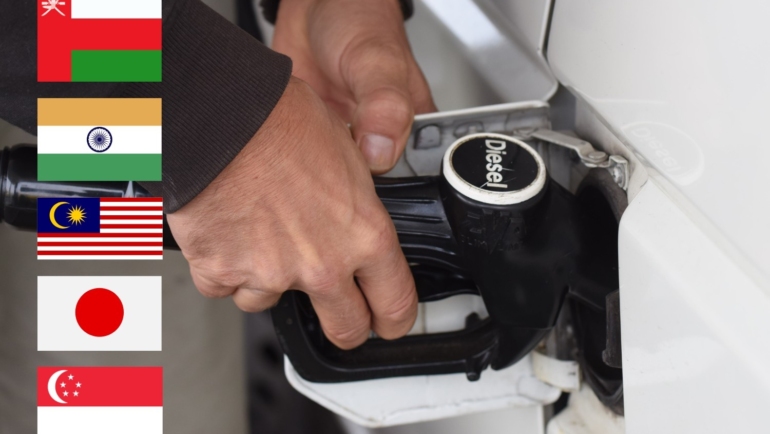
Electronics remained the country’s biggest import in June at $4.77 billion, accounting for 34.8% of total imports. This was followed by mineral fuels, lubricants, and related materials at $1.62 billion, and transport equipment at $998.94 million.
Rizal Commercial Banking Corp. chief economist Michael Ricafort said the growth in both exports and imports may have been driven partly by businesses frontloading shipments amid geopolitical tensions, alongside market diversification and a competitive exchange rate.
He added that the country’s trade outlook will depend largely on global energy prices, supply chain conditions, and the impact of new US tariffs, which could affect business costs and overseas demand in the months ahead.
READ: