Here’s how you can protect yourself from mpox while vaccination is unavailable.
One circular was enough to send residents into panic.
Over the weekend, a notice supposedly issued by the property management of a condominium in Mandaluyong circulated online, claiming that a resident had tested positive for mpox and that the case was associated with one of the building’s towers. As of writing, radar.ph has not independently verified the authenticity of the document or the reported case, and no official public confirmation has been issued by the authorities.
Whether the report turns out to be true or not, the incident has once again put mpox back into public conversation—and reminded many Filipinos that knowing how the virus spreads is far more useful than giving in to fear.
Know the symptoms
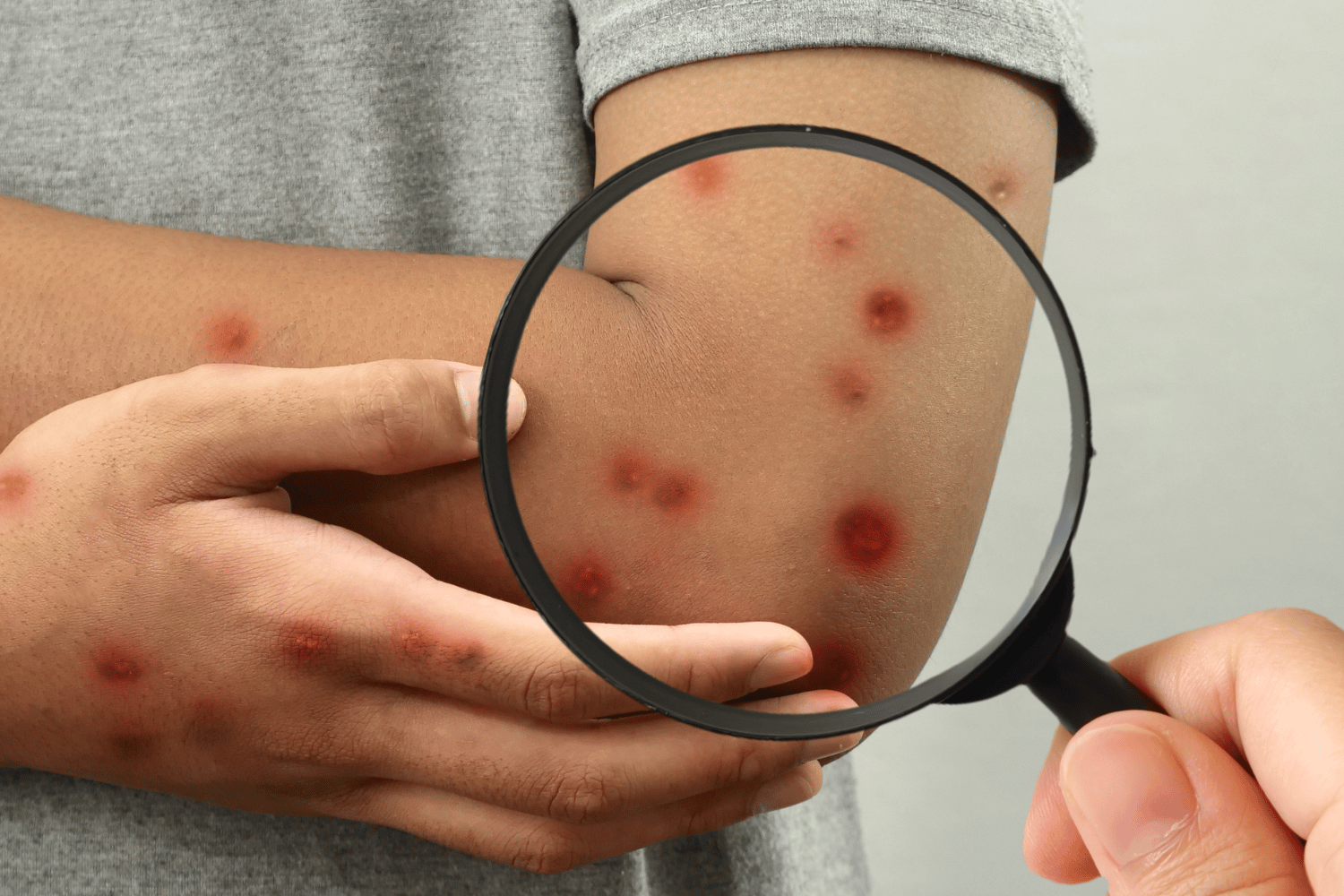
Mpox is a viral disease that usually begins with fever, headache, muscle aches, fatigue, back pain, and swollen lymph nodes. Within a few days, an unusual rash appears and progresses into blisters, pus-filled lesions, and eventually scabs before healing. Most infections resolve within two to four weeks.
It doesn’t spread like COVID-19
One of the biggest misconceptions about mpox is that it easily spreads through the air.
Health authorities say the virus primarily spreads through close physical contact with an infected person’s rash, blisters, scabs, or body fluids. It can also spread through contaminated towels, bedding, clothing, and other personal items. Prolonged face-to-face contact may transmit the virus through respiratory droplets, but it is far less contagious than COVID-19.
Don’t share personal items
If someone around you develops an unexplained rash, avoid sharing towels, bedsheets, clothing, eating utensils, or personal care items until the illness has been evaluated.
Regularly disinfect frequently touched surfaces and wash linens thoroughly if caring for someone who is sick. These simple precautions can significantly reduce the risk of transmission.
Practice good hygiene
Frequent handwashing with soap and water remains one of the most effective defenses against mpox. When soap isn’t available, use an alcohol-based hand sanitizer.
Avoid touching unexplained rashes, and if you develop fever followed by a suspicious rash, isolate yourself from others and seek medical consultation immediately.
Stay alert, not alarmed
Rumors can spread faster than viruses.
Whether the circulating condominium advisory is eventually confirmed or disproven, experts continue to stress that the public’s best defense is accurate information—not panic. Mpox is preventable, its transmission is well understood, and simple everyday habits can greatly lower the risk of infection.
The next time a viral advisory appears on your feed, let it be a reminder to wash your hands, avoid close contact with unexplained rashes, and rely on verified health information instead of speculation.FOR POSTING June 29
Primary Keywords: Rumored mpox case Mandaluyong condo
Feature photo caption: A viral, unverified property management circular claiming an active mpox case inside a Mandaluyong condominium has sparked widespread resident panic, prompting experts to emphasize that understanding physical transmission paths is our best defense.
WordPress Tags
mpox advisory, Mandaluyong condo, public health, property management, urban living, virus transmission
Rumored mpox case in a Mandaluyong condo spark panic
Here’s how you can protect yourself from mpox while vaccination is unavailable.
One circular was enough to send residents into panic.
Over the weekend, a notice supposedly issued by the property management of a condominium in Mandaluyong circulated online, claiming that a resident had tested positive for mpox and that the case was associated with one of the building’s towers. As of writing, radar.ph has not independently verified the authenticity of the document or the reported case, and no official public confirmation has been issued by the authorities.
Whether the report turns out to be true or not, the incident has once again put mpox back into public conversation—and reminded many Filipinos that knowing how the virus spreads is far more useful than giving in to fear.
Know the symptoms
Mpox is a viral disease that usually begins with fever, headache, muscle aches, fatigue, back pain, and swollen lymph nodes. Within a few days, an unusual rash appears and progresses into blisters, pus-filled lesions, and eventually scabs before healing. Most infections resolve within two to four weeks.
It doesn’t spread like COVID-19
One of the biggest misconceptions about mpox is that it easily spreads through the air.
Health authorities say the virus primarily spreads through close physical contact with an infected person’s rash, blisters, scabs, or body fluids. It can also spread through contaminated towels, bedding, clothing, and other personal items. Prolonged face-to-face contact may transmit the virus through respiratory droplets, but it is far less contagious than COVID-19.
Don’t share personal items
If someone around you develops an unexplained rash, avoid sharing towels, bedsheets, clothing, eating utensils, or personal care items until the illness has been evaluated.
Regularly disinfect frequently touched surfaces and wash linens thoroughly if caring for someone who is sick. These simple precautions can significantly reduce the risk of transmission.
Practice good hygiene
Frequent handwashing with soap and water remains one of the most effective defenses against mpox. When soap isn’t available, use an alcohol-based hand sanitizer.
Avoid touching unexplained rashes, and if you develop fever followed by a suspicious rash, isolate yourself from others and seek medical consultation immediately.
Stay alert, not alarmed
Rumors can spread faster than viruses.
Whether the circulating condominium advisory is eventually confirmed or disproven, experts continue to stress that the public’s best defense is accurate information—not panic. Mpox is preventable, its transmission is well understood, and simple everyday habits can greatly lower the risk of infection.
The next time a viral advisory appears on your feed, let it be a reminder to wash your hands, avoid close contact with unexplained rashes, and rely on verified health information instead of speculation.