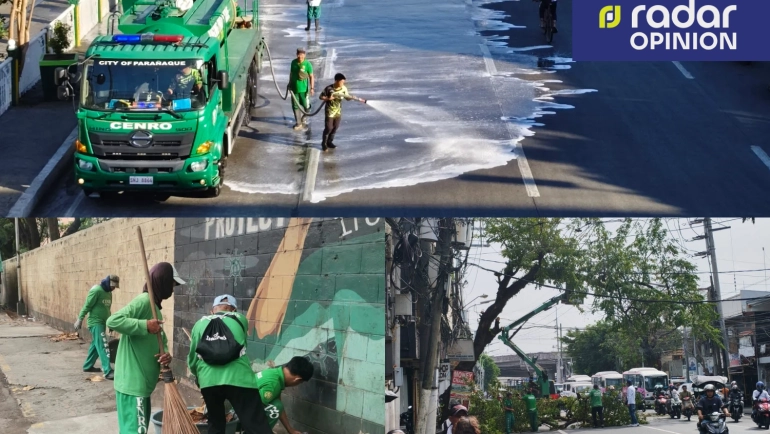
radar Room by John Lloyd Aleta 2 days ago OPINION: The gov’t shouldn’t need visiting foreigners before cleaning our streets Clean streets and accessible sidewalks should be a daily reality for Filipinos, not just a temporary display for foreign visitors.Read More
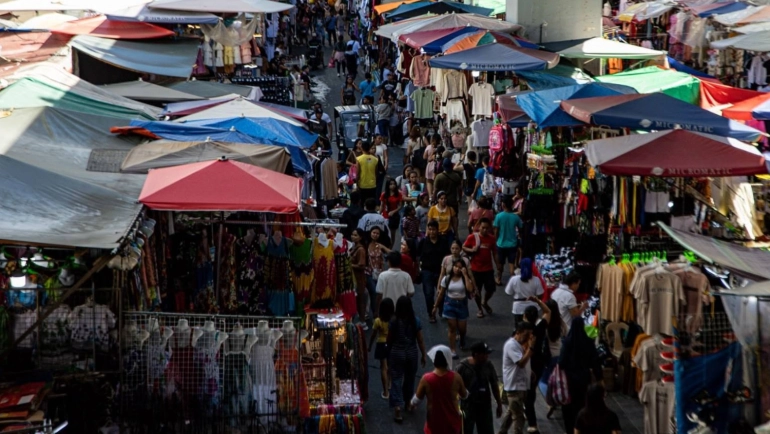
Industry Watch by radar Business 3 days ago Parañaque bans Baclaran street vendors until November 20 for ASEAN Summit The temporary ban leaves vendors worried about their daily income.Read More
Industry Watch by Top Dagohoy 3 days ago Diwata Pares workers lose income amid ASEAN Summit preparations While the Philippines prepares to host foreign leaders, Diwata Pares workers face surviving weeks without income.Read More
Industry Watch by Kiara Gorrospe November 6, 2026 Kakanin vendor’s quick nap captures the struggle of earning a living The vendor can be seen sneaking in about a minute of sleep in between cooking and serving tupig early in the morning.Read More
Food & Culture Fix by Top Dagohoy October 3, 2026 Filipinos are discovering the hidden fire beneath a taho vendor’s load The discovery offered a glimpse of the ingenuity—and physical effort—behind one of the country’s most familiar forms of street vending.Read More
Food & Culture Fix by Top Dagohoy September 21, 2026 FLASHBACK: Remember when Pinoy hotcakes ruled merienda Somewhere along the way, hotcake stopped being one of the undisputed kings of children’s merienda.Read More
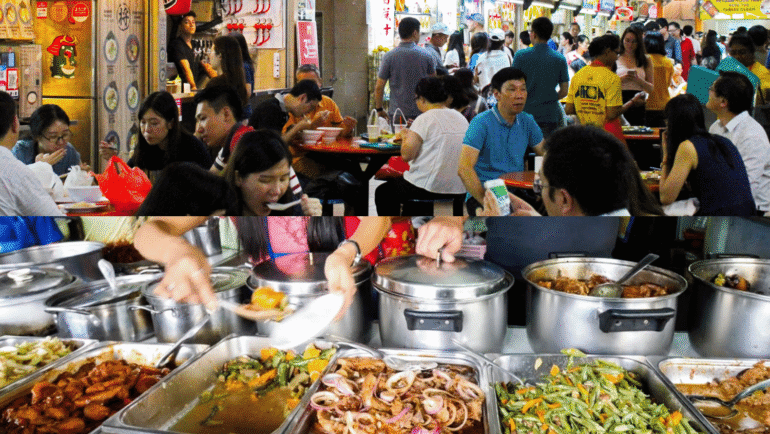
Industry Watch radar Room by Kenneth M. del Rosario August 2, 2026 ANALYSIS: Singapore formalized hawkers. Can Manila do the same for karinderya? Singapore turned street vendors into a thriving hawker centre culture. Could a similar approach give Manila’s smallest food businesses a clearer path to growth?Read More
Food & Culture Fix by Matahari July 9, 2026 Street food is a cultural treasure — but our stupid LGUs are killing it Street foods are one of the country’s strongest expressions of Filipino identity.Read More