That ‘genuine leather’ label on your belt may not mean what you think it does
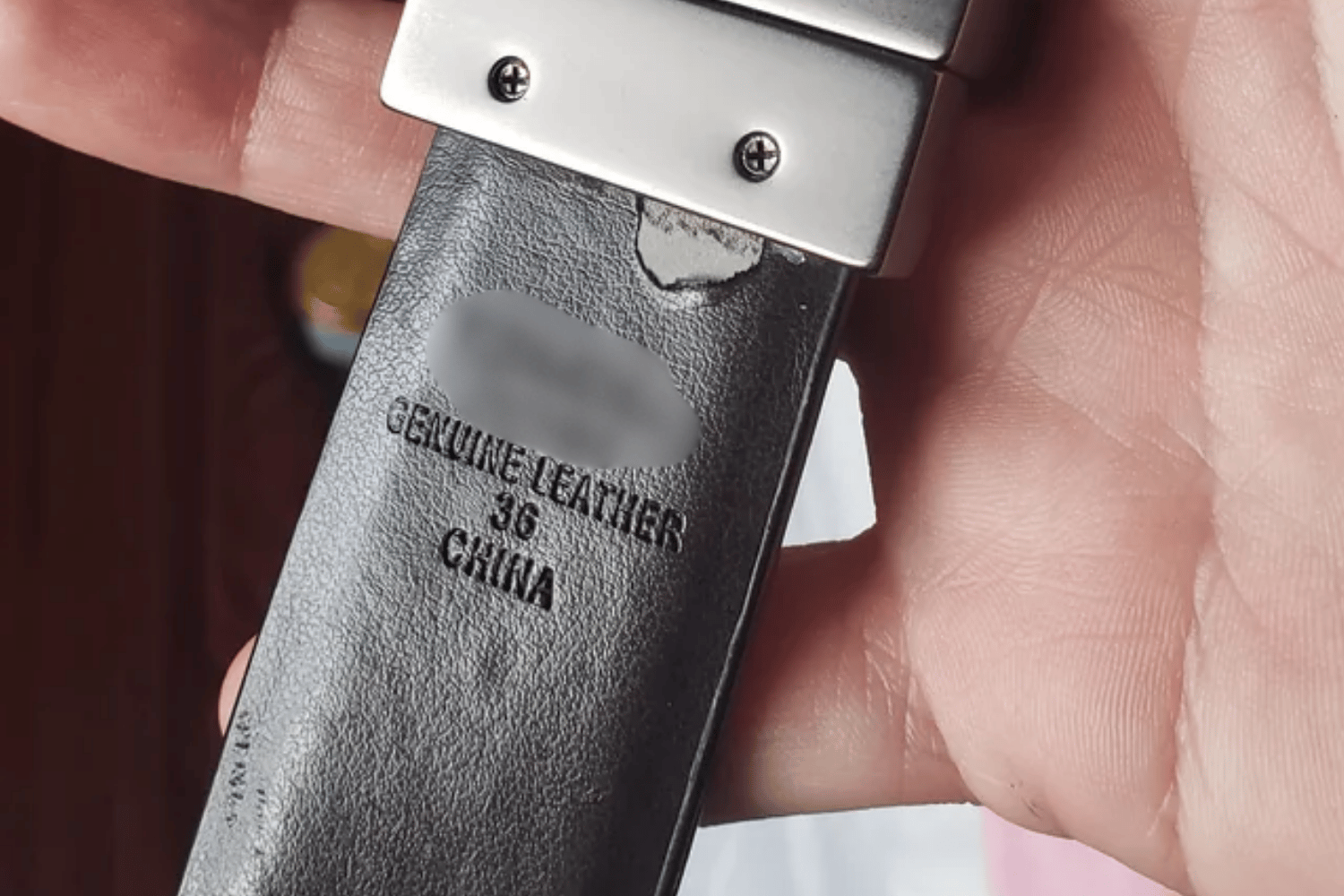
Genuine leather is often lower-grade split leather taken from the softer, inner part of the animal hide.
A man walks into a department store looking for a new leather belt. After comparing several designs, he picks one that looks sturdy, feels smooth, and carries a reassuring label: “Genuine Leather.”
He assumes he is getting a premium product made from real animal hide. But as he examines the belt, a question comes to mind: What exactly does “genuine leather” mean?
The answer may surprise many Filipino shoppers.
Although genuine leather generally means a product contains real animal hide, the label does not necessarily indicate superior quality. In fact, it can appear on relatively inexpensive leather products that have undergone extensive processing.
And that distinction matters when buying belts, wallets, shoes, jackets, and handbags.
Genuine does not mean premium
The word “genuine” sounds reassuring. In everyday language, it means authentic or real. But when applied to leather goods, it says surprisingly little about the material’s quality, durability, or construction.
Genuine leather is often associated with lower-cost split leather, which comes from the inner layers of animal hide after the stronger outer portion has been separated.
Manufacturers may coat, emboss, or finish this material to imitate the appearance of more expensive leather.
However, genuine leather is not a universally standardized leather grade. The label can also describe other types of real leather, including higher-quality materials.
This means consumers cannot reliably determine a product’s quality from the words “genuine leather” alone.
Not all leather is created equal
Leather products are commonly marketed using several classifications.
Full-grain leather retains the natural outer grain of the hide. It is generally prized for its strength, durability, and ability to develop a distinctive patina as it ages.
Top-grain leather also comes from the upper portion of the hide, but its surface may be sanded or corrected to produce a smoother, more uniform appearance. It can still be highly durable.
Split leather comes from the fibrous layers beneath the grain. It is generally less resistant to wear and may require additional finishing to resemble premium leather.
Bonded leather is manufactured using leather fibers or scraps combined with adhesives and other materials. Its durability varies, but cheaper versions can be prone to peeling and deterioration.
These categories are not a strict universal ranking. The quality of tanning, finishing, thickness, and construction also determines how well a product performs.
Why some leather belts crack and peel
Ever bought a leather belt that looked expensive but started cracking after just a year?
The problem may lie in its construction.
Some affordable leather belts use split leather covered with synthetic coatings. As the belt repeatedly bends around the waist, the surface finish can deteriorate, crack, or separate.
Others use bonded materials that may eventually peel, particularly around frequently flexed areas.
By comparison, a well-made full-grain leather belt can withstand years of regular use, although even premium leather requires proper care.
Price is not always a reliable indicator. An expensive designer belt can still use heavily finished leather, while a less expensive product may offer better material quality.
How to avoid buying the wrong leather
Before paying for a leather product, shoppers should examine more than its label.
Check the edges, stitching, thickness, and overall construction. Ask whether the material is full-grain, top-grain, split, or bonded leather.
For belts, find out whether the strap is made from a solid piece of leather or multiple layers joined together.
Be cautious of sellers who claim that “genuine leather” automatically means the highest quality available.
Consumers should also remember that smell, softness, and surface texture alone cannot conclusively establish leather quality.
Ultimately, the phrase “genuine leather” is not necessarily a warning that a product is fake or poorly made. It simply does not guarantee that the product is premium.
The next time a salesperson proudly points to a “Genuine Leather” label, remember that the more important question is not whether the leather is real.
It is what kind of leather you are actually paying for.
READ:
Balenciaga made a ₱100,000 trash bag—and somehow, that is the point
radar Lifestyle
October 4, 2026
Godfather Shoes is putting Marikina craftsmanship on a more personal footing
Top Dagohoy
September 7, 2026
Why McJim Classic Leather remains a Filipino staple across generations
radar Lifestyle
April 18, 2026