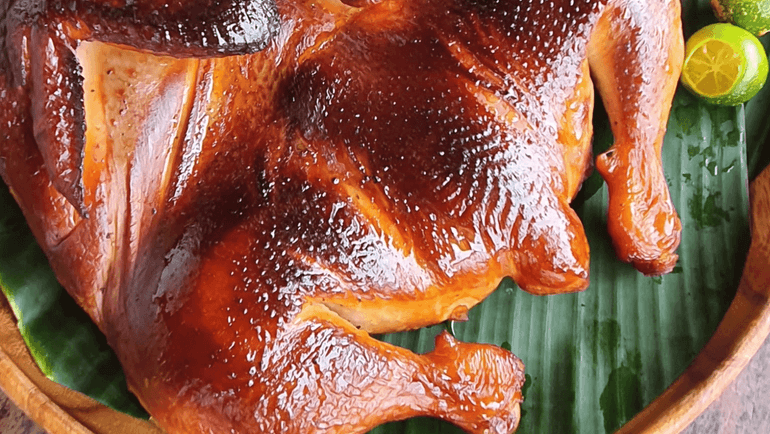
That humble sigarilyas in ‘Bahay Kubo’ is a protein powerhouse
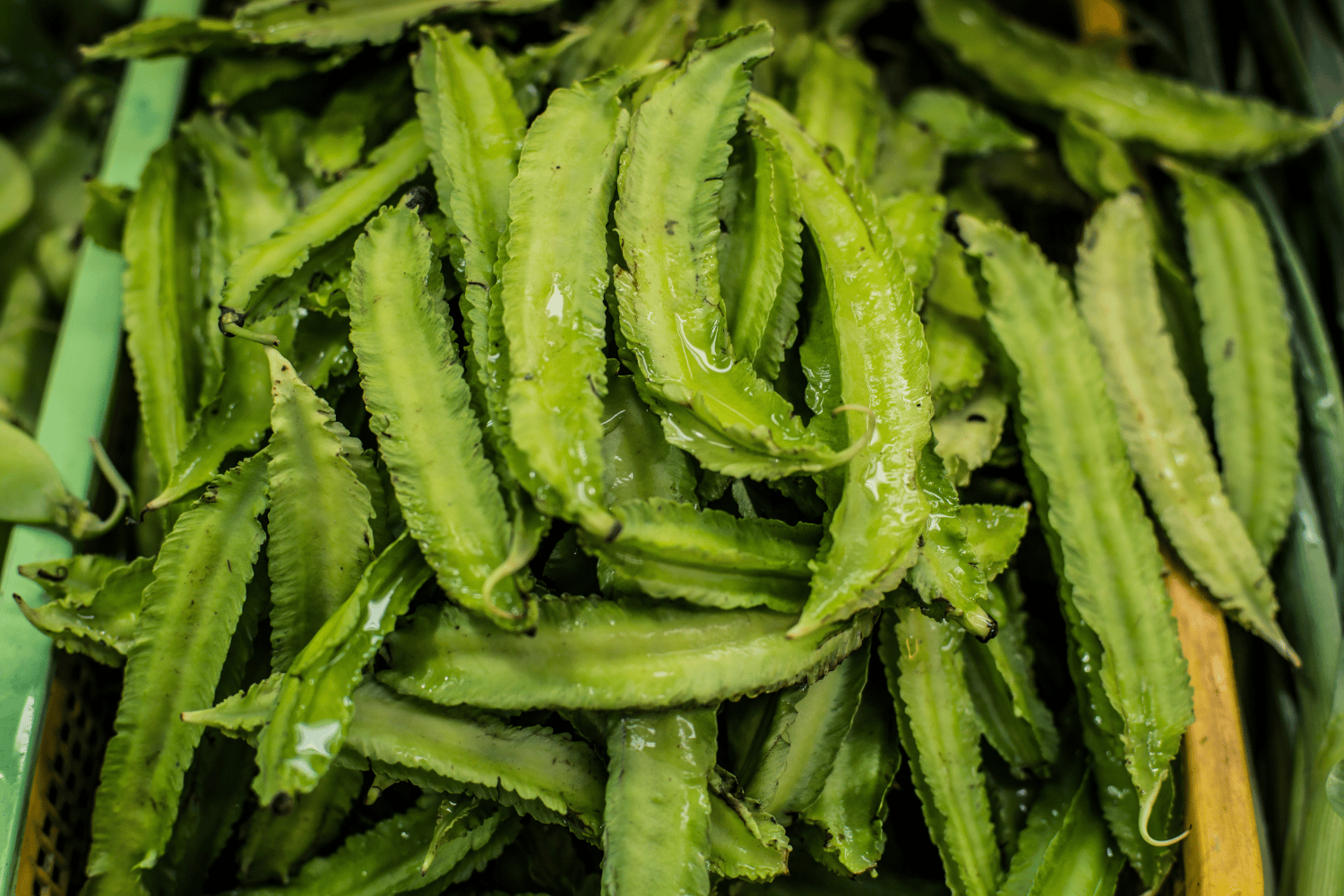
Sigarilyas remains a promising crop as the world looks for afforadble, local sources of plant-based protein.
Almost every Filipino grew up singing “Bahay Kubo,” memorizing the vegetables planted around a traditional countryside home. Among them is sigarilyas, a peculiar-looking green vegetable with four winged edges that rarely gets the same attention as more familiar vegetables like talong, sitaw, and kalabasa.
But this unassuming backyard crop has a remarkable nutritional secret. Sigarilyas, known internationally as the winged bean, is among the most protein-rich legumes cultivated in tropical countries.
In fact, its mature seeds can contain approximately 30% to 37% protein by dry weight, putting them in the same nutritional league as soybeans.
Scientists have even called it the “soybean of the tropics.”
A forgotten protein powerhouse
Scientifically known as Psophocarpus tetragonolobus, sigarilyas has been cultivated for generations across Southeast Asia and the Pacific.
Its precise origin remains uncertain, although Papua New Guinea and neighboring tropical regions are considered possible centers of origin.
During the 1970s, agricultural researchers began studying the plant as a potential solution to protein deficiencies in developing countries.
What fascinated scientists was its extraordinary versatility. Unlike many crops grown primarily for their fruits or seeds, nearly every part of sigarilyas can be eaten.
Its mature seeds contain substantial protein, its tender leaves can be prepared like spinach, its flowers are edible, and even its underground tubers provide protein.
Some studies suggest that winged bean tubers contain several times more protein than ordinary potatoes.
However, there is an important distinction: the impressive 30% to 37% protein figure refers to mature, dried seeds, not the young green pods commonly sold in Philippine markets. Those pods contain considerably less protein because of their high water content.
More than just protein
Sigarilyas also provides dietary fiber, folate, vitamin C, and minerals that support normal bodily functions.
Folate is particularly important for cell development, while dietary fiber contributes to digestive health.
Its nutritional value makes it a useful addition to a balanced diet, especially when combined with other vegetables, grains, and protein sources.
In Filipino kitchens, sigarilyas is commonly cooked in ginataang gulay, pinakbet, and dinengdeng. It is also a popular ingredient in gising-gising, where thinly sliced pods are simmered in coconut milk with chilies and bagoong.
Cooking is particularly important for mature seeds because, like other legumes, they contain naturally occurring compounds that can interfere with digestion and nutrient absorption if improperly prepared.
The vegetable immortalized in a song
Perhaps the most remarkable thing about sigarilyas is that generations of Filipinos have known its name without necessarily understanding its nutritional importance.
The vegetable appears alongside singkamas, talong, and mani in “Bahay Kubo,” a folk song that doubles as an inventory of crops traditionally grown around Filipino homes.
Long before imported superfoods became fashionable, Filipino families were already cultivating a plant with protein-rich seeds, edible leaves, flowers, pods, and roots.
Despite decades of scientific interest, sigarilyas never achieved the global commercial success of soybeans. It remains largely a backyard crop and a familiar ingredient in regional Filipino cooking.
Yet its potential remains significant, particularly as countries search for affordable, locally adaptable sources of plant-based nutrition.
And perhaps that is the overlooked lesson of “Bahay Kubo”: some of the country’s most nutritionally valuable crops have been growing in Filipino backyards all along.
READ:
Meet kundol, the oddly unfamiliar vegetable immortalized in ‘Bahay Kubo’
radar Lifestyle
May 10, 2026
The humble kamias is showing promise against diabetes
Top Dagohoy
August 2, 2026

The humble talinum was a survival crop during World War II
Top Dagohoy
August 12, 2026