From medicinal properties to culinary uses, Kantutan is a must-try.
The Kantutan plant has recently gone viral—thanks to its Filipino slang name for sex—just in time for Love Month.
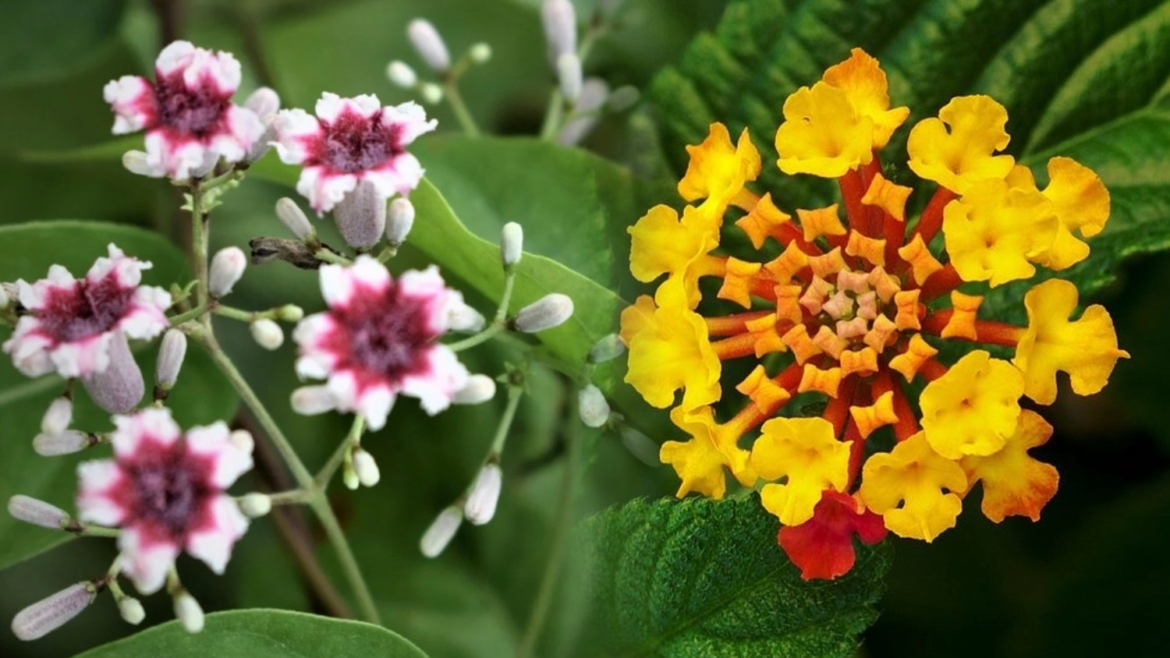
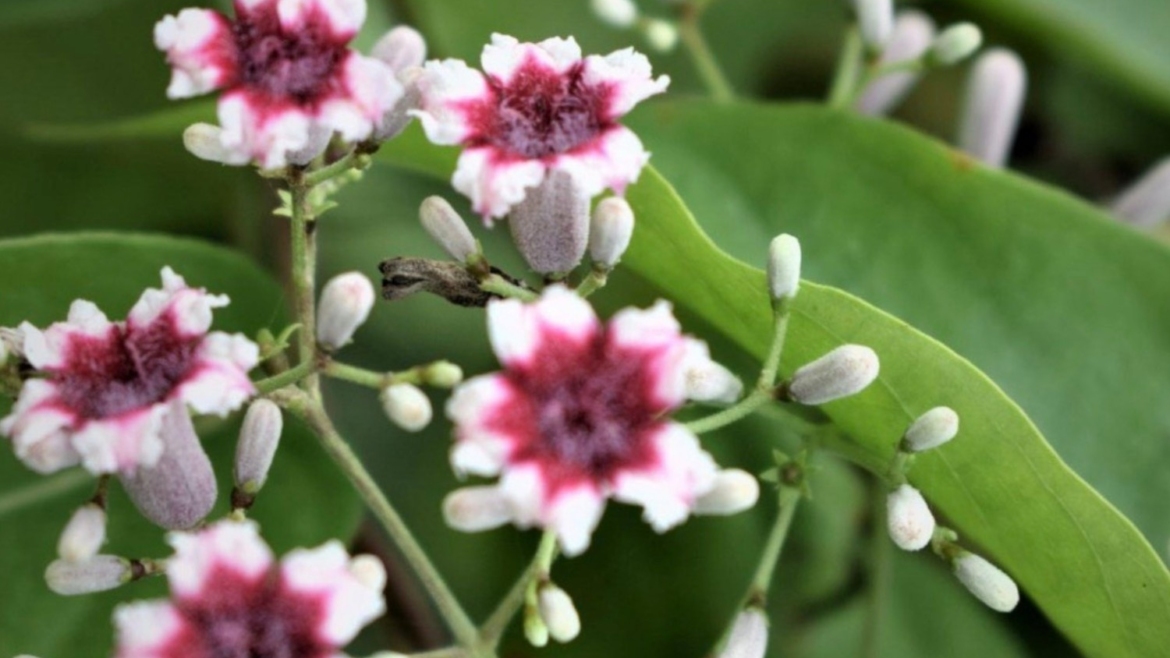
But this stink vine (Paederia foetida L.) is more than cheeky. It’s a powerhouse of health benefits and culinary versatility, foul smell be damned.
According to the UP Los Baños Makiling Botanic Gardens—which named it Plant of the Month for February—Kantutan’s different parts address different ailments.
The leaves can be boiled in water and applied to the abdomen for excess gas, urinary retention, urinary bladder stones, antirheumatic baths, and to lower fevers. They act as an astringent and treat diarrhea in children, scalds, burns, and even herpes. Young shoots can ease postpartum body pains, and a leaf paste mixed with other plants serves as an antidote for snake bites.
The bark can be boiled to induce vomiting in poisoning cases or to expel gas, while the roots can treat stomach cramps, spasms, liver inflammation, rheumatism, and gout. The fruit, meanwhile, can be used to blacken teeth and prevent toothaches.
Healing beyond the hype
And aligned with its titillating name, an August 2025 study suggested Kantutan may support sperm quality as a natural antioxidant.
Kantutan is yummy, too. In India, leaves are boiled and eaten with chili and salt. In Hainanese cuisine, they’re ground into flour and mixed with rice for noodles, made into soups, or added to other dishes. Even Food Network highlighted it as a key ingredient in a 2024 Lunar New Year recipe for Foo Keen Haang Yuan (Black Cake Rice Balls).
This February and beyond, Filipinos ought to have more Kantutan than usual.