The kapre has a darker origin than most Filipinos realize
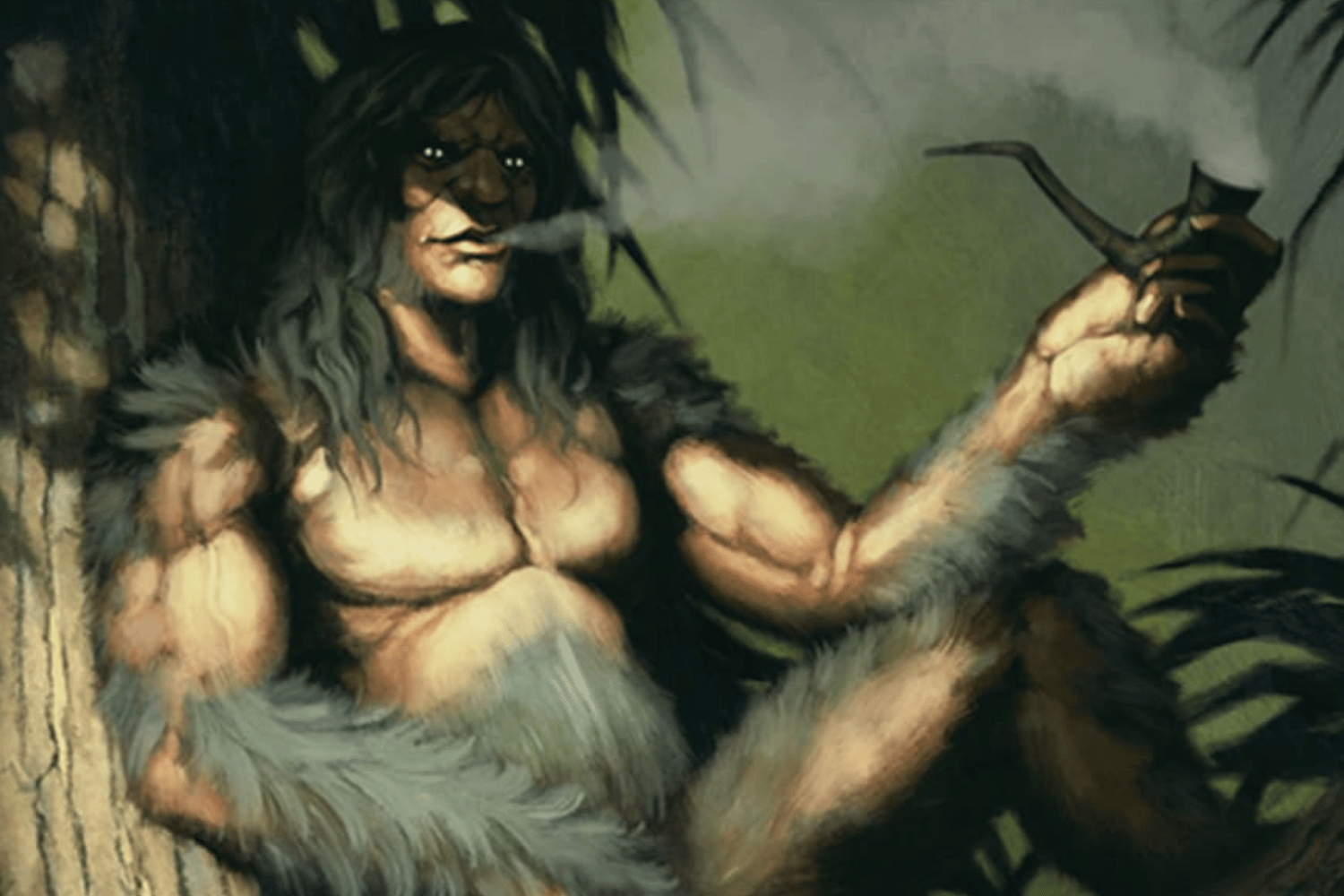
The kapre is a timeless reminder of unseen tree spirits and the mysterious scent of midnight tobacco.
You’re walking along a familiar road at night when you suddenly realize you’ve been passing the same houses and trees over and over. Somehow, you can’t find your way home.
According to an old Filipino superstition, a kapre might be playing tricks on you. The solution? Take off your shirt, turn it inside out, and wear it again to break the creature’s spell.
For generations, Filipinos have associated such mysterious experiences with the kapre, the towering, cigar-smoking giant believed to inhabit enormous trees.
But while the kapre has become one of the country’s most recognizable mythical creatures, few realize that its name and familiar appearance may have roots in the Spanish colonial period.
A name with colonial roots
The word “kapre” is commonly traced to the Arabic “kafir,” meaning nonbeliever, which entered Spanish as “cafre.”
During the colonial period, the Spanish term carried derogatory associations with people considered uncivilized or foreign, particularly dark-skinned populations.
Some folklore researchers suggest that these colonial descriptions eventually influenced the physical appearance and name of the Filipino kapre.
However, belief in supernatural beings inhabiting trees and forests existed in the archipelago long before Spanish colonization.
Indigenous communities already recognized spirits associated with nature, including powerful beings believed to inhabit ancient trees.
The modern kapre likely developed through the blending of these older beliefs with colonial-era imagery, although its precise historical evolution remains uncertain.
Its trademark cigar also points to colonial influence. Tobacco originated in the Americas and was introduced to the Philippines during Spanish rule, meaning the familiar image of a cigar-smoking giant could not have existed in exactly the same form before European contact.
The giant who lives in trees
The kapre is traditionally described as a muscular, hairy giant standing around seven to ten feet tall, with dark skin and an enormous cigar.
Unlike the flesh-eating aswang or manananggal, the kapre is not necessarily portrayed as evil.
Instead, he is frequently depicted as territorial, mischievous, and occasionally protective.
According to folklore, kapres inhabit enormous balete, acacia, and mango trees, particularly those standing in secluded areas.
People who suddenly become lost or find themselves walking in circles are sometimes said to have been tricked by a kapre.
Other stories describe kapres developing romantic attachments to human women, protecting them or leaving mysterious gifts.
These accounts vary across communities, reflecting the diversity of Philippine oral traditions.
From folklore to pop culture
The kapre eventually moved beyond rural storytelling and became a fixture of Philippine popular culture.
One famous urban legend concerns “Mr. Brown,” a supposed kapre associated with an old balete tree near Malacañang Palace.
Although sightings remain unverified, the story has circulated for generations.
The creature has also appeared in Filipino fantasy entertainment, including “Pedro Penduko” adaptations and the graphic novel and Netflix series “Trese,” where kapres are reimagined as powerful figures in Manila’s supernatural underworld.
International productions have also explored the creature, including the horror anthology “Bite Size Halloween.”
Why Filipinos still remember the kapre
Part of the kapre’s enduring appeal comes from his unmistakable appearance: a giant sitting in a tree, smoking an enormous cigar.
But his significance goes beyond frightening children.
Kapre stories reinforce traditional respect for nature, particularly the belief that ancient trees should not be disturbed carelessly.
The familiar expression “Tabi-tabi po,” used when passing places believed to be inhabited by spirits, reflects this broader cultural tradition.
Today, even as urban development replaces old trees and modern buildings dominate Philippine cities, the kapre remains deeply embedded in Filipino imagination.
He is a reminder of a time when enormous trees were believed to shelter unseen inhabitants—and when the smell of tobacco on a quiet night was enough to make someone look up.
READ:
The CIA once turned the Filipino aswang into a weapon of war
Top Dagohoy
July 26, 2026

Youth activist turns privatization into body horror in ‘Kanibal’
Kieth Earl Rebaño
August 9, 2026
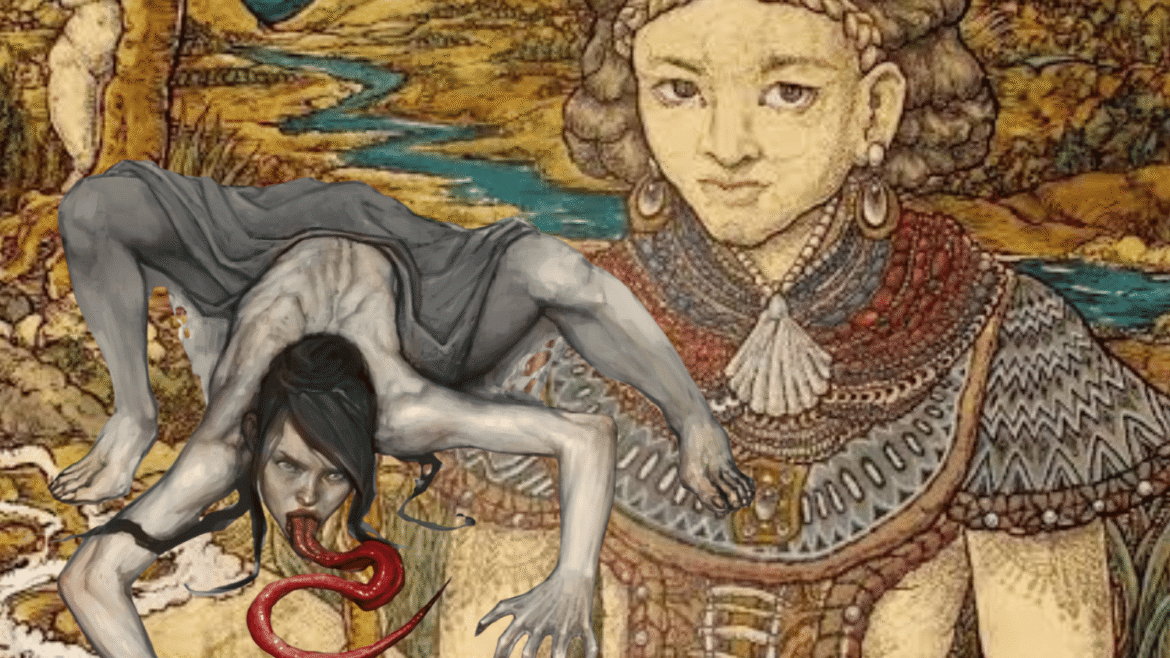
The Spanish used fear of the tiktik to demonize the babaylans
Top Dagohoy
August 9, 2026