From the purple-hued morado to the creamy blanco, this milk-fleshed fruit remains the ultimate symbol of a Philippine summer.
If there is one fruit that defines the sun-drenched afternoons of a Filipino childhood, it’s the kaimito. Commonly known as the star apple, this tropical fruit is a staple of backyards and roadsides across the country.
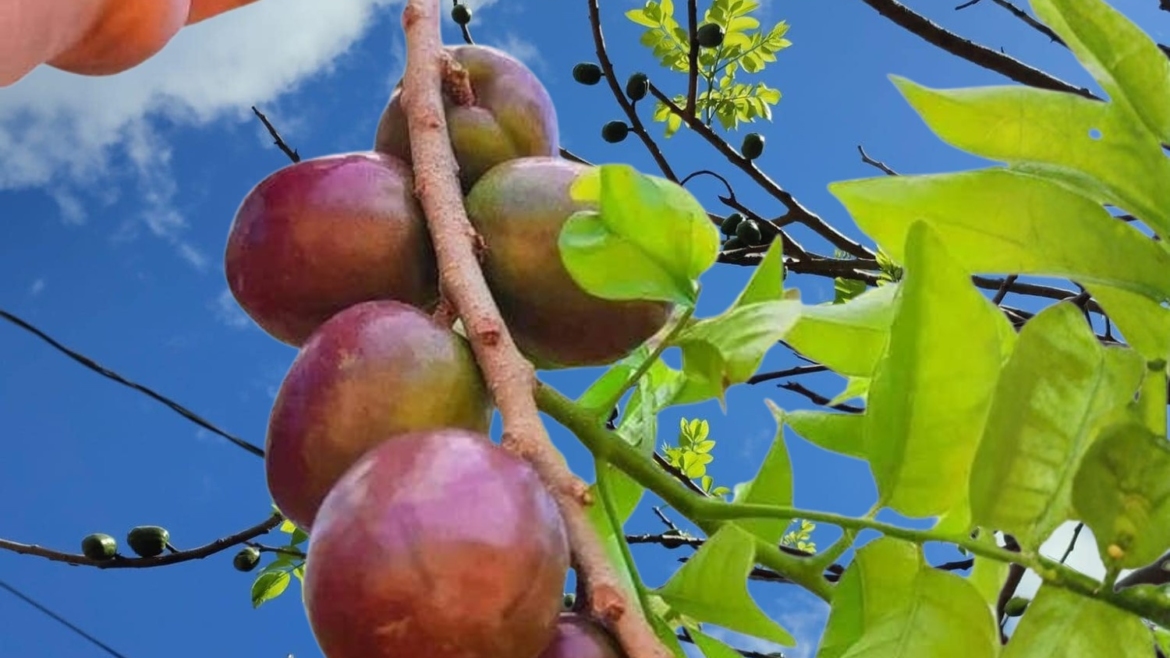
While it’s found throughout the lowlands, it is particularly in provinces like Pangasinan and Tarlac where trees become heavy with ripening fruit, signaling that the peak of summer has finally arrived.
Kaimito is more than just a seasonal snack, it’s a cultural symbol of abundance. A single tree can produce hundreds of fruits, turning a simple provincial backyard into a literal feast. For some, the sight of a kaimito tree brings back childhood memories—sticky fingers, climbing sturdy branches, and those long summer vacations spent lounging in the shade. It represents the quiet, generous prosperity of Philippine agricultural life.
A taste of milky sweetness
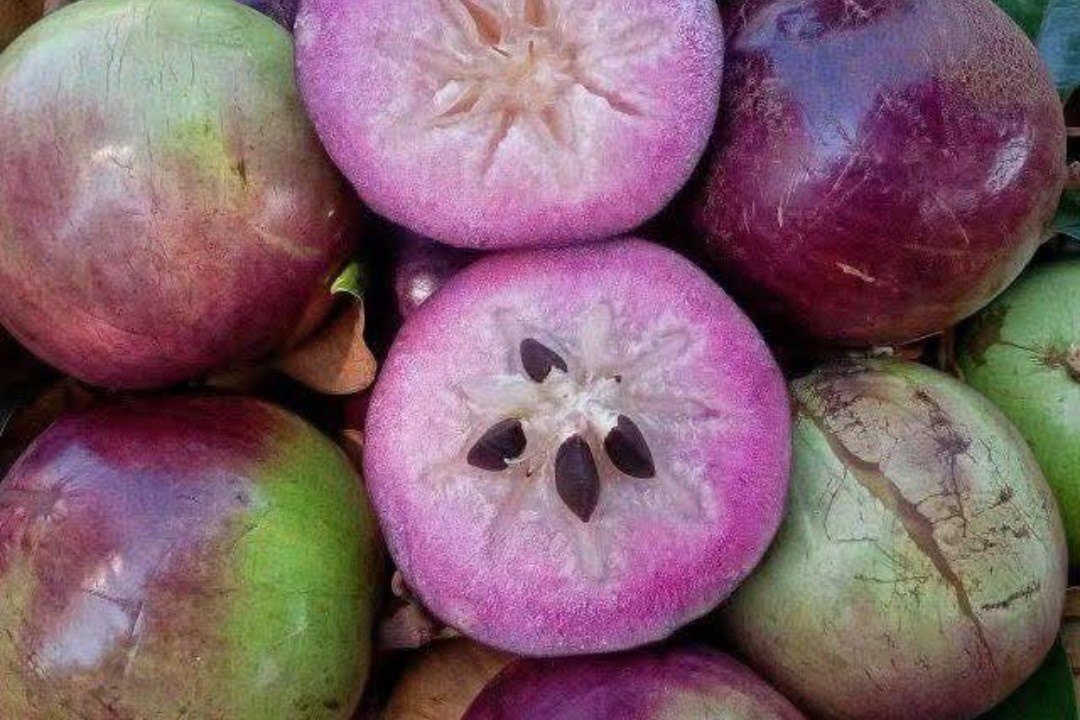
True to its name, the star apple reveals its beauty when sliced crosswise, showing off a perfectly symmetrical star pattern formed by its seeds. In the Philippines, there are two distinct varieties—the vibrant kaimito morado (purple) and the delicate kaimito blanco (white). Each offers its own subtle twist on that signature milky, sweet, jelly-like texture that locals have loved for generations.
The best way to enjoy it? Ice-cold. When chilled, the kaimito’s soft, extremely sweet flesh becomes a refreshing comfort against the heat. Whether you’re scooping it out with a spoon or enjoying it straight from the tree, every bite is a reminder of why the Philippine summer remains unforgettable.
Kaimito is a cultural symbol of abundance. A single tree can produce hundreds of fruits, turning a simple provincial backyard into a literal feast.
READ: