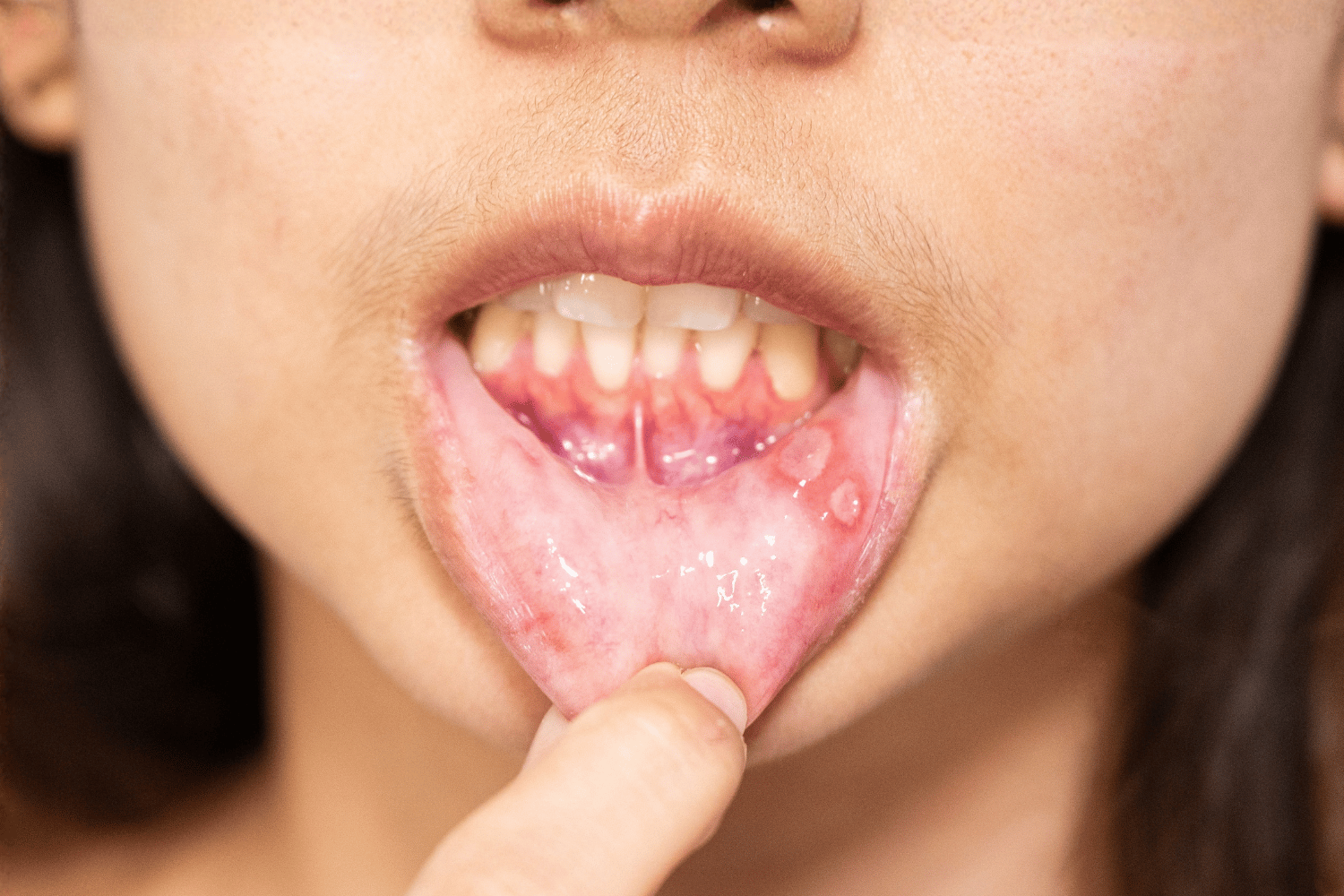
The best treatment for singaw is good oral care, proper nutrition, enough rest, and a little patience.
One tiny white sore inside your mouth can make an entire meal feel like torture. Every sip of juice stings. Every bite of crispy food feels like rubbing salt on an open wound. Even talking can become an exercise in endurance.
Almost every Filipino has experienced singaw at least once, yet many myths about it continue to circulate. Some blame “init ng katawan.” Others think it’s contagious or caused by a virus. The truth is far less mysterious—and understanding it can help you recover faster.
Medically known as an aphthous ulcer or canker sore, singaw is a small, shallow sore that develops on the soft tissues inside the mouth, including the inner lips, cheeks, tongue, or gums. While it can be extremely painful, it is not contagious and usually heals on its own within one to two weeks.
What really causes singaw?
Doctors say there isn’t a single cause behind singaw. Instead, several factors can trigger its appearance.
The most common culprit is minor injury inside the mouth. Accidentally biting your cheek, brushing too aggressively, or irritation from braces or ill-fitting dentures can damage the delicate lining of the mouth and lead to an ulcer.
Deficiencies in important nutrients such as vitamin B12, iron, zinc, and folate can also make the mouth more susceptible to sores.
Stress and lack of sleep are also frequent triggers. Long workdays, anxiety, and fatigue can weaken the body’s natural defenses, making singaw more likely to develop.
Certain foods and oral care products can make matters worse. Very spicy, sour, or acidic foods may irritate sensitive tissues, while some toothpastes containing sodium lauryl sulfate (SLS) have been linked to recurring mouth ulcers in susceptible individuals.
For some women, hormonal changes during menstruation can also trigger outbreaks.
Meanwhile, people who repeatedly develop large or numerous mouth ulcers may have an underlying medical condition such as celiac disease, Crohn’s disease, lupus, or another immune-related disorder that requires medical evaluation.
How to make it heal faster?
Although singaw usually disappears without treatment, there are several ways to reduce the pain and help speed up healing.
A warm saltwater rinse remains one of the simplest and most effective home remedies. Mixing half a teaspoon of salt into a glass of warm water and rinsing for about 30 seconds can help reduce irritation.
Some people also find relief by applying a paste made from baking soda and water directly onto the sore to neutralize acids inside the mouth.
While waiting for the ulcer to heal, it helps to avoid spicy, salty, sour, crunchy, or acidic foods that can aggravate the wound. Softer, cooler foods are generally less painful to eat.
Switching to an SLS-free toothpaste and using a soft-bristled toothbrush may also reduce irritation, especially for people who frequently develop singaw.
For more severe pain, pharmacies sell medicated gels or liquids containing numbing ingredients such as benzocaine or lidocaine. Dentists may also prescribe steroid pastes or medicated mouth rinses to reduce inflammation in stubborn cases.
One important reminder: ordinary singaw is neither a fungal nor viral infection. Using antifungal medicines or antiviral creams without a doctor’s diagnosis will not make a typical canker sore heal faster.
When you should see a doctor
Most cases are harmless, but there are times when singaw deserves medical attention.
If the sore refuses to heal after two to three weeks, grows unusually large, becomes extremely painful, or is accompanied by fever, swollen lymph nodes, or other symptoms of illness, it’s time to consult a doctor or dentist.
Persistent mouth ulcers should never be ignored because, in rare cases, a non-healing sore may signal a more serious condition, including oral cancer.
The next time singaw strikes, remember that the best treatment isn’t an old wives’ tale or a miracle cure. Often, it’s simply good oral care, proper nutrition, enough rest, and a little patience while your body does the healing.
READ:
Chikungunya is back!
Top Dagohoy
July 11, 2026
Six reasons why the smelly durian is actually good for your health
Top Dagohoy
August 5, 2026
WARNING: Poppers are showing up in pop culture — but are they as harmless as they seem?
Top Dagohoy
July 23, 2026