The technology presents the potential that industries could recover some of the pollutants and put them back to work.
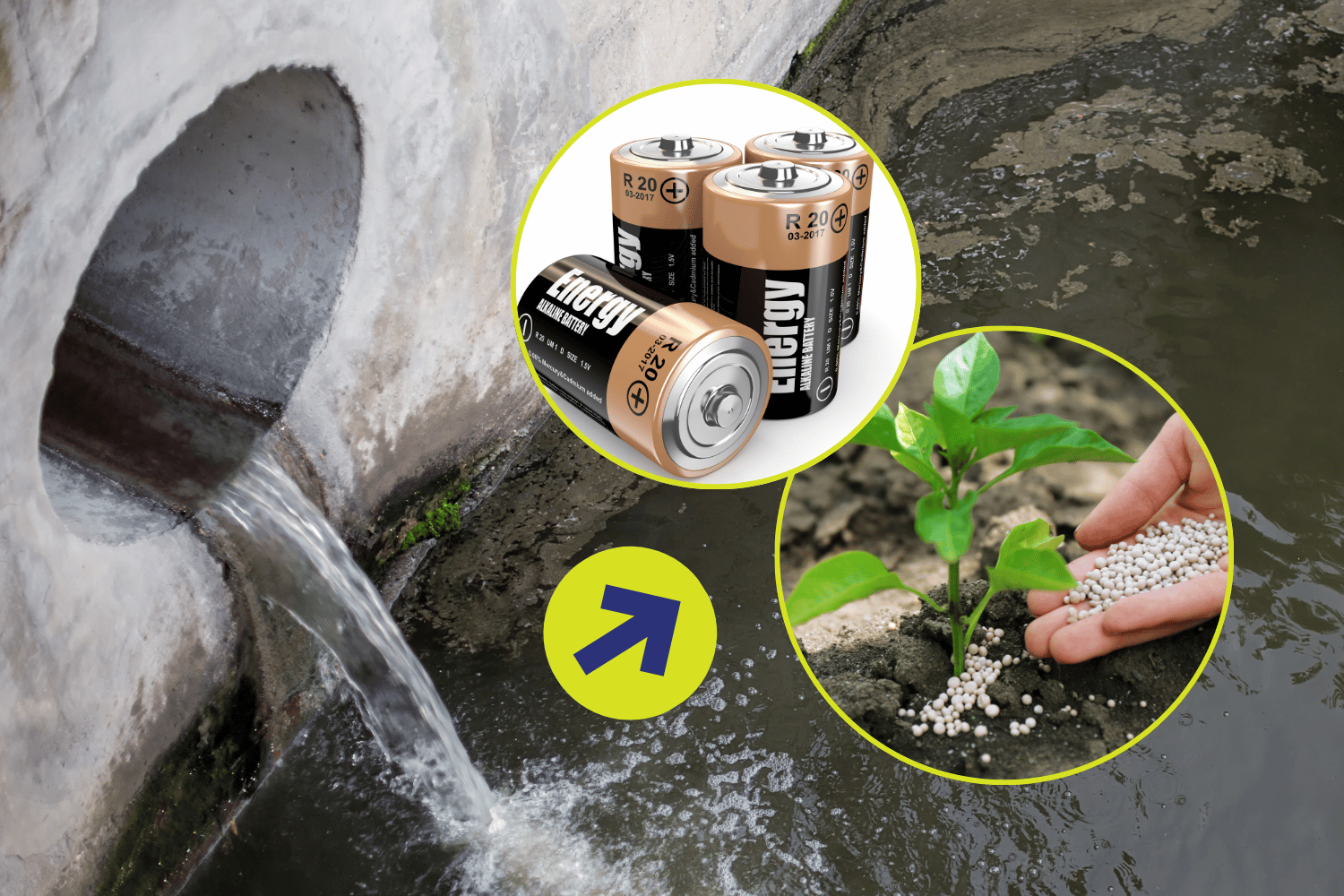
Wastewater from mines, farms and factories is usually something industries pay to clean up and dispose of. But researchers are studying a technology that could recover some of those pollutants and transform them into fertilizer, battery materials and industrial chemicals.
Researchers from the University of the Philippines Diliman and their international collaborators reviewed a technology designed to simultaneously clean wastewater and recover potentially valuable materials from it.
The study, “Transforming wastewater into resources: A review of Fluidized-Bed Homogeneous Crystallization for sustainable treatment and recovery,” examines the Fluidized-Bed Homogeneous Crystallization Process or FBHCP.
The work received an International Publication Award from the UP Office of the Vice President for Academic Affairs.
The study was authored by Victor E. Valderama Jr. and Florencio C. Ballesteros Jr. of the National Graduate School of Engineering, UP Diliman College of Engineering; Sergi Garcia-Segura of Arizona State University’s Nanosystems Engineering Research Center for Nanotechnology-Enabled Water Treatment; and Ming-Chun Lu of National Chung Hsing University in Taiwan.
Industries such as electroplating, mining and agriculture can generate wastewater containing potentially harmful metals and excess nutrients. Conventional treatment can remove these contaminants, but often produces large quantities of toxic sludge that must then be handled and disposed of.
FBHCP takes a different approach.
The process carefully controls chemical reactions so pollutants form solid crystals suspended in water. These crystals grow into granules that can be separated and potentially reused instead of simply being discarded.
Depending on what is recovered, the resulting materials could be used for fertilizers, batteries and industrial chemicals.
The researchers examined 40 studies and found that FBHCP could remove more than 90 percent of pollutants such as copper, nickel, phosphate and oxalate while producing considerably less sludge than traditional treatment methods.
The potential savings could also be substantial. According to the review, waste-disposal costs could fall from nearly US$9 to below US$2 per cubic meter of wastewater.
The technology fits into the concept of a circular economy, where materials traditionally considered waste are recovered and returned to productive use.
Researchers said FBHCP could contribute to United Nations Sustainable Development Goal 6 on clean water and sanitation and Goal 12 on responsible consumption and production.
The study is significant because it provides what the researchers describe as the first comprehensive review of FBHCP as both a wastewater-treatment and resource-recovery technology.
More research is still necessary before it can be deployed widely in industries. Among the next steps identified are testing under actual industrial conditions, conducting large-scale pilot validation and exploring real-time monitoring and machine learning to improve the process.
But the technology presents a compelling possibility: instead of spending money simply to remove and dispose of pollutants, industries could potentially recover some of them and put them back to work.
What once ended up as toxic sludge could eventually become something useful again.
READ:
Malunggay leaves can generate electricity, laboratory tests show
radar Lifestyle
June 19, 2026
Atis helps lower blood pressure, research says
Top Dagohoy
August 6, 2026

AI and data science emerge as key humanitarian aid for PH
John Lloyd Aleta
December 11, 2025
Tags: Arizona State UniversityeconomyFBHCPFlorencio C. Ballesteros Jr.Ming-Chun LuNanosystems Engineering Research Center for Nanotechnology-Enabled Water TreatmentNational Chung Hsing UniversityNational Graduate School of EngineeringresourcesSergi Garcia-SegurasustainabilityUnited Nationsuniversity of the philippinesUP DilimanUP Diliman College of EngineeringUP Office of the Vice President for Academic AffairsVictor E. Valderama Jr.Waste Management