Researchers upgrade the iconic ube to meet a massive surge in international demand.
The Philippines’ beloved ube may soon get a major upgrade.
Researchers from the University of the Philippines Los Baños (UPLB) are intensifying efforts to develop superior varieties of the iconic purple yam, aiming to boost yields, improve nutritional value, and strengthen the country’s position in a booming global market increasingly obsessed with all things ube.
Scientists from the Institute of Crop Science (ICropS) of the UP Los Baños College of Agriculture and Food Science, in collaboration with the Philippine Genome Center for Agriculture (PGC), are undertaking an ambitious breeding and genomics program to produce improved purple yam varieties with deeper violet flesh, higher antioxidant content, better disease resistance, and greater productivity.
The project is led by Dr. Antonio G. Lalusin, who said the initiative combines traditional crop breeding with advanced biotechnology tools such as chemical mutation breeding and whole-genome sequencing.
Their work comes at a crucial time for the industry.
Once regarded primarily as an ingredient for local delicacies such as halaya, ice cream, and pastries, ube has evolved into a global food phenomenon. In recent years, the vibrant purple crop has become a staple in specialty cafés, bakeries, dessert chains, and health food products across North America, Europe, Australia, and parts of Asia. Ube-flavored cakes, lattes, doughnuts, cookies, and frozen treats have gained a cult following among consumers drawn to both its distinctive flavor and eye-catching color.
The surge in popularity has translated into growing demand for Philippine-grown ube and ube-based products, creating opportunities for farmers and food processors. However, researchers note that production remains constrained by limited supplies of high-quality planting materials and the continued use of traditional, lower-yielding varieties.
“Purple yam is a high-value crop with strong market demand locally and internationally. However, production is still limited due to the scarcity of improved planting materials,” the research team said.
To address these challenges, scientists evaluated 188 ube accessions collected from different parts of the country. Through morphological and molecular analyses, they identified promising lines with desirable traits including deep purple flesh, attractive tuber shape, superior yield performance, and elevated anthocyanin content—the compounds responsible for the crop’s rich color and antioxidant properties.
Several elite accessions are now being further improved through advanced breeding techniques, while select varieties, including the widely cultivated Kinampay, are undergoing whole-genome sequencing to accelerate the identification of valuable genetic traits.
Beyond developing new varieties, the project also focuses on mass propagation to ensure that improved planting materials can quickly reach farmers. Researchers are multiplying elite lines through vegetative propagation techniques to support future varietal releases and large-scale cultivation.
The initiative, funded by the Department of Agriculture-Bureau of Agricultural Research (DA-BAR), is expected to benefit not only farmers but also food manufacturers, exporters, researchers, and entrepreneurs seeking to capitalize on the growing demand for ube-based products.
For an industry built around one of the Philippines’ most recognizable crops, the development of higher-yielding and more nutritious varieties could be a game changer.
If successful, the project may help secure the country’s reputation as the world’s premier source of ube while ensuring that Filipino farmers reap more of the benefits from a crop that has become one of the nation’s most successful culinary exports.
READ:
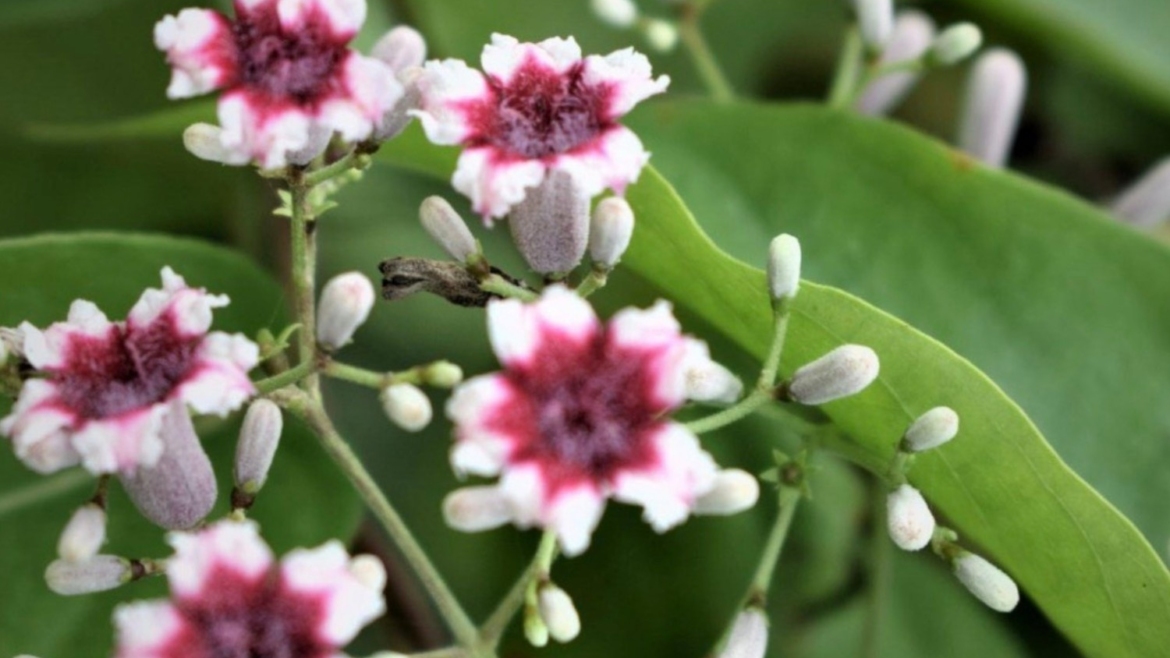
UPLB names ‘Kantutan’ as Plant of the Month, gives netizens a reason to giggle
radar Lifestyle
February 16, 2026
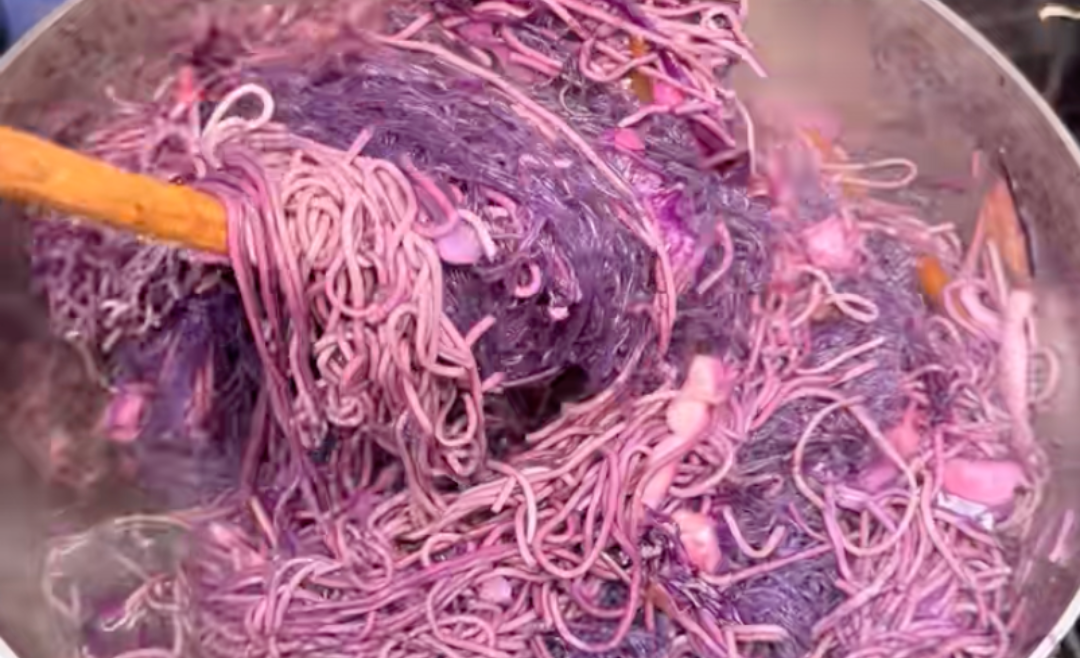
The ube trend is exploiting the local flavor
radar Lifestyle
April 10, 2026
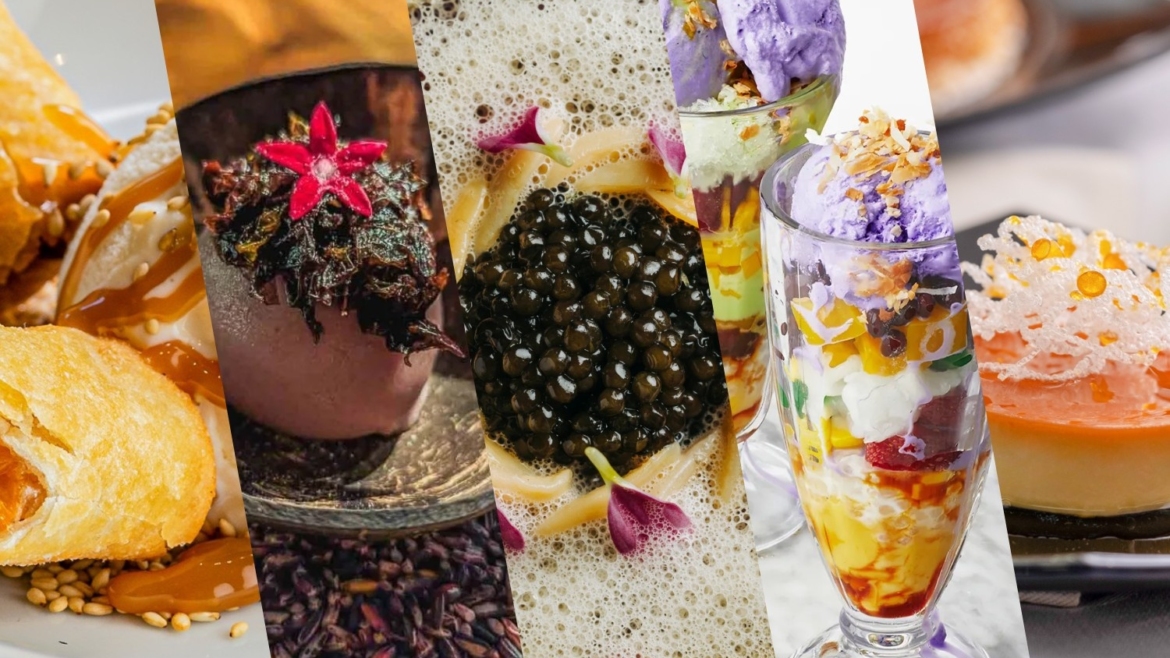
The Michelin guide’s 5 must-try Filipino desserts: From “dirty ice cream” to caviar-topped ube
Nikko Miguel Garcia
April 10, 2026