HABI Market Fair 2026 puts the spotlight on stories behind Filipino fabrics.
Philippine weaving is getting a fresh spotlight as local artisans and textile advocates work to keep centuries-old techniques from becoming museum pieces.
The craft will be featured at the 16th Likhang HABI Market Fair in October, but organizers are also using the event to put a face—and a story—behind the textiles people see and buy.
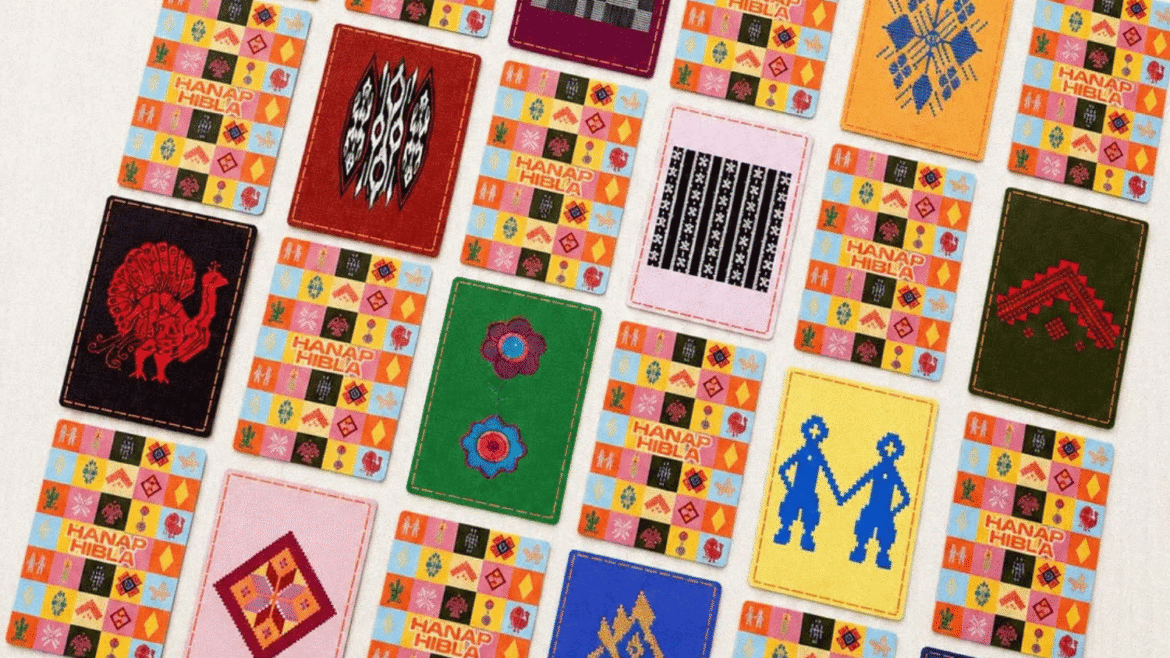
Weaving traditions differ across the country, with communities using their own fibers, patterns, colors, and techniques handed down from one generation to the next.
And making these textiles can be anything but quick. Some pieces take days or longer to produce, depending on the material and the process involved.
Piña, for example, requires fibers to be extracted from pineapple leaves before they can be prepared and woven into fabric, while abaca goes through its own process before becoming a usable textile.
Even after the weaving is done, the work may continue through dyeing, embroidery, and other forms of hand finishing.
That helps explain why locally made textiles can cost more than mass-produced fabrics, but organizers say the price should also reflect the time, skill, and labor of the people who make them.
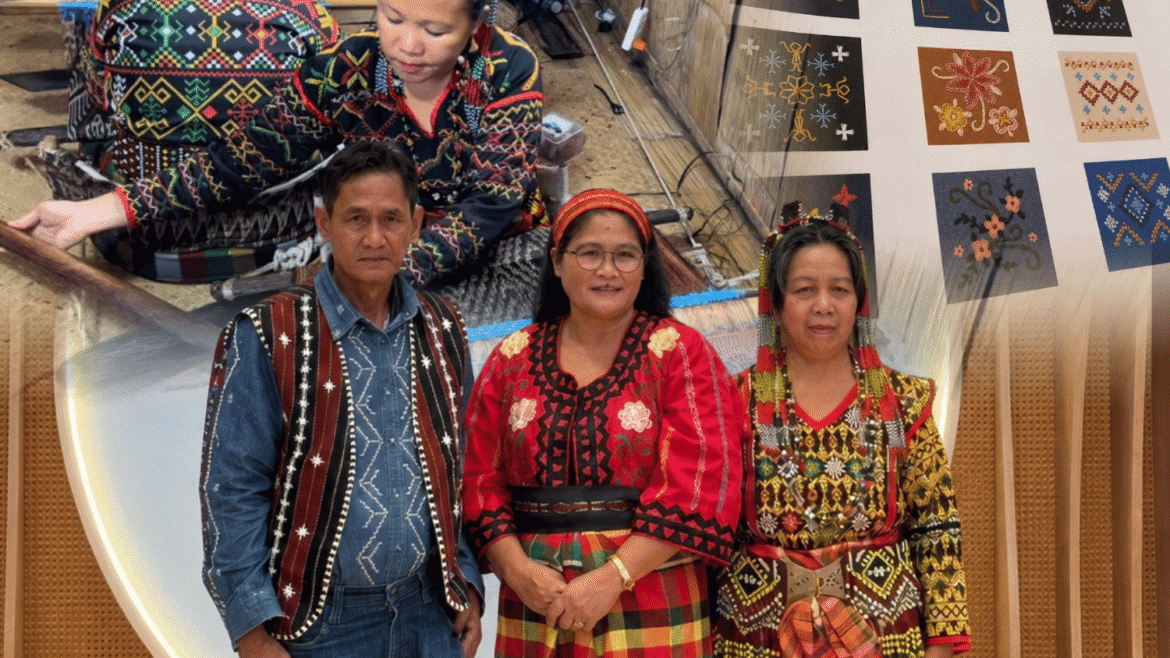
The fair will introduce a feature that identifies the materials used in each piece and, where possible, the people or communities that produced them.
The move aims to give more recognition to weavers, whose work can often become invisible by the time a finished textile reaches the market.
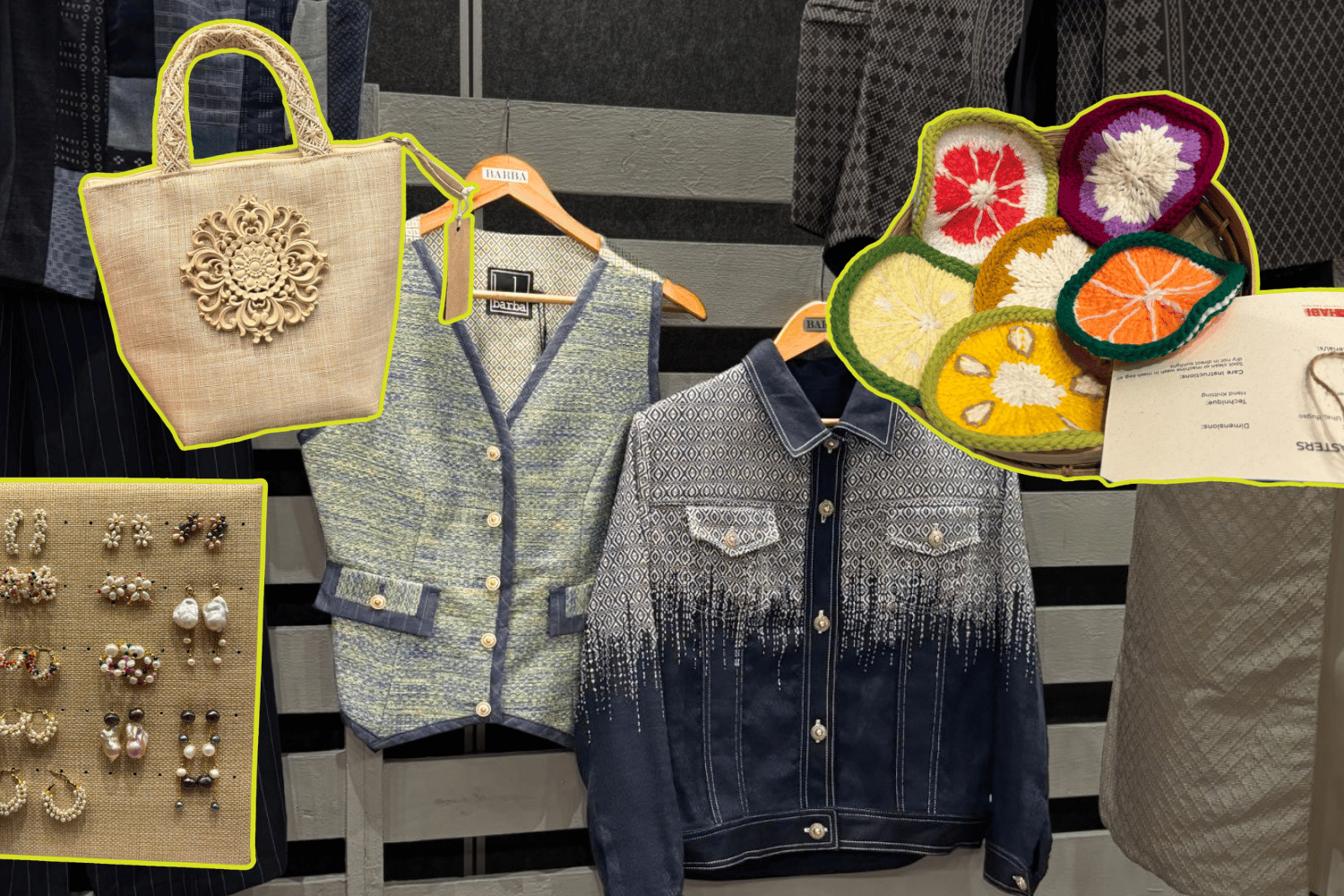
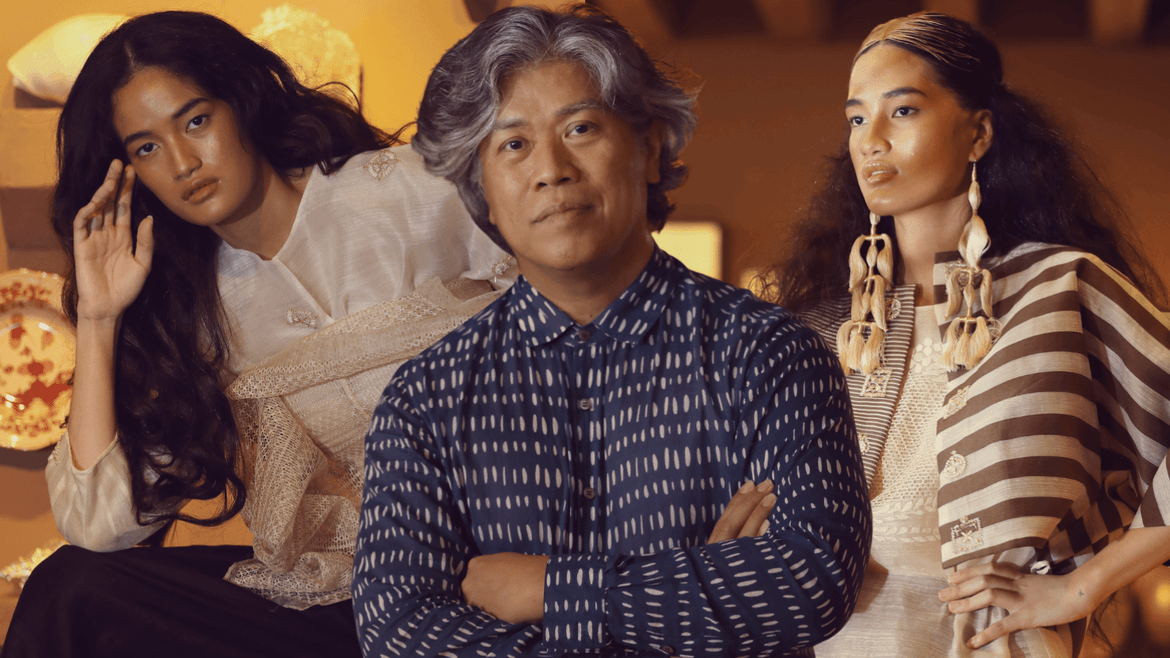
It is also a way of showing that Philippine textiles are not confined to traditional attire. Local designers and makers are using indigenous fabrics in contemporary clothing, accessories, and other products, giving old techniques a place in modern fashion.
The 16th Likhang HABI Market Fair will feature more than 80 exhibitors from October 9 to 11 at SPACE One Ayala in Makati, alongside weaving competitions, textile exhibits, talks, and documentary screenings.
The event will also feature vintage Filipino fashion pieces made with traditional textiles, giving visitors a look at how materials such as piña and abaca have shaped Philippine fashion over the years—and how they continue to be used today.
READ: