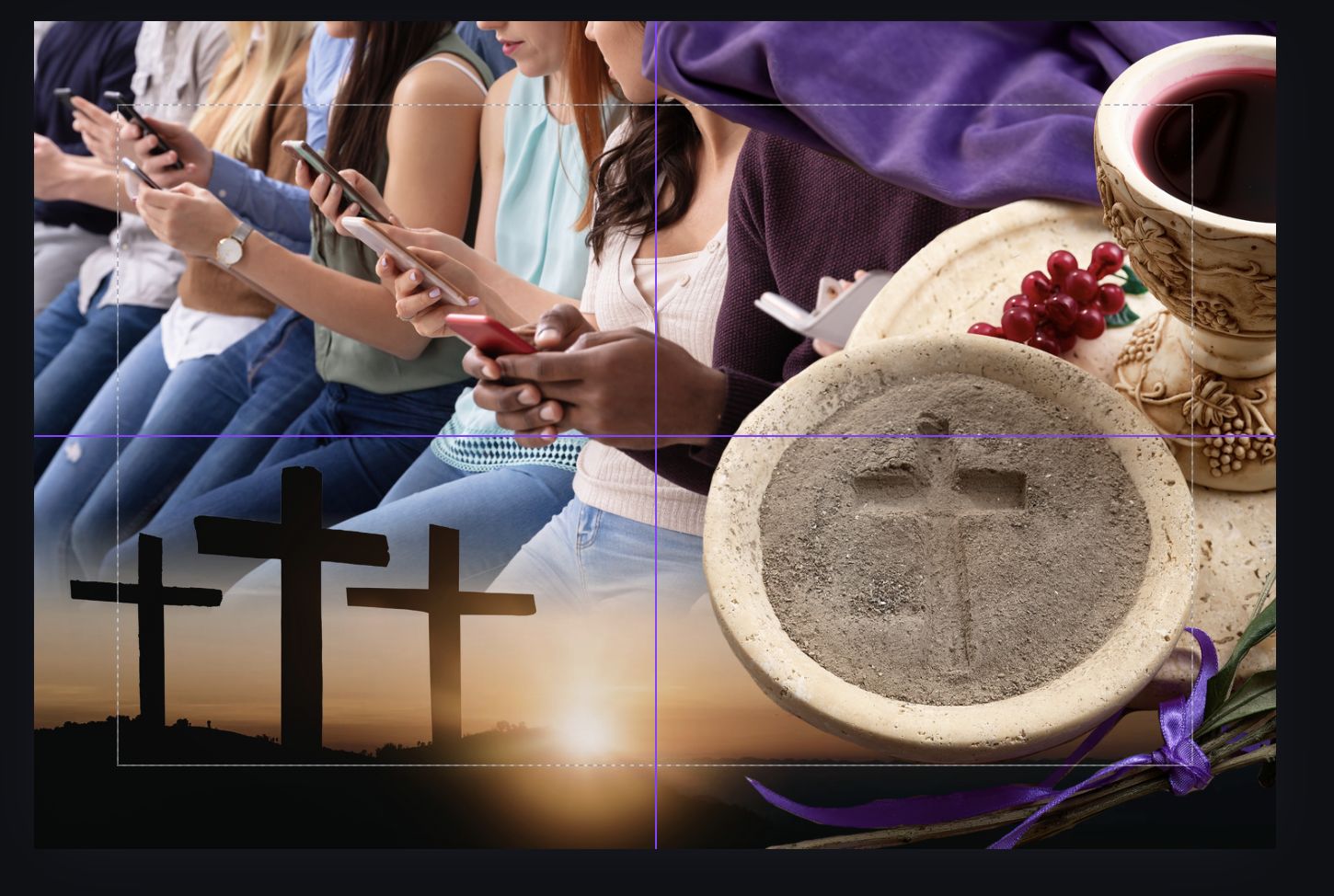
The CBCP’s call for digital fasting confronts a nation drowning in screens.
The Catholic Bishops Conference of the Philippines (CBCP) has urged Filipino Catholics to practice digital-media fasting this Lent as a modern form of conversion.
While traditional fasting focuses on food, bishops explain that excessive screen use distracts from prayer, relationships, and awareness of God. “In our present time, fasting must also address the new realities shaping human life,” the CBCP pastoral letter declares. “One of the greatest influences today is digital media. Thus, we invite the faithful to undertake a Digital Media Fasting as a contemporary expression of conversion and renewal.”
Digital fasting, the bishops add, encourages silence, reflection, and meaningful encounters. The faithful are invited to limit social media, avoid phones at key moments, and replace screen time with prayer, Scripture, service, and real human connection for deeper spiritual renewal.
The bishops’ appeal lands in a country that has long been the world’s poster child for digital excess. Filipinos spend up to 10 hours online daily, nearly four of them on social media. Streaming has surged as well, with most households juggling multiple platforms. Holy Week, once marked by quiet streets and religious programming, now competes with K‑dramas, reality TV fluff, and endless online entertainment. The algorithm does not observe Lent.
Whether digital fasting will work is, however, doubtful. It must be pointed out that the CBCP seems to recommend digital fasting as a substitute for food fasting: “Fasting has traditionally meant abstaining from food as an act of repentance and spiritual focus,” the CBCP says. “Yet fasting also means detaching from whatever distracts our hearts from God.”
And there lies the rub. For millions of Filipino Catholics, fasting and abstinence are honored more in the breach than in the compliance.
A history of breaching the fast from Magellan to the Bula
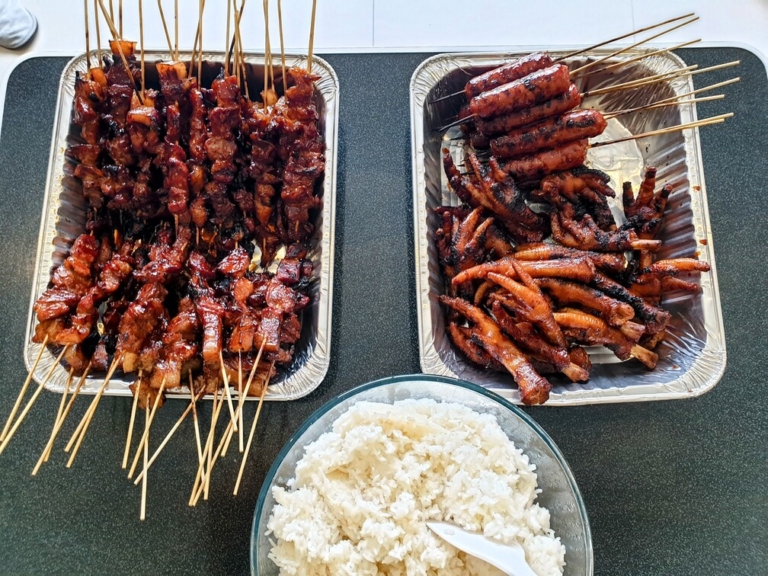
When Magellan reached the Philippines in 1521, the expedition’s Italian chronicler, Antonio Pigafetta, spent Good Friday (March 29) with Rajah Colambu of Mazaua (Limasawa) and broke the rule of fasting and abstinence. Pork and wine were served at both meals. “I ate meat on Good Friday, for I could not do otherwise,” he wrote in his account of The First Voyage Around the World.
This episode foreshadowed a broader pattern in the evangelization of the islands. Unlike in Europe, Filipinos did not consistently observe Friday fasting and abstinence throughout much of the colonial period, a practice that persisted into the late 20th century. The reason lay in a papal dispensation granted to Spanish territories through the Bula de la Santa Cruzada (Bull of the Holy Crusade).
Originally issued in 1089 by Pope Urban II to Spanish nobles in recognition of their role in the Crusades, this privilege was later extended to Spain’s colonies. Following the Battle of Lepanto in 1571, Pope Pius V formalized the concession through the Indulto de las carnes, permitting the consumption of meat even on days of abstinence.